
Psychologist Ties Screen Addiction to Co-Occurring Disorders
Published September 3, 2026
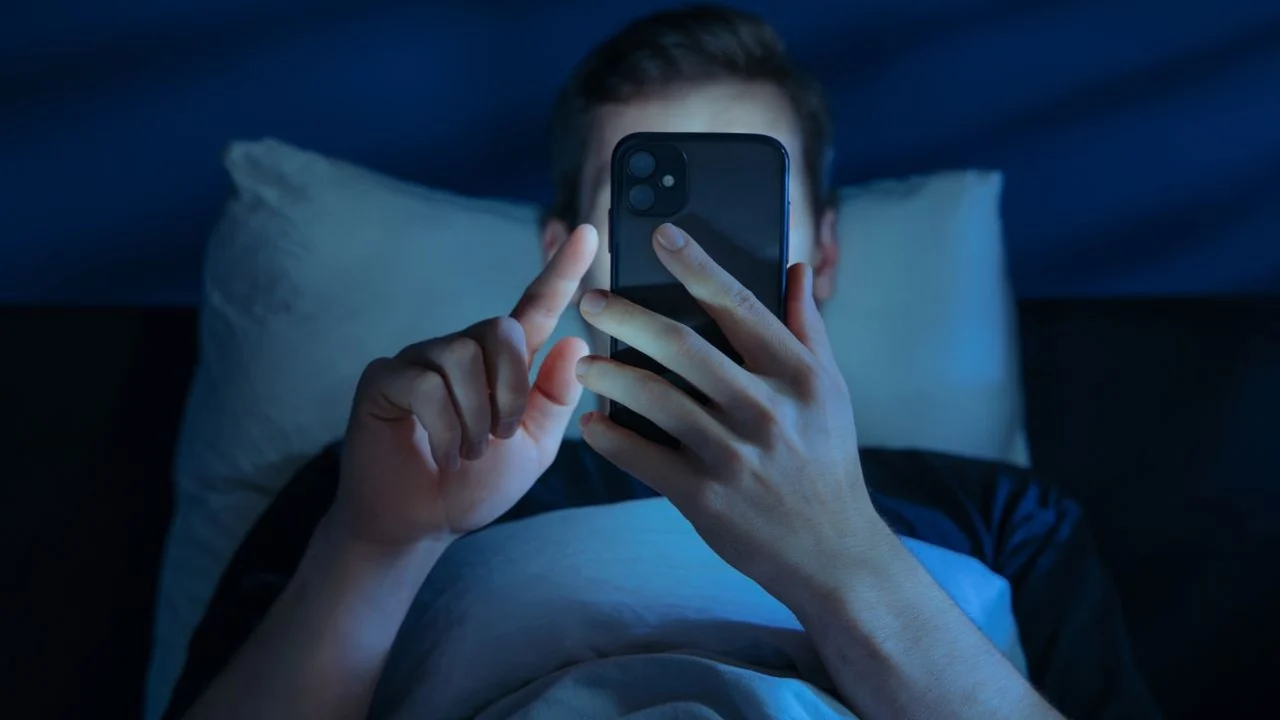
The most useful claim in the current debate over phone addiction isn’t that screens are addictive. Rather, screen compulsion usually sits on top of other conditions and treating both is key. That’s the argument from Dr. Nicholas Kardaras, a psychologist who has treated more than 1,000 teens and young adults for technology addiction over 15 years.
Families looking at behavioral health options can see that phone addiction ties right with co-occurring disorders.
Screen Compulsion Fits Clinically
Kardaras places tech addiction alongside gambling, sex and compulsive shopping. Those can be harder to break than substance dependencies.
Kardars looks at certain questions. He asks, is the behavior harming the person’s life across relationships, physical health, mental health, work or school? Does the person keep doing it anyway? If the answer is yes to both, screen addiction might be the case.
He points out that behavioral and drug addictions affect the same mesolimbic dopamine pathways. Several small brain regions in people with addictive internet use can shrink by up to 20%. This includes parts of the prefrontal cortex tied to decision-making and impulse control.
A later review reported reduced gray matter in frontal regions among people with internet and gaming disorders.
Keep in mind that those are correlational findings among folks who are already using their phones heavily. They don’t establish that screens caused the differences. The research community also remains divided on how much screen addictions play a part in young people’s mental health conditions.
Mental Health and Addiction Connects
Kardaras pointed to why restriction fails. Screen time limits and app timers often don’t work because they address the behavior rather than the reason for it.
Instead, he points to your underlying wellbeing. Someone with anxiety or depression is far more susceptible to the pull of the screen or harmful content displayed. So the better fix involves building a fuller life offline like spending time outdoors, real relationships and hobbies that reward attention.
That’s a description of co-occurring disorders in plain language. Compulsive behavior and a mood or anxiety condition are present so treating only one tends to produce short-lived gains.
Dual diagnosis treatment addresses both together with one clinical team and plan in place rather than sequencing them.
Integrated care matters because the two conditions feed each other. Untreated anxiety drives the behavior that provides short-term relief and vice versa. Treating only the compulsion leaves the driver in place. Treating only the anxiety leaves a habit strong enough to undo the progress.
Know Warning Signs
Kardaras names two everyday signals. Dysregulation shows up as emotional reactivity and anxiety when the device is out of reach, including a wave of distress over a dying battery or a forgotten phone. Compulsion shows up as reaching for the phone mid-conversation or at dinner without deciding to.
The anxiety of being without a phone has a name, nomophobia. A systematic review and meta-analysis covering nearly 50,000 people found roughly half showed moderate symptoms and about a fifth showed severe symptoms.
Kardaras advises parents to watch three things for their kids. Look for signs of dependency, sleep disorders and emotional dysregulation. He considers younger users vulnerable because their brains are still in development.
Sleep is affected directly by screens. Blue light suppresses melatonin and shifts circadian rhythms to delay and degrade sleep. Poor sleep worsens mood and attention and can lead to sleeping pills and tightens the loop.
Treatment Approaches That Address Both
Care happens at differ ent intensities. Outpatient therapy suits people who are functioning at work or school. Residential treatment centers are for a young person whose co-occurring conditions are severe enough to need daily clinical help.
You Can Start Now
Folks looking into starting a program can ask if it screens for behavioral addictions and mood disorders together, whether one clinical team does both and which evidence-based therapies they use. Ask how family involvement works if the patient is a teen.
Our online directory lists mental health treatment facilities and dual diagnosis treatment programs by state. There are residential and outpatient facilities that treat multiple conditions together.
You can also dial 800-908-4823 (Sponsored) to speak with an expert and explore local options.
Author

Quentin Blount
Read Bio
Quentin brings nearly a decade of experience as a writer, editor, and digital publisher to his role as Content Manager for Rehab.com. He aims to help people better understand their treatment options by creating engaging and informative content that is user-friendly, factually accurate, and optimized for search engine visibility. In his free time, Quentin enjoys the company of his friends, family, and his dog, Coop.
Editor

Peter Lee, PhD
Read Bio
Peter W.Y. Lee is a writer and historian of American history during the Cold War. His primary focus is the relationship between youth and popular culture and its impact on U.S. society during the twentieth century. He has published widely on how the public has used popular culture as a mechanism to address political and social shifts throughout time
Articles About Alcohol & Treatment

Postpartum Depression Linked to Nearly Triple Infant Death Risk
Postpartum Depression Linked to Nearly Triple Infant Death Risk Published September 3, 2026 Families searching for mental health treatment facilities after a birth are usually told that postpartum depression is common, treatable, and a maternal concern. A new study suggests a positive screen also marks an infant at elevated risk. But researchers and outside experts…
Psychologist Ties Screen Addiction to Co-Occurring Disorders
Psychologist Ties Screen Addiction to Co-Occurring Disorders Published September 3, 2026 The most useful claim in the current debate over phone addiction isn’t that screens are addictive. Rather, screen compulsion usually sits on top of other conditions and treating both is key. That’s the argument from Dr. Nicholas Kardaras, a psychologist who has treated more…
Night Owls Report More Mental Health Symptoms Than Early Birds
Night Owls Report More Mental Health Symptoms Than Early Birds Published September 2, 2026 People who stay up late and struggle to switch off after work report more anxiety and depression symptoms than people who wake early, according to one study. The finding points out that sleep timing and mood problems tend to travel together.…
Browse Treatment Centers by State
-
 California
Sober Partners Network
3419 Via Lido, Newport Beach, CA 92663
Treatment Programs
- Alcohol Rehab
- Dual Diagnosis
- Opioid Addiction
- +5
-
 Minnesota
Addiction Recovery Technology
201 Park Row, Saint Peter, MN 56082
Treatment Programs
- Dual Diagnosis
- Young Adult Rehab
- Adult Program
- +4
-
 Texas
TexasTexas Tech University Health Sciences Center
3601 4Th Street Lubbock, Texas 79430
Treatment Programs
- Alcohol Rehab
- Dual Diagnosis
- Opioid Addiction
- +4
-
 Texas
TexasDrug Screens RPS
1010 Pasadena Boulevard Pasadena, Texas 77506
Treatment Programs
- Drug Rehab
- +-2