
Study Links Sports Betting to Mental Health Risks in College Students
Published July 13, 2026

A new study is adding to a growing body of research showing that gambling addiction and mental health conditions frequently occur together. The study specifically zeroed in on sports betting among college students, many of whom use social media to place bets. Researchers surveyed 150 undergraduate students at the University of Benin and found that gambling linked to measurably worse mental health outcomes.
Gambling and Mental Health
Researchers Drs. Edith Omorionmwen Omogbai and Gloria Esiekpe Osagie-Obazee surveyed 150 randomly selected full-time undergraduate students and found that 39.33% reported gambling in some form, a rate described as “moderately high.” Sports betting was the most common, scoring 44% of gambling students, followed by card games at 25%, dice at 22%, lotteries at 16%, and casinos at 14%.
Students who showed signs of gambling addiction reported significantly higher rates of mental health disorders like stress, emotional instability, depression-like symptoms and poorer academic outcomes than their non-gambling peers. The researchers suggest gambling measurably affects students’ psychological health that worsens existing mental health conditions. However, they don’t establish that gambling directly causes these conditions.
This pattern mirrors what treatment providers see clinically. Behavioral addictions like gambling rarely occur in isolation from mental health symptoms. A person who compulsively bets on sports may also have trouble with mental health or even drugs, which can drive and worsens their gambling behavior.
The researchers noted that college students may be especially drawn to sports betting because familiarity with the games creates a false sense of having an edge when placing wagers. The accessibility of mobile betting apps and social media—which also fuels emotional withdrawal—combines with the financial independence that comes with college life to create conditions where gambling behavior escalates before family, friends or academic advisors recognize a problem and try to intervene.
Treating Co-Occurring Disorders
Co-occurring disorders, sometimes called dual diagnosis, describe the presence of both a substance use or behavioral addiction and a mental health condition at the same time. Effective treatment typically addresses both conditions together rather than treating one and hoping the other resolves on its own.
For gambling addiction specifically, this means combining behavioral therapy targeting compulsive betting patterns with care for any accompanying depression or other mental health symptoms.
College students remain especially vulnerable due to the lack of resources available on campus. The research team recommended that universities add gambling awareness programs to student orientation and provide specialized training for campus counselors to identify and address gambling addiction. For students or families noticing these patterns, treatment options include:
- Outpatient or residential programs that treat gambling addiction alongside any anxiety or depression
- Cognitive behavioral therapy (CBT) targeting the thought patterns behind compulsive betting
- Campus counseling services with training in behavioral addiction in virtual or in-person options
- Family therapy to address financial and relational strain caused by gambling losses
Comprehensive Treatment for All Addictions
Facilities that treat depression and any type of addiction together, rather than in separate tracks, tend to see better outcomes for people managing both behavioral addictions and mental health conditions. If sports betting has become difficult to control, or affects your mental health or a loved one’s:
- Search dual diagnosis treatment programs that address gambling addiction and mental health together
- Ask a treatment provider about CBT and other evidence-based therapies for behavioral addictions
- Look for residential treatment centers with experience treating co-occurring gambling and mood disorders
Get started today. Our browsable directory features facilities across the country, organized by location. Or, call 800-908-4823 (Sponsored) to speak with an expert about comprehensive mental health and addiction treatment options.
Author

Terri Beth Miller, PhD
Read Bio
Terri Beth received her PhD in English literature from the University of Tennessee Knoxville and is an educator and disability studies scholar. For more than a decade, she has written extensively in the fields of mental health and addiction recovery and fiercely advocates for the destigmatization of mental illness.
Editor

Peter Lee, PhD
Read Bio
Peter W.Y. Lee is a writer and historian of American history during the Cold War. His primary focus is the relationship between youth and popular culture and its impact on U.S. society during the twentieth century. He has published widely on how the public has used popular culture as a mechanism to address political and social shifts throughout time
Articles About Alcohol & Treatment

Postpartum Depression Linked to Nearly Triple Infant Death Risk
Postpartum Depression Linked to Nearly Triple Infant Death Risk Published September 3, 2026 Families searching for mental health treatment facilities after a birth are usually told that postpartum depression is common, treatable, and a maternal concern. A new study suggests a positive screen also marks an infant at elevated risk. But researchers and outside experts…
Psychologist Ties Screen Addiction to Co-Occurring Disorders
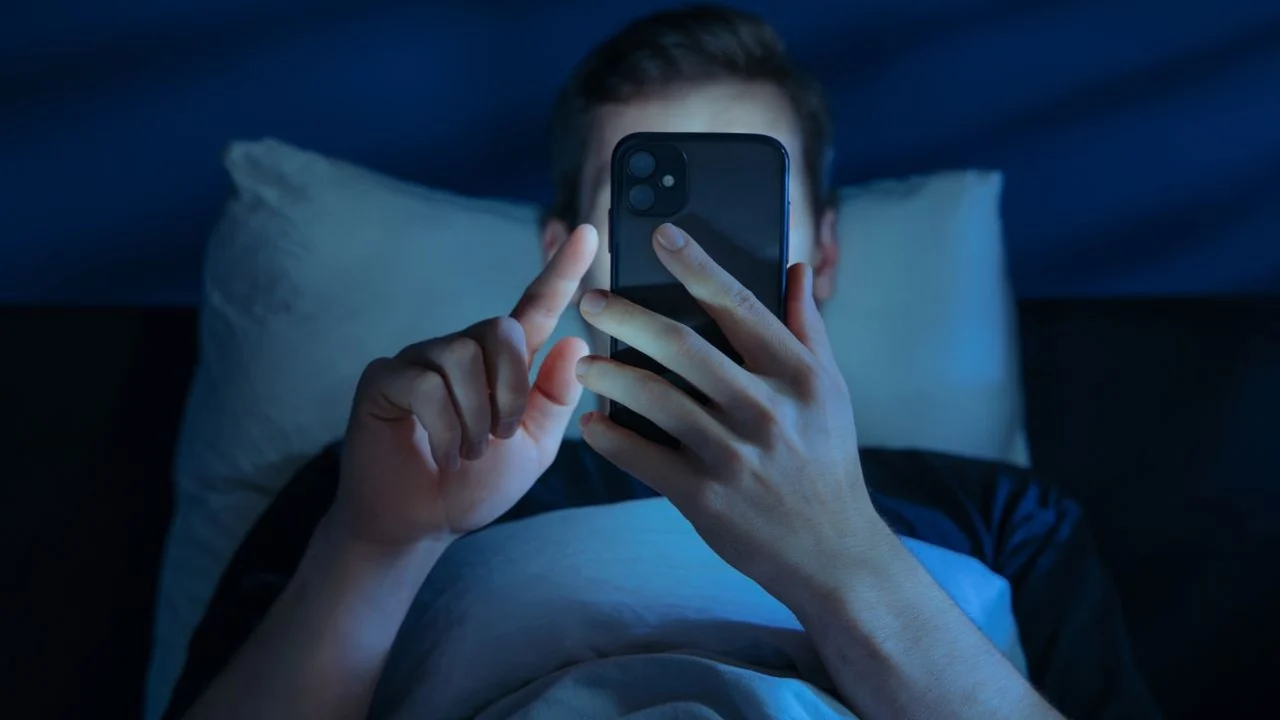
Psychologist Ties Screen Addiction to Co-Occurring Disorders Published September 3, 2026 The most useful claim in the current debate over phone addiction isn’t that screens are addictive. Rather, screen compulsion usually sits on top of other conditions and treating both is key. That’s the argument from Dr. Nicholas Kardaras, a psychologist who has treated more…

Night Owls Report More Mental Health Symptoms Than Early Birds
Night Owls Report More Mental Health Symptoms Than Early Birds Published September 2, 2026 People who stay up late and struggle to switch off after work report more anxiety and depression symptoms than people who wake early, according to one study. The finding points out that sleep timing and mood problems tend to travel together.…
Browse Treatment Centers by State
-
 Colorado
Alcohol Counseling and Guidance Services
1136 East Stuart Street, Suite 2060 Fort Collins, Colorado 80525
Treatment Programs
- Alcohol Rehab
- Dual Diagnosis
- Opioid Addiction
- +5
-
 Michigan
Cherry Health Community Alternatives Program
801 College SouthEast Grand Rapids, Michigan 49507
Treatment Programs
- Adult Program
- Drug Rehab
- +-1
-
 New York
North Shore Family Guidance Center
999 Brush Hollow Road, Westbury, NY 11590
Treatment Programs
- Dual Diagnosis
- Young Adult Rehab
- Adult Program
- +5
-
 Arizona
Spectrum Healthcare Cottonwood
8 East Cottonwood Street Cottonwood, Arizona 86326
Treatment Programs
- Dual Diagnosis
- Opioid Addiction
- Drug Rehab
- +4