
Sleeping Pill Dependence Tied to Athlete Mental Health
Published July 7, 2026

As players prepare for the 2026 FIFA World Cup, sports medicine specialists are warning that reliance on sleeping pills is a growing risk in professional football. The trend points to deeper mental health needs among athletes. Addressing both the sleep problem and the conditions beneath it is where inpatient and outpatient dual diagnoses come in.
Some Footballers Turn to Sleeping Pills
Dr. P.S.M. Chandran is president of the Indian Federation of Sports Medicine and explained how players often reach for sleeping pills as a quick fix, but that regular use can become a habit and lead to dependence if left unchecked. Night matches, adrenaline and constant travel across time zones make sleep hard for elite athletes.
Research has found that up to half of elite athletes are poor sleepers. A significant share have also reported daytime sleepiness. A global mental health crisis fueled by a shortage of providers has worsened the situation because many athletes try to fix their sleeping patterns on their own without considering the consequences.
Mental Health, Sports, and Addiction
Former England midfielder Dele Alli brought public attention to the issue when he described developing an addiction to sleeping pills that began with a prescription and later led him to obtain them illegally. He has since received treatment for both mental health and the addiction, as the pills masked a condition he had not addressed.
The pattern where a substance covers an underlying mental health condition is common. However, self-medication rarely works and often makes conditions worse. That’s exactly where integrated care plays a crucial role.
Dual Diagnosis and Treatment Options
Dual diagnosis, also called co-occurring disorders, describes when a substance use problem and a mental health condition such as anxiety or depression occur together. Treating only one side often leaves the other to drive relapse. Integrated treatment addresses both at the same time, and the evidence suggests this produces better outcomes than treating either alone.
Common sleeping pills include benzodiazepines and Z-drugs such as zopiclone, both of which can be habit-forming and generally aren’t recommended beyond a few weeks. Stopping them abruptly can be risky and may require medical supervision.
Personalized treatment often requires different levels of care. Clinicians might combine cognitive behavioral therapy, including counseling for insomnia, with treatment for any co-occurring anxiety or mood disorder. They might also start a supervised taper when dependence has developed. Holistic approaches like yoga and meditation can also relax the body and promote regular sleeping patterns.
Comprehensive Care Available Now
Sleep problems, sedative dependence and mental health conditions are best addressed together rather than in isolation. For athletes, sleeping pills join other medications and conditions that afflict their profession, such as enhancers and steroids. Facilities that treat co-occurring disorders can evaluate both the substance use and the mental health picture and build a single coordinated plan.
Call 800-908-4823 (Sponsored) to chat with a specialist concerning mental health and addiction treatment. You can also look through our searchable directory for verified facilities large and small across the nation.
Author

Quentin Blount
Read Bio
Quentin brings nearly a decade of experience as a writer, editor, and digital publisher to his role as Content Manager for Rehab.com. He aims to help people better understand their treatment options by creating engaging and informative content that is user-friendly, factually accurate, and optimized for search engine visibility. In his free time, Quentin enjoys the company of his friends, family, and his dog, Coop.
Editor

Peter Lee, PhD
Read Bio
Peter W.Y. Lee is a writer and historian of American history during the Cold War. His primary focus is the relationship between youth and popular culture and its impact on U.S. society during the twentieth century. He has published widely on how the public has used popular culture as a mechanism to address political and social shifts throughout time
Articles About Alcohol & Treatment
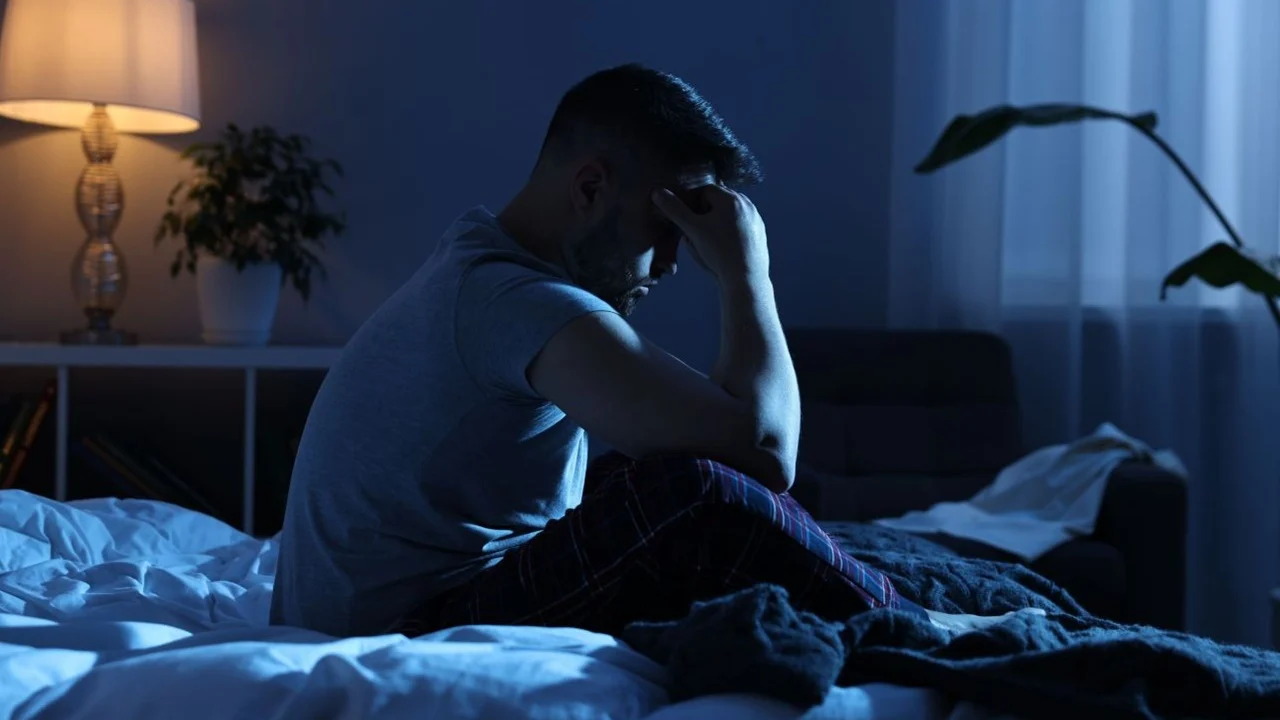
Night Owls Report More Mental Health Symptoms Than Early Birds
Night Owls Report More Mental Health Symptoms Than Early Birds Published September 2, 2026 People who stay up late and struggle to switch off after work report more anxiety and depression symptoms than people who wake early, according to one study. The finding points out that sleep timing and mood problems tend to travel together.…

Semaglutide Linked to Fewer Bipolar Disorder Hospitalizations
Semaglutide Linked to Fewer Bipolar Disorder Hospitalizations Published September 2, 2026 People with bipolar disorder often have a second diagnosis with metabolic conditions among the most common. A new analysis from Sweden suggests one widely used diabetes and obesity medication may be associated with fewer psychiatric hospitalizations for these folks. The study zeroed in on…
Federal Homelessness Policy Shifts From Housing to Treatment
Federal Homelessness Policy Shifts From Housing to Treatment Published September 1, 2026 Federal homelessness policy is being rebuilt around co-occurring disorders. In August 2026, the Department of Health and Human Services, the Office of National Drug Control Policy and the Department of Housing and Urban Development introduced a “Treatment First” model. This effort puts addiction…
Browse Treatment Centers by State
-
 Alabama
Athens Limestone Counseling Center
1307 East Elm Street Athens, Alabama 35611
Treatment Programs
- Dual Diagnosis
- Adult Program
- Senior Rehab
- +1
-
 New Jersey
Breath of Life Counseling Services
107 Cedar Grove Lane, Suite 103E Somerset, New Jersey 08873
Treatment Programs
- Alcohol Rehab
- Dual Diagnosis
- Opioid Addiction
- +5
-
 Florida
Catholic Charities Family Counseling Center
2210 Santa Barbara Boulevard Naples, Florida 34116
Treatment Programs
- Dual Diagnosis
- Alcohol Rehab
- Opioid Addiction
- +1
-
 Wisconsin
Maehnowesekiyah Wellness Center
North 2150 Kesaehkahtek Street Gresham, Wisconsin 54128
Treatment Programs
- Alcohol Rehab
- Opioid Addiction
- Drug Rehab
- +4