
Night Owls Report More Mental Health Symptoms Than Early Birds
Published September 2, 2026
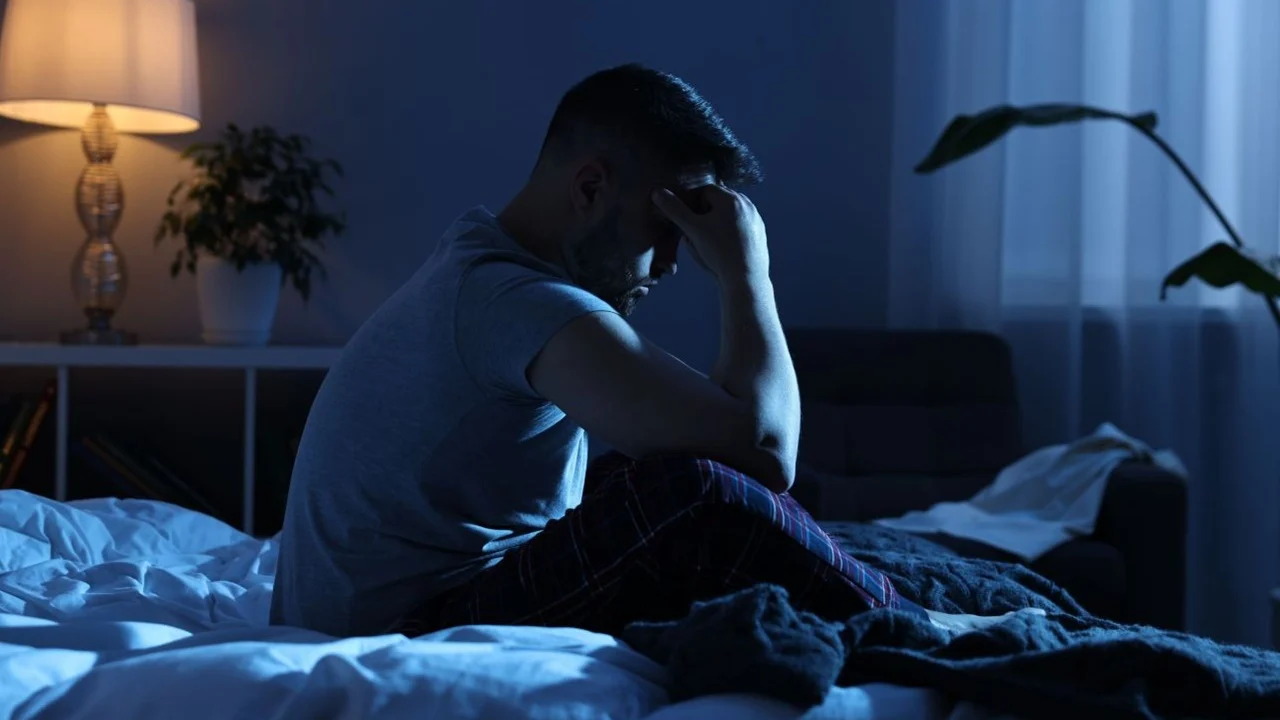
People who stay up late and struggle to switch off after work report more anxiety and depression symptoms than people who wake early, according to one study. The finding points out that sleep timing and mood problems tend to travel together.
Researchers led by Ilona Merikanto studied 2,266 working-age adults in Finland. Participants were sorted into morning types, evening types and in-between types based on circadian rhythm, then assessed for anxiety and depression symptoms, how much work spilled into leisure time and how well they recovered from work.
Night and Day Lifestyles
Mental health problems were most pronounced among extreme evening types. The association between being a night owl and anxiety disorders appeared related to poor recovery from work and difficulty balancing work and personal life.
Evening types also reported less healthy lifestyles. Notably, those health behaviors didn’t explain the work-life balance problems or the mental health differences the researchers observed among evening types.
This is a cross-sectional population study and ID’d associations rather than causes. It doesn’t establish that a late chronotype produces anxiety or depression. It also doesn’t show that shifting sleep timing would change symptoms.
“This way, measures to promote work-life balance and recovery from work can be targeted at the right people,” Merikanto noted, describing how the findings could inform workplace policy. Indeed, given the global shortage in mental health providers, the study extends far beyond Finland.
The Dual Diagnosis Link
Sleep problems sit at a crossroads that behavioral health clinicians see constantly. Insomnia and disrupted circadian rhythm are common in anxiety disorders, depression and substance use disorders. They persist well into recovery for many people.
That overlap matters because self-medication for sleep is a familiar pathway. Alcohol, sleeping pills and cannabis are all used by some people to force sleep. All three disrupt sleep architecture over time while creating dependence risk. A person presenting with late sleep timing, poor work recovery and rising anxiety may be managing all three problems at once.
Co-occurring disorders describe a mental health condition and a substance use disorder present in the same person at the same time. Treating one and ignoring the other tends to produce worse outcomes for both.
Integrated treatment addresses them together, in the same program, with a team that shares information. That’s the standard of care at behavioral treatment centers equipped for co-occurring conditions before poor mental health hygiene escalates.
Addressing Sleep
Several evidence-based therapies used in mental health treatment target sleep and circadian problems directly.
Cognitive behavioral therapy for insomnia, often shortened to CBT-I, is the first-line treatment for chronic insomnia and works by changing sleep-related behaviors and beliefs rather than sedating the patient. Standard behavioral group therapy addresses the anxious thought patterns and emotions that keep people awake. Trauma-focused therapies matter when nightmares or hypervigilance drive the sleep disruption.
Medication management may also be part of a plan, though prescribers generally avoid long-term sedative-hypnotics and benzodiazepines in people with a substance use history because of dependence risk.
Treatment Options for Mental Health and Addiction
Residential programs provide structure, which can be useful precisely because the daily schedule is externally set.
Various levels of outpatient care let people keep working while receiving treatment, which suits the population in this study. Evening and early-morning session options exist at many programs. Asking about scheduling is reasonable given that researchers highlighted the work-life spillover.
Local Care Options Available
If work stress, late nights and worsening mood are stacking up, that combination is treatable and worth raising with a clinician rather than waiting for it to resolve on its own.
Search mental health treatment facilities and dual diagnosis treatment programs on our browsable directory to compare therapies offered, and insurance accepted. Facilities that treat depression, anxiety and addiction together are listed by state and city.
Our helpline is also available around the clock by call at 800-908-4823 (Sponsored) .
Author

Terri Beth Miller, PhD
Read Bio
Terri Beth received her PhD in English literature from the University of Tennessee Knoxville and is an educator and disability studies scholar. For more than a decade, she has written extensively in the fields of mental health and addiction recovery and fiercely advocates for the destigmatization of mental illness.
Editor

Peter Lee, PhD
Read Bio
Peter W.Y. Lee is a writer and historian of American history during the Cold War. His primary focus is the relationship between youth and popular culture and its impact on U.S. society during the twentieth century. He has published widely on how the public has used popular culture as a mechanism to address political and social shifts throughout time
Articles About Alcohol & Treatment
Night Owls Report More Mental Health Symptoms Than Early Birds
Night Owls Report More Mental Health Symptoms Than Early Birds Published September 2, 2026 People who stay up late and struggle to switch off after work report more anxiety and depression symptoms than people who wake early, according to one study. The finding points out that sleep timing and mood problems tend to travel together.…

Semaglutide Linked to Fewer Bipolar Disorder Hospitalizations
Semaglutide Linked to Fewer Bipolar Disorder Hospitalizations Published September 2, 2026 People with bipolar disorder often have a second diagnosis with metabolic conditions among the most common. A new analysis from Sweden suggests one widely used diabetes and obesity medication may be associated with fewer psychiatric hospitalizations for these folks. The study zeroed in on…

Federal Homelessness Policy Shifts From Housing to Treatment
Federal Homelessness Policy Shifts From Housing to Treatment Published September 1, 2026 Federal homelessness policy is being rebuilt around co-occurring disorders. In August 2026, the Department of Health and Human Services, the Office of National Drug Control Policy and the Department of Housing and Urban Development introduced a “Treatment First” model. This effort puts addiction…
Browse Treatment Centers by State
-
 South Carolina
MUSC Health Florence Medical Center Alcohol and Drug Recovery Services
805 Pamplico Highway Florence, South Carolina 29505
Treatment Programs
- Alcohol Rehab
- Drug Rehab
- +-1
-
 Pennsylvania
Wesley Family Services Tarentum
201 Corbet Street Tarentum, Pennsylvania 15084
Treatment Programs
- Alcohol Rehab
- Dual Diagnosis
- Opioid Addiction
- +4
-
 North Carolina
Doris Lasley and Associates Substance Abuse Services
22 South Main Avenue Newton, North Carolina 28658
Treatment Programs
- Alcohol Rehab
- Drug Rehab
- +-1
-
 New Mexico
Recovery Services of New Mexico Isleta
1711 Isleta Sw Albuquerque, New Mexico 87105
Treatment Programs
- Drug Rehab
- +-2