
Coordinated Care Helps Youth With Co-Occurring Disorders
Published July 27, 2026

A rehabilitation expert is spotlighting how coordinated, multi-specialist care can better serve children facing both developmental and mental health challenges at once, a model that has clear parallels to dual diagnosis treatment for co-occurring disorders more broadly.
Kelly Schneider, a rehabilitation expert at Easterseals Rehabilitation Center in Evansville, Indiana, explained how neurodevelopmental care brings together specialists to treat the whole child rather than isolated symptoms. For folks out in The Hoosier State, programs that feature multiple approaches tend to lead to stronger positive outcomes.
Mental Health and Addictions Linked Together
The article defines co-occurring disorders in youth as cases where intellectual or developmental disabilities exist alongside conditions such as anxiety, depression, attention difficulties, or behavioral challenges. This is a distinct clinical picture from the substance use and mental health combination among kids that most people associate with dual diagnosis treatment. But the underlying principle is the same. Treating one condition while ignoring the other leaves gaps that limit a person’s progress.
That principle carries directly into behavioral health and addiction treatment. Just as a child with both a developmental delay and anxiety needs coordinated care rather than two disconnected treatment tracks, an adolescent or adult with both a substance use disorder and trauma, PTSD, or another mental health condition needs integrated dual diagnosis treatment rather than sequential, siloed care.
Understanding & Addressing Dual Diagnosis
Dual diagnosis, or co-occurring disorders, refers to having mental health conditions and drug misuse, or in this case, a developmental condition alongside a mental health issue. Treating both conditions together, rather than addressing one and hoping the other resolves on its own, produces better long-term outcomes. Neurodevelopmental care applies this same integrated logic to children with developmental and psychiatric needs.
The neurodevelopmental care model described by Schneider involves collaboration among psychologists, psychiatrists, speech and occupational therapists and other specialists who align their goals and share strategies rather than working in isolation.
A practical example in the feature describes a child with language delays who also experiences anxiety at school. Addressing only the anxiety leaves communication difficulties unresolved, while tackling just the speech delay leaves emotional barriers to participation in place. Treating both simultaneously allows for smoother, more complete progress.
Families are central to any treatment by providing insight into daily behaviors and routines while learning strategies to reinforce therapy at home. Schools also play a role, offering individualized education plans and classroom accommodations informed by clinical evaluations that combine cognitive testing, speech evaluation and mental health screening.
Treatment Options Closeby
Schenider acknowledged real barriers to this kind of coordinated care, including limited local services, insurance restrictions, and long waitlists. These challenges will sound familiar to anyone who has tried to access dual diagnosis treatment for any condition. Some families rely on hospital-based programs, while others turn to private practices or community health clinics when specialized options are scarce.
Whether the co-occurring conditions involve inpatient or outpatient care for developmental or substance use disorders, the lesson from this coordinated care model is the same: integrated treatment that addresses every condition at once tends to outperform care that treats problems one at a time.
Facilities that treat depression and addiction together using evidence-based therapies alongside medications when appropriate follow this same principle.
Call [phone[ to chat with an expert about dual diagnosis treatment programs that coordinate care across mental health and behavioral health needs. Or, feel free to browse our listings for centers located across the country.
Author

Quentin Blount
Read Bio
Quentin brings nearly a decade of experience as a writer, editor, and digital publisher to his role as Content Manager for Rehab.com. He aims to help people better understand their treatment options by creating engaging and informative content that is user-friendly, factually accurate, and optimized for search engine visibility. In his free time, Quentin enjoys the company of his friends, family, and his dog, Coop.
Editor

Peter Lee, PhD
Read Bio
Peter W.Y. Lee is a writer and historian of American history during the Cold War. His primary focus is the relationship between youth and popular culture and its impact on U.S. society during the twentieth century. He has published widely on how the public has used popular culture as a mechanism to address political and social shifts throughout time
Articles About Alcohol & Treatment
Coordinated Care Helps Youth With Co-Occurring Disorders
Coordinated Care Helps Youth With Co-Occurring Disorders Published July 27, 2026 A rehabilitation expert is spotlighting how coordinated, multi-specialist care can better serve children facing both developmental and mental health challenges at once, a model that has clear parallels to dual diagnosis treatment for co-occurring disorders more broadly. Kelly Schneider, a rehabilitation expert at Easterseals…

Psilocybin Study Offers Clues for Dual Diagnosis Care
Psilocybin Study Offers Clues for Dual Diagnosis Care Published July 24, 2026 A single dose of psilocybin, the psychedelic compound in magic mushrooms, may produce measurable brain changes that last for a month, according to new research from UC San Francisco and Imperial College London. While the study enlisted healthy adults without diagnosed mental health…
Nicotine Use Tied to Teen Anxiety and Depression Risk
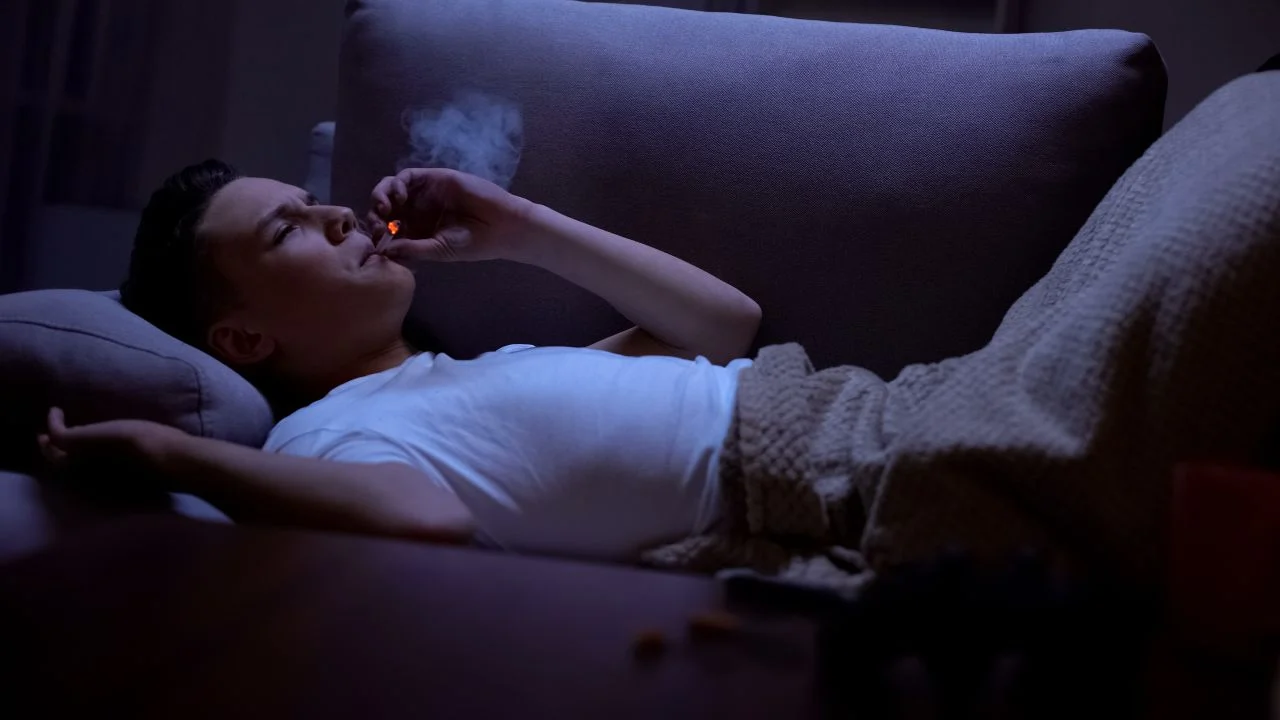
Nicotine Use Tied to Teen Anxiety and Depression Risk Published July 24, 2026 Adolescents who use nicotine, whether through cigarettes, vapes or nicotine pouches, are more likely to report anxiety, depression, and other mental health symptoms than peers who don’t. New research out of the University of Gothenburg pointed out that girls appear especially vulnerable.…
Browse Treatment Centers by State
-
 Arizona
Next Step Counseling East Speedway Boulevard
2302 East Speedway Boulevard, Suite 208 Tucson, Arizona 85719
Treatment Programs
- Drug Rehab
- Men's Rehab
- Women's Rehab
- +1
-
 Illinois
Aspen Counseling
8616 Northern Avenue, Rockford, IL 61107
Treatment Programs
- Alcohol Rehab
- Dual Diagnosis
- Opioid Addiction
- +5
-
 Pennsylvania
Esper Treatment Center
25 West 18th Street, Erie, PA 16501
Treatment Programs
- Alcohol Rehab
- Opioid Addiction
- Drug Rehab
- +4
-
 Indiana
Memorial Hospital Behavioral Health Jasper
800 West 9Th Street Jasper, Indiana 47546
Treatment Programs
- Dual Diagnosis
- Young Adult Rehab
- Adult Program
- +1