
Group Therapy Eases Isolation for Co-Occurring Disorders
Published July 21, 2026
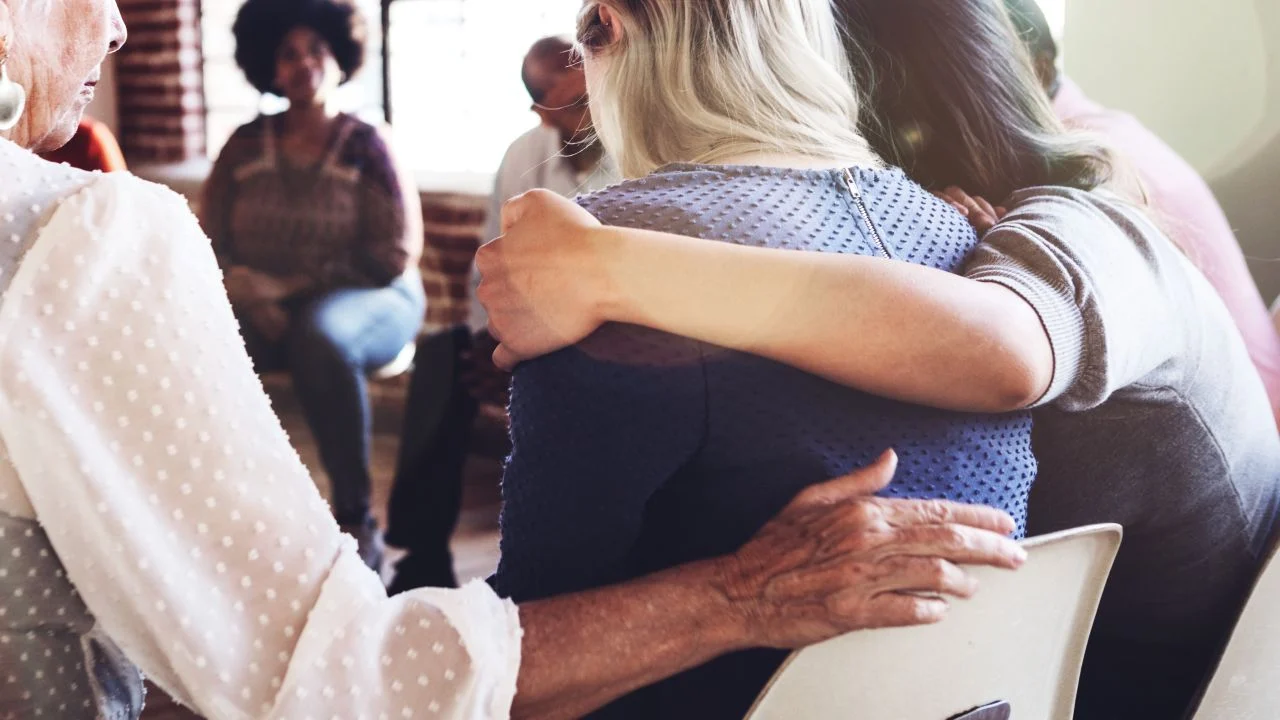
July is Social Wellness Month, and behavioral health providers use the observance to highlight a treatment tool that matters most for people managing co-occurring disorders: connection. For instance, out in Florida, many facilities, such as DeSoto Memorial Hospital’s behavioral health division, focused on how isolation worsens mental health symptoms, and how group therapy helps rebuild the social support that co-occurring disorders often erode.
Isolation is a Risk Factor for Co-Occurring Disorders
Isolation and disconnection tend to feed both halves of a co-occurring disorder at once. Someone managing depression alongside a substance use disorder may withdraw from friends and family during a difficult stretch, and that withdrawal can deepen both conditions.
Research on social connection generally shows that strong relationships correlate with lower rates of anxiety and depression, improved stress management and better overall health outcomes. Isolation tends to amplify emotional distress rather than ease it.
More broadly, co-occurring disorders, sometimes called dual diagnosis, describe the presence of a mental health condition and a substance use disorder at the same time. Treating the two conditions separately often falls short, because symptoms of one can trigger or worsen the other. Integrated treatment that tackles both at the same time, rather than separately, gives people a more realistic path to stability.
Group Therapy Matters for Dual Diagnosis Treatment
Group therapy offers something individual therapy can’t: the experience of healing alongside people facing similar challenges. Through empathy, participants in group therapy often find they’re not alone in their experiences or emotions, which can reduce shame and build a sense of belonging. For people in dual diagnosis treatment specifically, hearing how others manage both a mental health condition and a substance use disorder can normalize recovery and reduce the isolation that so often accompanies it.
Group therapy can help participants build supportive relationships, improve communication skills, develop healthier coping strategies, and increase self-awareness. All these factors support long-term stability for people managing co-occurring disorders.
Connecting with others is simpler than it might seem. Calling a friend, joining a community activity, or simply checking in with someone, are low-barrier social engagement that treatment programs try to rebuild for people in recovery. Given the shortage of mental health providers, many folks end up leaning more on each other. For someone managing a co-occurring disorder, small, consistent connections can matter as much as any single therapy session.
Other Treatment Approaches for Mental Health and Addiction
Effective care for co-occurring disorders typically combines several approaches. Individual therapy addresses personal history and triggers. Group therapy revolves around peer support and reinforces shared coping strategies. Tension among relatives often impacts everyone else in a household, and family therapy helps loved ones understand how to support someone without unintentionally reinforcing isolation.
For those with addictions, medication assisted treatment may be appropriate to help withdrawal and reinforce your commitment to recovery.
Comprehensive Treatment in July and Beyond
If isolation, anxiety, or substance use has been building this year, Social Wellness Month is a reasonable prompt to look into options that treat co-occurring disorders together. Ask a potential treatment center rep directly whether their group therapy programs address dual diagnoses, and whether their clinicians can treat mental health and substance use conditions in an integrated way.
Start today. Call 800-908-4823 (Sponsored) to speak with an expert regarding dual diagnosis and co-occurring disorder treatment, including group therapy programs. You can also browse our directory for mental health and addiction treatment options anywhere in the country.
Author

Eric Owens
Read Bio
Eric Owens has been a writer and editor for various businesses as well as his own successful websites. He has extensive experience creating content in the health and wellness space and the sustainability space. He holds a bachelor degree in Philosophy which helped him with presenting complex information in a simple way that all audiences can understand.
Editor

Peter Lee, PhD
Read Bio
Peter W.Y. Lee is a writer and historian of American history during the Cold War. His primary focus is the relationship between youth and popular culture and its impact on U.S. society during the twentieth century. He has published widely on how the public has used popular culture as a mechanism to address political and social shifts throughout time
Articles About Alcohol & Treatment

Rural Maine Raffle Backs Mental Health Treatment Facilities
Rural Maine Raffle Backs Mental Health Treatment Facilities Published October 22, 2026 The proceeds from a raffle in Maine went to mental health facilities in Aroostook County to assist rural residents who don’t have resources. The 5th Annual Fall Spectacular was sponsored by the Center for Advancement of Rural Living in Caribou and directed every…

Ohio Drug Court Graduates Credit Dual Diagnosis Treatment
Ohio Drug Court Graduates Credit Dual Diagnosis Treatment Published October 21, 2026 Three men graduated from Fulton County Drug Court this month with more than a certificate. Scott Ward, Michael Burch and Mathias Petersen left the program employed and two had more than two years of sobriety under their belts. Each story also reflected the…

Substance Abuse Treatment Expands Across Eight Alabama Prisons
Substance Abuse Treatment Expands Across Eight Alabama Prisons Published October 20, 2026 Out in Alabama, Governor Kay Ivey has awarded $280,806 to the Alabama Department of Corrections to fund the Residential Substance Abuse Treatment program in eight state jails for 12 months. These facilities include Julia Tutwiler Prison for Women and William E. Donaldson Correctional…
Browse Treatment Centers by State
-
 South Dakota
Community Counseling Madison
914 3Rd Street Ne Madison, South Dakota 57042
Treatment Programs
- Alcohol Rehab
- Dual Diagnosis
- Young Adult Rehab
- +3
-
 Colorado
Creative Treatment Options
1410 Vance Street, Suite 204 Lakewood, Colorado 80214
Treatment Programs
- Drug Rehab
- Dual Diagnosis
- Alcohol Rehab
- +1
-
 Kansas
Elm Acres Recovery Services
1102 South Rouse Pittsburg, Kansas 66762
Treatment Programs
- Drug Rehab
- Young Adult Rehab
- Alcohol Rehab
- +0
-
 Ohio
OhioMental Health Services for Clark and Madison County Miracle Mile
1835 Miracle Mile Springfield, Ohio 45503
Treatment Programs
- Dual Diagnosis
- Young Adult Rehab
- Adult Program
- +2