
About Linden Oaks Behavioral Health Naperville Outpatient Center
Linden Oaks Behavioral Health is an outpatient treatment center in Naperville, Illinois and a part of of the broader Linden Oaks Hospital.
They treat adolescents and adults for mental health and substance use, including trauma related issues, with individual, group or family counseling. They have two separate addiction and dual diagnosis programs for ages 12 to 18, and 18 or older.
Telehealth and Therapy in Naperville
At Linden Oaks, you can access flexible and secure telehealth appointments for therapy and medication consultations, partial hospitalization and intensive outpatient care.
The clinicians are trained in cognitive behavioral therapy and dialectical behavior therapy, and board certified psychiatrists are on the staff. Counseling and therapy are for clients who are 12 and older.
They also offer transcranial magnetic stimulation for ages 16 to 54.
Addiction Treatment Programs

Alcohol Rehab
An alcohol rehab in Illinois helps people gain the skills they need to overcome addiction and maintain long-term sobriety. Whether you need detox, inpatient treatment, or outpatient care, an alcohol program will help you build a new lifestyle based on healthy coping mechanisms, better relationships, and a new way of thinking about life.

Dual Diagnosis
The Adult Addiction and Dual Diagnosis Program in Suite 260 treats ages 18 and older. The Adolescent Addiction and Dual Diagnosis Program, also in Suite 260, treats ages 12 to 18.

Opioid Addiction
If you choose rehab in Illinois, you’ll receive professional treatment that will help you break free of opioid addiction. During this program, you’ll work with professional counselors to deal with the psychological, emotional, and physical issues that opioid misuse can cause. Over time, you’ll learn how to live without substance use long-term.

Young Adult Rehab
Choosing a young adult rehab in Illinois can be a great way to learn new life skills while also addressing substance use. Whether you need detox, inpatient treatment, or outpatient care, a young adult program will offer specific support for your emotional, mental, and social needs.

Senior Rehab
Older clients may find it more comfortable to choose a senior rehab in Illinois. Whether you need detox, inpatient treatment, or outpatient care, a senior program will offer specific support for your physical, emotional, mental, and social needs.

Adult Program
Adults 18 and older can use the Adult Addiction and Dual Diagnosis Program in Suite 260, and ongoing addiction recovery services, called OARS, in that same suite.

Men's Rehab
Men need unique support, and a men’s rehab in Illinois can help them manage gender-specific concerns while overcoming addiction. Whether you need detox, inpatient treatment, or outpatient care, a men’s program will offer specific support for your emotional, mental, and social needs.

Women's Rehab
When people join a women’s rehab in Illinois, they are able to tackle gender-specific issues while receiving treatment. Whether you need detox, inpatient treatment, or outpatient care, a women’s program will offer specific support for your emotional, mental, and social needs.
Intensive Outpatient Program
Adolescent Program
Insurance Coverage

Medicaid
There are many ways to pay for rehab in Illinois, including using Medicaid if you qualify. Using Medicaid can allow you to access treatment without paying much, if anything, out of pocket. Be sure to find a center that accepts Medicaid and has the level of care you need.

Private insurance
There are many ways to pay for rehab in Illinois, and one option is to use private insurance. Insurance plans can pay some or all of the costs of rehab. Each plan has different coverage details, and you’ll pay less if you choose a treatment center in the plan’s network. Contact the insurer to find out more information.

Self-pay options
In Illinois, you can pay for rehab yourself, which is known as self-pay. Whether you write a check, have money sent to the center electronically, or use a medical loan, you’ll want to check the fee schedule, which may vary depending on the level of care.

Financial aid
Trying to see if you qualify for financial aid programs can be a great way to pay for rehab in Illinois. Community groups or non-profits in your area may offer assistance, or you might find a treatment program that has grants or scholarships.

Military insurance
When you’re planning to use military insurance to pay for rehab in Illinois, there are a few details to keep in mind. Contact your insurer to get details about coverage and out-of-pocket costs, such as deductibles and copayments.

Medicare
How do you pay for rehab in Illinois? If you have Medicare, consider using it to pay for some or all of the costs of treatment. Coverage may vary depending on whether you have Original Medicare or Medicare Advantage. You may be responsible for certain costs, such as copayments and deductibles.
Levels of Care
- 1
Detox Treatment
Withdrawal management and detoxification are both named here, and both are placed in Suite 260 at the Naperville outpatient center.
- 2
Inpatient Rehab
During inpatient treatment in Illinois, each client lives at the facility and is able to focus entirely on recovery. During inpatient treatment, clients are able to work on their recovery through counseling, activities, and holistic treatment like mindfulness, art therapy, and more.
- 3
Outpatient Rehab
Counseling and therapy for ages 12 and older are the outpatient services here, and they are located in Suite 100.
- 4
Aftercare Support
Ongoing addiction recovery services, called OARS, are the aftercare here. They are in Suite 260 and they treat ages 18 and older.
- 5
Intervention Services
For some people, intervention in Illinois is the first step in their recovery journey. An intervention professional can offer valuable resources and support and help your loved one find the right program, get there, and begin treatment.
- 6
Partial Hospitalization Program
If you need intensive care but want to live independently, consider partial hospitalization programs (PHPs) in Illinois. PHPs provide focused therapy up to 20 hours per week that allows you to understand the roots of substance use, learn healthy coping skills, and create a new life.
Therapies

Cognitive Behavior Therapy
In Illinois, cognitive behavioral therapy (CBT) is widely used in addiction treatment. Substance use treatment includes detox, inpatient treatment, and outpatient care, and CBT may be a part of each of these stages. The goal is to help clients identify distorted thinking, replace it with rational thinking, and change their responses accordingly.

Dialectical Behavior Therapy
In Illinois, dialectical behavioral therapy (DBT) is widely used in addiction treatment. Substance use treatment includes detox, inpatient treatment, and outpatient care, and DBT may be a part of each of these stages. The goal is to help clients develop the skills they need to solve the problems they face without substance use.

Experiential Therapy
Experiential therapy in Illinois gives you tools to process your emotions, helping you improve and change your life. By participating in art, music, or physical activities like hiking, you can learn to face internal issues without turning to substance use. Instead, you’ll develop healthy coping mechanisms.

Family Therapy
Family therapy in Illinois helps clients overcome substance use by addressing the family conflicts and dysfunction that may contribute to addiction. There are several goals in family therapy. Some sessions may be focused on specific past events, while others address current broken relationships or how good intentions have gone astray. Over time, family relationships can be restored, making recovery easier.

Group Therapy
Group therapy in Illinois helps clients overcome substance use by providing accountability and support. Substance use treatment includes detox, inpatient treatment, and outpatient care, and group therapy may be a part of each of these stages. The goal is to help clients support each other, provide accountability, and relate to each other’s experiences.

Individual Therapy
Attending individual therapy in Illinois is a way to work through your past and develop healthy coping skills, helping you establish long-term recovery. Some of the topics covered in individual therapy include developing healthy coping skills, addressing past events that may have played a part in substance use, and building a support network.

Trauma Therapy
Many people struggling with addiction in Illinois are dealing with unprocessed trauma. Trauma-informed therapy can help you address what happened and develop healthier coping strategies. Both inpatient treatment and outpatient care can include trauma-informed therapy, which helps you create a feeling of safety, access peer support, embrace the validity of your feelings, and create healthy coping skills.

Animal Therapy
Medication Management
Psychiatric Services
Accreditations

Location
Contact Linden Oaks Behavioral Health Naperville Outpatient Center


 Sponsored
Treatmentcentersdirectory.com regularly reviews this listing for accuracy but changes may occur between updates. For the most up-to-date information, please contact Linden Oaks Behavioral Health Naperville Outpatient Center.
Top Drug Rehab Centers in Illinois
-
 Illinois
Gateway Foundation Mercy Lane
400 Mercy Lane Aurora, Illinois 60506
-
 Illinois
Positive Sobriety Institute
142 East Ontario Street, Suite 1000, Chicago, IL 60611
-
 Illinois
Centerstone Fellowship House Campus
800 North Main Street Anna, Illinois 62906
-
 Illinois
Gateway Foundation Kedzie Recovery Home
1706 North Kedzie Avenue Chicago, Illinois 60647
-
 Illinois
Preferred Family Healthcare Recovery Resources
428 South 36th Street Quincy, Illinois 62301
-
 Illinois
Gateway Foundation
600 West Lincoln Avenue, Caseyville, IL 62232
-
 Illinois
Mathers Recovery Elgin
420 Airport Road, C, Elgin, IL 60123
-
 Illinois
Symetria — Chicago Outpatient Rehab & Suboxone Clinic
3934 North Lincoln Avenue, Chicago, IL 60613
-
 Illinois
Footprints To Recovery
411 West River Road, Suite 309 Elgin, Illinois 60123
-
 Illinois
Symetria Recovery Naperville Warrenville
28373 Davis Parkway, Suite 500 Warrenville, Illinois 60555
-
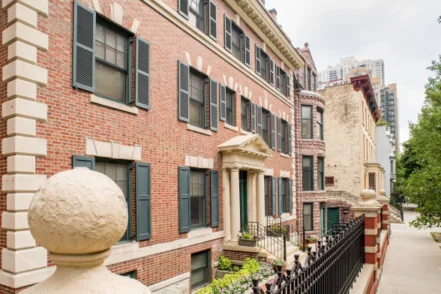 Illinois
Hazelden Betty Ford Foundation
867 North Dearborn Street, Chicago, IL 60610
-
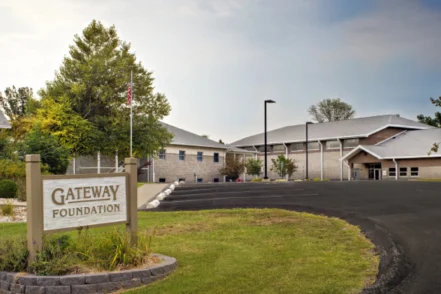 Illinois
Gateway Foundation – Carbondale
1080 East Park Street, Carbondale, IL 62901
-
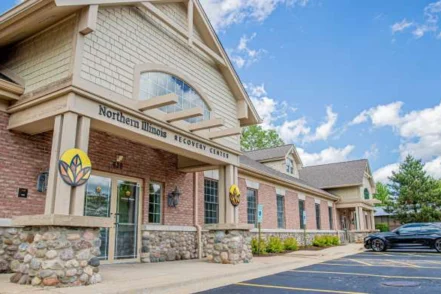 Illinois
Northern Illinois Recovery Center
620 N State Route 31, Crystal Lake, IL 60012
-
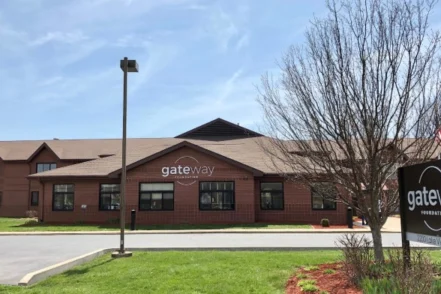 Illinois
Gateway Foundation
2200 Lake Victoria Drive Springfield, Illinois 62703
-
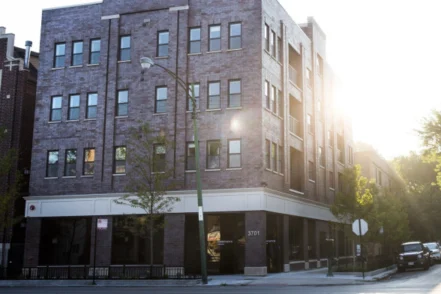 Illinois
Rosecrance Lakeview Sober Living Residences
3701 North Ashland Avenue, Chicago, IL 60613
Other Popular Illinois Cities
Browse by Illinois cities
- Cairo
- Calumet City
- Canton
- Carbondale
- Carlinville
- Carlyle
- Carmi
- Carol Stream
- Carpentersville
- Carrollton
- Carterville
- Carthage
- Cary
- Caseyville
- Centralia
- Champaign
- Charleston
- Chester
- Chicago
- Chicago Heights
- Chicago Ridge
- Chillicothe
- Cicero
- Cissna Park
- Clifton
- Clinton
- Collinsville
- Crest Hill
- Crete
- Crystal Lake
FAQs
What levels of care does Linden Oaks Behavioral Health offer?
Several levels are listed, and detoxification and withdrawal management are in Suite 260. Partial hospitalization and intensive outpatient programs are offered, and counseling and therapy for ages 12 and older are in Suite 100. The Adult Addiction and Dual Diagnosis Program offers dual diagnosis care for ages 18 and older in Suite 260, and ongoing addiction recovery services (OARS) are there for the same ages.
Can you attend therapy or programs by video?
Yes. Eligible patients can reach therapy sessions and psychiatric medication management consultations through secure video conferencing, and the same path covers PHP or IOP programs.
What ages can be evaluated, and who is the adolescent program for?
Evaluation and referral are open from age 8. The Adolescent Addiction and Dual Diagnosis Program in Suite 260 treats ages 12 to 18, which is the teen rehab age range for that program.
What therapies and approaches does the center use?
Clinicians are trained in cognitive-behavioral therapy (CBT), dialectical behavior therapy (DBT) and trauma-informed therapy, and the formats are individual, group and family. Individual work focuses on personal goals, group sessions are therapist-led with others who have similar struggles, and family therapy brings in loved ones. Psychiatric medication management in Suite 100 starts at age 12.
Is the behavioral health care accredited?
Yes. Endeavor Health holds The Joint Commission’s Gold Seal of Approval. The seal is for behavioral health services, and that is the accreditation named here.