


Chicago, IL Drug & Alcohol Treatment Centers

14 results nearby

Looking for help with addiction in Chicago, IL?

NameAddressTreatment ProgramsInsuranceMedia

Confidential DUI Services Cicero

5101 West Roosevelt Road
Cicero, Illinois 60804

Treatment Programs

  • Alcohol Rehab
  • Opioid Addiction
  • +6

Insurance

  • Self-pay options

Grateful House

412 South Wesley Street
Oak Park, Illinois 60302

Treatment Programs

  • Alcohol Rehab
  • Dual Diagnosis
  • +3

Insurance

  • Medicaid
  • Private insurance
  • +4
Get Help Now
Confidential & Free
708-809-3480
Sponsored
  • Learn about treatment options
  • Find helpful resources
  • Available 24/7

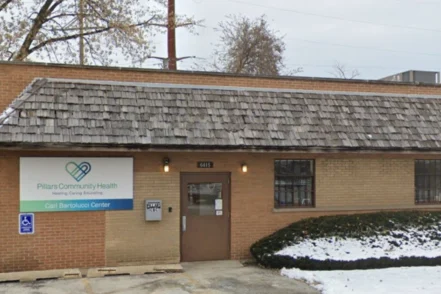
Pillars Carl Bartolucci Center

6415 Stanley Avenue
Berwyn, Illinois 60402

Treatment Programs

  • Alcohol Rehab
  • Dual Diagnosis
  • +4

Insurance

  • Medicaid
  • Private insurance
  • +4

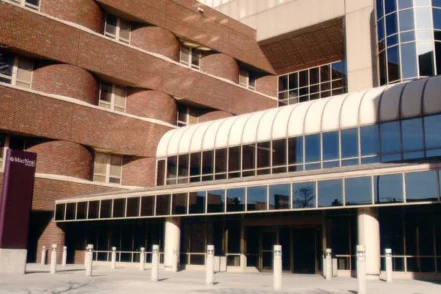
MacNeal Hospital Psychiatry and Behavioral Health

3249 South Oak Park Avenue
Berwyn, Illinois 60402

Treatment Programs

  • Dual Diagnosis
  • Adult Program
  • +3

Insurance

  • Medicaid
  • Private insurance
  • +3

Two Dreams

610 South Maple Avenue, Suite 3400
Oak Park, Illinois 60304

Treatment Programs

  • Alcohol Rehab
  • Dual Diagnosis
  • +4

Insurance

  • Private insurance
  • Self-pay options

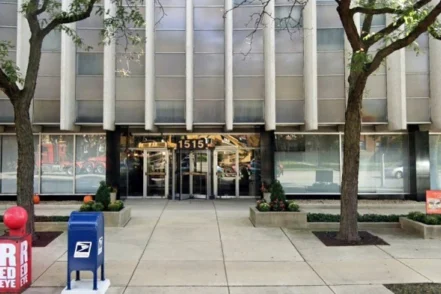
Enhanced Clinical Solutions Oak Park

1515 North Harlem Avenue, Suite 302
Oak Park, Illinois 60302

Treatment Programs

  • Alcohol Rehab
  • Opioid Addiction
  • +4

Insurance

  • Medicaid
  • Private insurance
  • +2

Eisenhower Tower Enhanced Clinical Solutions

1701 South 1St Avenue, Suite 310
Maywood, Illinois 60153

Treatment Programs

  • Alcohol Rehab
  • Opioid Addiction
  • +4

Insurance

  • Medicaid
  • Private insurance
  • +2

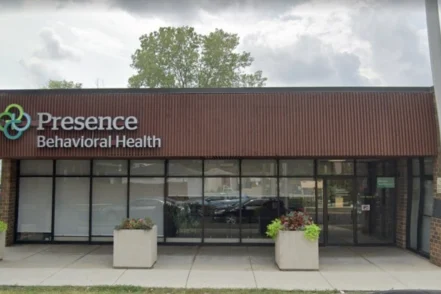
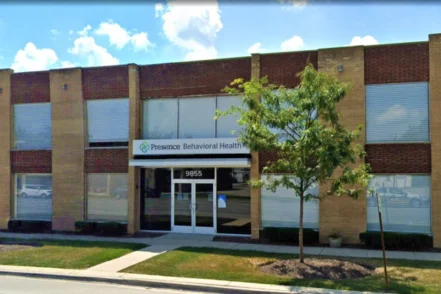
Presence Behavioral Health Respite Center

117 S. 6Th Ave
Maywood, Illinois 60153

Treatment Programs

  • Alcohol Rehab
  • Dual Diagnosis
  • +4

Insurance

  • Medicaid
  • Private insurance
  • +6

Edward Hines Jr VA Hospital

5000 South 5th Ave
Hines, Illinois 60141

Treatment Programs

  • Alcohol Rehab
  • Dual Diagnosis
  • +6

Insurance

  • Self-pay options
  • Financial aid
  • +4

Thresholds Skokie

7400 Skokie Boulevard
Skokie, Illinois 60077

Treatment Programs

  • Dual Diagnosis
  • Adult Program
  • +1

Insurance

  • Medicaid
  • Private insurance
  • +2

VHS Westlake Hospital

1225 West Lake Street
Melrose Park, Illinois 60160

Treatment Programs

  • Alcohol Rehab
  • Opioid Addiction
  • +4

Insurance

  • Medicaid
  • Private insurance
  • +3

AMITA Health Centro de Salud

1414 Main Street
Melrose Park, Illinois 60164

Treatment Programs

  • Alcohol Rehab
  • Dual Diagnosis
  • +4

Insurance

  • Medicaid
  • Private insurance
  • +6

Project Coat

9730 South Western Avenue, Suite 204
Evergreen Park, Illinois 60805

Treatment Programs

  • Drug Rehab

Insurance

  • Self-pay options
  • Private insurance
  • +1

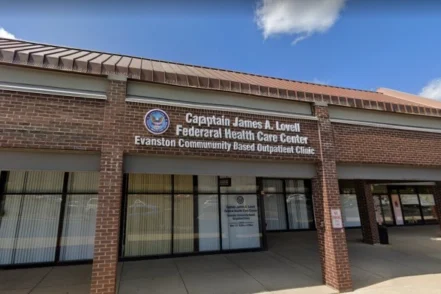
Captain James A Lovell Federal Health Care Center Evanston CBOC

1942 Dempster Street
Evanston, Illinois 60202

Treatment Programs

  • Alcohol Rehab
  • Dual Diagnosis
  • +6

Insurance

  • Private insurance
  • Self-pay options
  • +4

Top Drug Rehab Centers in Illinois

Getting Treatment in Chicago: A Local Orientation

Chicago is the largest city in the Midwest, with a concentration of addiction treatment programs inside the city rather than spread across the suburbs. Our directory lists 103 treatment centers in Chicago itself, covering the full range of care, including medical detox, residential programs, outpatient and intensive outpatient clinics and recovery housing. People travel here from across Illinois and neighboring states for specialties smaller markets cannot offer, and because moving between levels of care can happen without leaving town.

Before comparing programs, it helps to know where they sit. The Near West Side offers the clearest concentration of hospital-affiliated care, around the Illinois Medical District, a 560-acre stretch about two miles west of the Loop that is one of the largest medical districts in the country. More programs are located on the North Side in neighborhoods like Uptown and Edgewater, as well as the West and South Sides. Across the city line, the Cook County suburbs each add a handful, including  Evanston and Arlington Heights to the north, Des Plaines and Schaumburg to the northwest, Cicero just west and Oak Lawn and Calumet City to the south.

That geography explains why the listings above may include centers in Cicero or Oak Lawn when you search for Chicago. The site’s map reaches into nearby towns, so a Chicago search turns up about twenty more programs from the suburbs that ring the city. Because those inner suburbs sit so close, the city and its bordering suburbs act as a single treatment market, and people often move between them as they change levels of care.

Getting to Treatment in Chicago

Chicago has two major airports, and which one to use depends on where the program sits. O’Hare International Airport (ORD), about 17 miles northwest of downtown, is the larger hub with the widest set of nonstop flights for anyone flying in from another state. Midway International Airport (MDW), about 10 miles southwest of the Loop, is smaller and closer, often the easier arrival for programs on the South and Southwest Sides. A ride downtown runs about 30 to 50 minutes from O’Hare and 20 to 30 minutes from Midway, depending on traffic. Many residential programs arrange airport pickup, so ask admissions and confirm the details before booking a flight.

If you are driving, the metro runs on a web of expressways which each carry a number and a local name. The Kennedy Expressway (Interstate 90/94) links O’Hare to downtown from the northwest, then continues south of the Loop as the Dan Ryan. The Eisenhower (Interstate 290) runs west past the Illinois Medical District toward the western suburbs, the Stevenson (Interstate 55) angles southwest past Midway and the Tri-State Tollway (Interstate 294) loops around the city to connect the suburbs without crossing the center. Lake Shore Drive follows the lakefront.

For outpatient treatment, the CTA makes much of the city reachable without a car. Its eight color-coded ‘L’ train lines run through the Loop, with the Red Line covering the north-south spine around the clock, the Blue Line running 24 hours to O’Hare and the Orange Line reaching Midway. In areas between the stops, buses fill the gaps. A city program near a train line is realistic to attend several days a week by transit. However, the suburbs work differently. For example, the Metra commuter trains are built for weekday trips into downtown but less so for getting around the suburbs. For this reason, a suburban program generally assumes you have a car. Without one, favor a city program within walking distance of an ‘L’ stop.

The Recovery Environment: Four Seasons and the Lakefront

Chicago has four real seasons, and the one you arrive in shapes both your packing list and how much of your program happens outdoors. Winters are cold and often snowy, with January highs around 31°F and lows in the teens. Keep in mind that wind off Lake Michigan can make it feel sharper. A winter stay means a heavy coat, warm layers, and boots as many group activities move indoors at times. Summers are warm and humid, with highs in the 80s that keep lakefront walks and outdoor groups on the schedule, while spring and fall are milder. The lake softens the extremes, cooling summer afternoons near the water and easing the coldest days along the shore.

Chicago has a lot of open space for a city its size, and several green spaces turn up in recovery life here. The Lakefront Trail runs about 18 miles along Lake Michigan from Edgewater down to South Shore, passing the city’s four big lakefront parks, including Lincoln Park, the largest in the city at nearly 1,200 acres. Programs on the North Side and near downtown can reach it for morning walks and group outings. On the Northwest Side, the 606, an elevated path built on an old rail line, gives Logan Square and Humboldt Park a car-free place to walk and run. Farther out, the Cook County forest preserves wrap the suburbs in woods and trails that suburban programs and visiting families use to get outside.

Sober Life in Chicago

Chicago’s recovery community is large and long established, and it runs on neighborhood life rather than any single sober enclave. People leaving residential care tend to step down into outpatient programs and recovery housing across many parts of the city.  So, the same trails, parks, and neighborhood gyms that anchor daily life become part of staying well. The city also has a growing alcohol-free social scene that includes non-alcoholic bars and bottle shops, sober supper clubs and walking groups across North Side and Northwest Side neighborhoods like Andersonville, Edgewater and Logan Square. For someone weighing whether to stay in Chicago or travel elsewhere, there are enough programs and a large enough community that rebuilding a sober routine after treatment does not rest on one program or one part of town.

A Loved One’s Guide to Treatment in Chicago

If someone you love is entering treatment in Chicago and you are coming from out of town, a few early decisions make visiting easier. Most residential programs limit contact during the first days or weeks, then open scheduled visiting hours or family days. This is important because the quiet in those first weeks is routine. Ask admissions for the family contact policy and any family-program dates before you book travel, and ask which airport they recommend, since O’Hare and Midway sit on opposite sides of the city.

For lodging, choose an area by program sits rather than by the downtown skyline. A program on the Near West Side near the medical district puts West Loop hotels a few minutes away, a North Side program is easiest to reach from a North Side hotel, and for one on the South or Southwest Side. If you are in the southern suburbs, staying nearer that side or along the Interstate 55 corridor spares you the daily drive. Between visits, the lakefront and the parks make good places to walk and are easy to reach by ‘L’ or car. Many programs run family therapy or education groups, and if you are offered a place, it is worth the extra trip.

Ready to compare programs? Browse the Chicago listings above, or explore treatment centers across Illinois.

Chicago Treatment FAQs

Common questions about arriving, getting around, and what to expect from treatment in Chicago. If a question is not covered here, a program’s admissions team can answer it directly.

Which airport should I fly into for rehab in Chicago?

Chicago has two major airports on opposite sides of the city. O’Hare International (ORD), about 17 miles northwest of downtown, has the most nonstop flights and suits longer trips; Midway International (MDW), about 10 miles southwest of the Loop, is closer and often easier for programs on the South and Southwest Sides. Ask your program which it recommends and whether it offers airport pickup before you book.

Do I need a car for outpatient treatment in Chicago?

Inside the city, often not. The CTA’s eight ‘L’ train lines and bus network reach much of Chicago, and a program near a Red, Blue or Orange Line stop is realistic to attend several days a week without a car. The suburbs are harder, since Metra trains are built for commuting into downtown rather than local trips, so most suburban programs assume you can drive.

What should I pack for treatment in Chicago?

Pack for the season, because Chicago’s winter and summer are worlds apart. A winter stay needs a heavy coat, warm layers, gloves, and boots for snow and wind chill; a summer stay needs lighter clothing for humid days in the 80s plus something for cool evenings near the lake. Bring comfortable walking shoes year-round, since many programs build in outdoor time on the lakefront and in the parks, and follow the packing list your facility sends, including its rules on medications.

Where are most of Chicago's treatment centers located?

Most sit inside the city rather than in the suburbs. Hospital-affiliated programs concentrate on the Near West Side around the Illinois Medical District, with more on the North, West, and South Sides. The Cook County suburbs, including Evanston, Des Plaines, Cicero and Oak Lawn, each add a few programs, and a Chicago search will surface some of them because the map covers nearby towns.

Can my family visit me during treatment in Chicago?

Most residential programs allow visits after an initial adjustment period, on a schedule the program sets, and many run family therapy sessions or family days that are the most useful way to take part. Policies differ, so ask admissions directly. Because O’Hare and Midway are on opposite sides of the city and traffic is heavy, plan for cross-town drive times and confirm the recommended airport when booking.

GET HELP NOW CALL NOW 800-897-4135
Sponsored