
About Mercy Hospital Alcohol and Drug Dependency Program
Mercy Hospital Alcohol and Drug Dependency Program is a hospital affiliated drug and alcohol rehab in Chicago, Illinois offering detox, inpatient and outpatient services for adults living with substance use disorders.
The program supports a range of populations including men and women, young adults and military and veteran clients. Care is grounded in a clinical, hospital based approach that addresses both addiction and co-occurring mental health concerns.
Addiction Treatment Programs
Treatment may begin with medical detox, where withdrawal from alcohol, opioids or other substances can be managed in a supervised hospital setting.
From there, clients can step into inpatient rehab or transition to outpatient services for continued recovery support.
Programming includes individual therapy, group therapy and trauma informed care with dual diagnosis support for those managing co-occurring mental health conditions.
The structure is designed to address alcohol use, opioid addiction and other substance use disorders across multiple stages of recovery.
Quick Facts
- Location: 2525 South Michigan Avenue in Chicago’s Near South Side neighborhood
- Levels of care: Detox, inpatient rehab and outpatient rehab
- Who they treat: Adults, young adults and men, women and military and veteran clients with dual diagnosis needs
- Approach: Hospital based care with trauma informed therapy, individual counseling and group therapy
- Focus areas: Alcohol rehab, opioid addiction treatment and general drug rehab
- Payment options: Medicaid and Medicare, private insurance and military insurance, self pay and financial aid
Addiction Treatment Programs

Alcohol Rehab
An alcohol rehab in Illinois helps people gain the skills they need to overcome addiction and maintain long-term sobriety. Whether you need detox, inpatient treatment, or outpatient care, an alcohol program will help you build a new lifestyle based on healthy coping mechanisms, better relationships, and a new way of thinking about life.

Dual Diagnosis
A dual diagnosis is when you have a mental health diagnosis along with a substance use disorder. Getting integrated rehab in Illinois is essential to long-term recovery. Whether you need detox, inpatient treatment, or outpatient care, dual diagnosis program will offer specific support for your mental health needs alongside traditional substance use treatment.

Opioid Addiction
If you choose rehab in Illinois, you’ll receive professional treatment that will help you break free of opioid addiction. During this program, you’ll work with professional counselors to deal with the psychological, emotional, and physical issues that opioid misuse can cause. Over time, you’ll learn how to live without substance use long-term.

Drug Rehab
If you’re struggling with your substance use use, consider a drug rehab in Illinois. In a drug treatment program, you’ll not only receive treatment, but you’ll participate in activities, receive peer support, and learn how to have fun without substance use.

Adult Program
Adulting can be hard. When you choose an adult program in Illinois, you get the support you need to overcome addiction and build a successful life. Whether you need detox, inpatient treatment, or outpatient care, an adult program will offer specific support for your emotional, mental, and social needs.

Military Rehab
If you’re looking for an understanding environment to work on your recovery as a military member or veteran, consider finding a military rehab in Illinois. Whether you need detox, inpatient treatment, or outpatient care, a military program will offer specific support for your emotional, mental, and social needs. This may include help overcoming PTSD, trauma-informed care, and more.

Men's Rehab
Men need unique support, and a men’s rehab in Illinois can help them manage gender-specific concerns while overcoming addiction. Whether you need detox, inpatient treatment, or outpatient care, a men’s program will offer specific support for your emotional, mental, and social needs.

Women's Rehab
When people join a women’s rehab in Illinois, they are able to tackle gender-specific issues while receiving treatment. Whether you need detox, inpatient treatment, or outpatient care, a women’s program will offer specific support for your emotional, mental, and social needs.

Young Adult Rehab
Choosing a young adult rehab in Illinois can be a great way to learn new life skills while also addressing substance use. Whether you need detox, inpatient treatment, or outpatient care, a young adult program will offer specific support for your emotional, mental, and social needs.
Insurance Coverage

Medicaid
There are many ways to pay for rehab in Illinois, including using Medicaid if you qualify. Using Medicaid can allow you to access treatment without paying much, if anything, out of pocket. Be sure to find a center that accepts Medicaid and has the level of care you need.

Private insurance
There are many ways to pay for rehab in Illinois, and one option is to use private insurance. Insurance plans can pay some or all of the costs of rehab. Each plan has different coverage details, and you’ll pay less if you choose a treatment center in the plan’s network. Contact the insurer to find out more information.

Self-pay options
In Illinois, you can pay for rehab yourself, which is known as self-pay. Whether you write a check, have money sent to the center electronically, or use a medical loan, you’ll want to check the fee schedule, which may vary depending on the level of care.

Financial aid
Trying to see if you qualify for financial aid programs can be a great way to pay for rehab in Illinois. Community groups or non-profits in your area may offer assistance, or you might find a treatment program that has grants or scholarships.

Medicare
How do you pay for rehab in Illinois? If you have Medicare, consider using it to pay for some or all of the costs of treatment. Coverage may vary depending on whether you have Original Medicare or Medicare Advantage. You may be responsible for certain costs, such as copayments and deductibles.

Military insurance
When you’re planning to use military insurance to pay for rehab in Illinois, there are a few details to keep in mind. Contact your insurer to get details about coverage and out-of-pocket costs, such as deductibles and copayments.
Levels of Care
- 1
Detox Treatment
For most people, detox in Illinois is the first step in their recovery journey. Most detox programs last around one week, although some are longer. You will generally receive medical treatment for withdrawal symptoms as well as treatment planning for the next stage of rehab.
- 2
Inpatient Rehab
During inpatient treatment in Illinois, each client lives at the facility and is able to focus entirely on recovery. During inpatient treatment, clients are able to work on their recovery through counseling, activities, and holistic treatment like mindfulness, art therapy, and more.
- 3
Outpatient Rehab
Outpatient treatment in Illinois allows clients to live at home or in a sober living facility while attending treatment. Building a new life for yourself takes time, and it’s important to have enough support throughout the process. Outpatient treatment allows you to have more intensive or less intensive help, depending on your needs.
Therapies

Group Therapy
Group therapy in Illinois helps clients overcome substance use by providing accountability and support. Substance use treatment includes detox, inpatient treatment, and outpatient care, and group therapy may be a part of each of these stages. The goal is to help clients support each other, provide accountability, and relate to each other’s experiences.

Trauma Therapy
Many people struggling with addiction in Illinois are dealing with unprocessed trauma. Trauma-informed therapy can help you address what happened and develop healthier coping strategies. Both inpatient treatment and outpatient care can include trauma-informed therapy, which helps you create a feeling of safety, access peer support, embrace the validity of your feelings, and create healthy coping skills.
Location
Contact Mercy Hospital Alcohol and Drug Dependency Program

 Sponsored
Treatmentcentersdirectory.com regularly reviews this listing for accuracy but changes may occur between updates. For the most up-to-date information, please contact Mercy Hospital Alcohol and Drug Dependency Program.
Top Drug Rehab Centers in Illinois
-
 Illinois
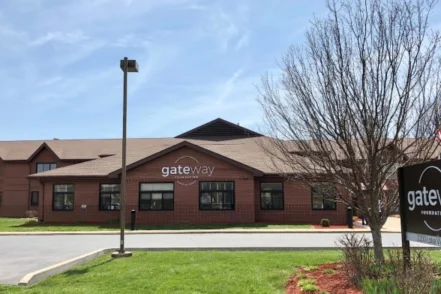
Gateway Foundation
2200 Lake Victoria Drive Springfield, Illinois 62703
-
 Illinois
Preferred Family Healthcare Recovery Resources
428 South 36th Street Quincy, Illinois 62301
-
 Illinois
Footprints To Recovery
411 West River Road, Suite 309 Elgin, Illinois 60123
-
 Illinois
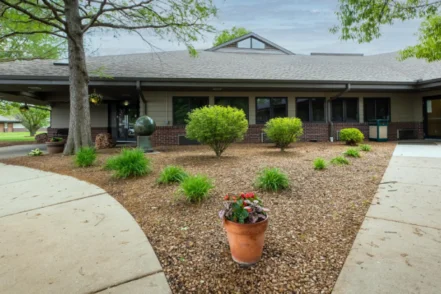
Gateway Foundation
600 West Lincoln Avenue, Caseyville, IL 62232
-
 Illinois
Gateway Foundation Mercy Lane
400 Mercy Lane Aurora, Illinois 60506
-
 Illinois
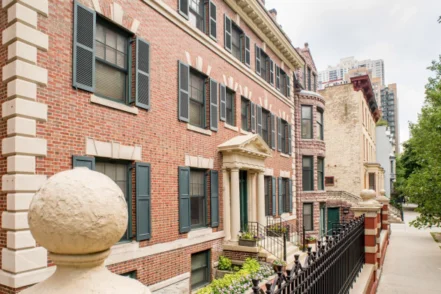
Hazelden Betty Ford Foundation
867 North Dearborn Street, Chicago, IL 60610
-
 Illinois
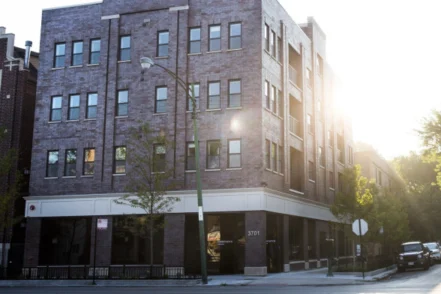
Rosecrance Lakeview Sober Living Residences
3701 North Ashland Avenue, Chicago, IL 60613
-
 Illinois
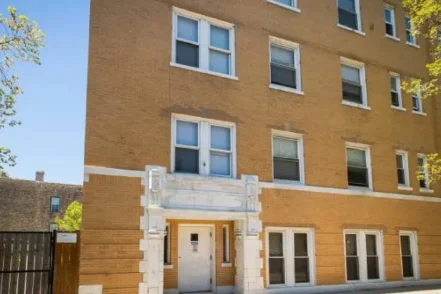
Gateway Foundation Kedzie Recovery Home
1706 North Kedzie Avenue Chicago, Illinois 60647
-
 Illinois
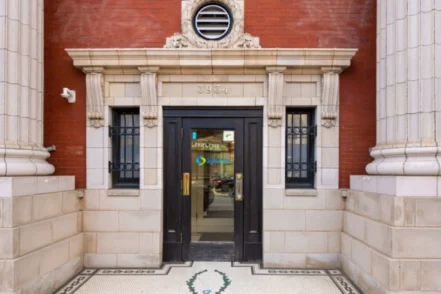
Symetria — Chicago Outpatient Rehab & Suboxone Clinic
3934 North Lincoln Avenue, Chicago, IL 60613
-
 Illinois
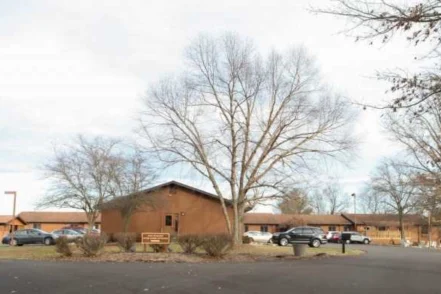
Centerstone Fellowship House Campus
800 North Main Street Anna, Illinois 62906
-
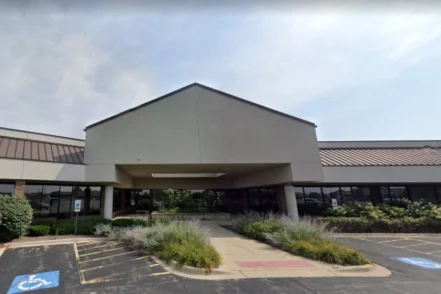 Illinois
Mathers Recovery Elgin
420 Airport Road, C, Elgin, IL 60123
-
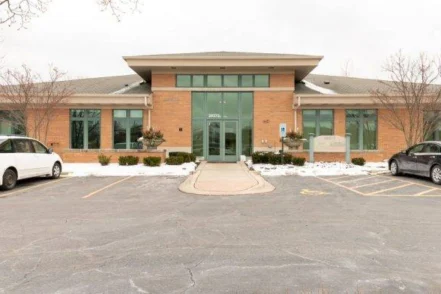 Illinois
Symetria Recovery Naperville Warrenville
28373 Davis Parkway, Suite 500 Warrenville, Illinois 60555
-
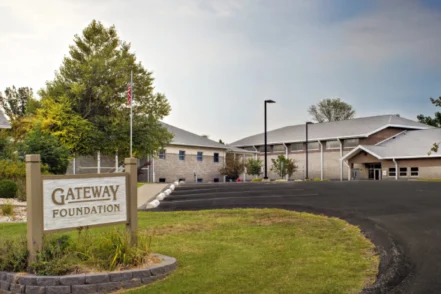 Illinois
Gateway Foundation – Carbondale
1080 East Park Street, Carbondale, IL 62901
-
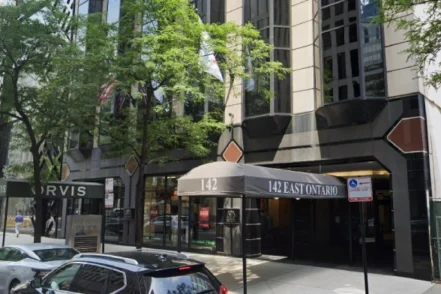 Illinois
Positive Sobriety Institute
142 East Ontario Street, Suite 1000, Chicago, IL 60611
-
 Illinois
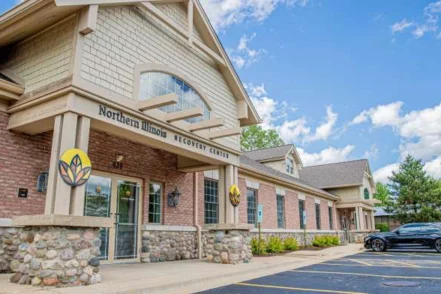
Northern Illinois Recovery Center
620 N State Route 31, Crystal Lake, IL 60012
Other Popular Illinois Cities
Browse by Illinois cities
- Cairo
- Calumet City
- Canton
- Carbondale
- Carlinville
- Carlyle
- Carmi
- Carol Stream
- Carpentersville
- Carrollton
- Carterville
- Carthage
- Cary
- Caseyville
- Centralia
- Champaign
- Charleston
- Chester
- Chicago
- Chicago Heights
- Chicago Ridge
- Chillicothe
- Cicero
- Cissna Park
- Clifton
- Clinton
- Collinsville
- Crest Hill
- Crete
- Crystal Lake