
Minority Mental Health Month Spotlights Care Gaps
Published July 6, 2026

July’s National Minority Mental Health Month is turning attention to the gaps in mental health treatment that leave many communities of color waiting longer for care. For families navigating mental health conditions and addictions, the observance reminds us all why comprehensive, culturally responsive treatment matters.
The 2026 observance lands as the CDC continues to warn about a mental health crisis in the United States. The urgency sharpens the question of who is most affected and who keeps waiting for care.
Mental Health Equity Matters
The observance grew out of the advocacy of author Bebe Moore Campbell, who worked to raise awareness that Black communities and other communities of color face distinct mental health needs. It now speaks to African American, Indigenous, Latino, Asian American and Pacific Islander communities. Many of these folks encounter structural racism, language barriers and the effects of trauma. Advocates are urging organizations to use community voices and deliver culturally sensitive care.
Connecting Mental Health with Addictions
Mental health and substance use often travel together. When anxiety, depression or trauma go untreated, some people turn to alcohol or drugs to cope, which can deepen both conditions. That overlap is known as dual diagnosis, or co-occurring disorders, and it is common enough that behavioral health providers screen for it routinely.
When care is hard to reach or not culturally responsive, both sides of that overlap can go untreated.
Dual Diagnosis and Treatment Approaches
Co-occurring disorders describe a mental health condition and a substance use disorder occurring at the same time, afflicting all age groups and veterans alike. Treating only one tends to leave the other to undermine progress, and those who self-medicate often don’t see positive results. Providers who share a patient’s language or cultural background can make that care easier to start and stick with.
Comprehensive care can take place in residential or outpatient settings and often blends evidence-based therapies such as behavioral therapy to address mental conditions like trauma that can lead to substance abuse. If appropriate, medications may also be prescribed to assist with cravings and withdrawals. The observance also highlights practical levers, from providers who speak patients’ languages to the role of faith and community groups in connecting people to help.
Comprehensive Care Available
Families can look specifically for behavioral treatment centers offering culturally responsive care and confirm how a program coordinates mental health and addiction services.
A good starting point is The Treatment Centers Directory. We feature a searchable database of verified locations across the country. These centers can help people find mental health treatment facilities and dual diagnosis programs that treat co-occurring disorders. Or, dial 800-908-4823 (Sponsored) to speak with an expert.
Author

Courtney Myers, MS
Read Bio
Courtney Myers has more than 15 years of experience in online writing and editing. Since graduating from N.C. State University with an MS in Technical Communication, she’s helped clients improve their visibility and reach through expert-level content creation. She specializes in addiction recovery and behavioral healthcare topics.
Editor

Peter Lee, PhD
Read Bio
Peter W.Y. Lee is a writer and historian of American history during the Cold War. His primary focus is the relationship between youth and popular culture and its impact on U.S. society during the twentieth century. He has published widely on how the public has used popular culture as a mechanism to address political and social shifts throughout time
Articles About Alcohol & Treatment

Federal Homelessness Policy Shifts From Housing to Treatment
Federal Homelessness Policy Shifts From Housing to Treatment Published September 1, 2026 Federal homelessness policy is being rebuilt around co-occurring disorders. In August 2026, the Department of Health and Human Services, the Office of National Drug Control Policy and the Department of Housing and Urban Development introduced a “Treatment First” model. This effort puts addiction…

Virginia Mobile Crisis Response Faces Medicaid Coverage Cut
Virginia Mobile Crisis Response Faces Medicaid Coverage Cut Published September 1, 2026 Virginia’s mobile crisis response coverage for Medicaid members is set to shrink and a companion service that catches people after a crisis might lose funding entirely. The Old Dominion has a robust line of services for anyone battling addictions. But those most vulnerable…

Poor Mental Health Linked to Higher Drug Use Disorder Odds
Poor Mental Health Linked to Higher Drug Use Disorder Odds Published August 31, 2026 Anyone who’s looked for behavioral health care while managing a substance problem and a mental health condition knows the system tends to treat them as separate diagnoses. New survey research on co-occurring disorders adds to the case that they’re one problem…
Browse Treatment Centers by State
-
 Ohio
OhioHispanic Urban Minority
3387 Fulton Road Cleveland, Ohio 44109
Treatment Programs
- Alcohol Rehab
- Opioid Addiction
- Drug Rehab
- +4
-
 Illinois
A Safe Haven
2750 Roosevelt Road, Chicago, IL 60608
Treatment Programs
- Alcohol Rehab
- Opioid Addiction
- Drug Rehab
- +4
-
 Massachusetts
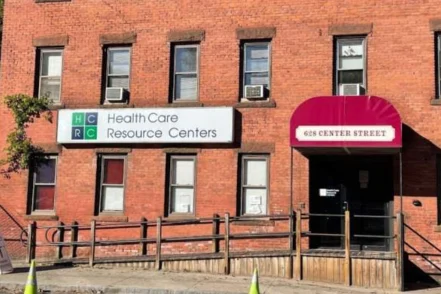
Community Health Care Chicopee
628 Center Street Chicopee, Massachusetts 01013
Treatment Programs
- Opioid Addiction
- Drug Rehab
- Adult Program
- +3
-
 Illinois
Presence Behavioral Health Chicago
5645 W. Addison Street Chicago, Illinois 60624
Treatment Programs
- Alcohol Rehab
- Dual Diagnosis
- Opioid Addiction
- +4