
Global Mental Health Crisis Signals Growing Treatment Need in the U.S.
Published June 1, 2026

A landmark new study reveals that mental disorders now affect nearly 1.2 billion people worldwide. For Americans already struggling with addiction, the findings carry urgent implications for dual diagnosis treatment and comprehensive behavioral health care.
The research found that nearly 1.2 billion people worldwide had a mental disorder in 2023, marking a 95.5% increase since 1990. The findings aren’t just a global headline; they reflect a deepening mental health crisis that plays out across the United States.
The Global Numbers and Mental Health Treatment in the US
Anxiety and depression saw the steepest increases among all 12 disorders studied and were the most common conditions recorded in 2023. Researchers tracked trends across 204 countries and territories and warned that the world may be entering an even more concerning phase of worsening mental disorder burden globally.
In the U.S., the picture is similarly sobering. According to the National Survey on Drug Use and Health, over 23% of U.S. adults — 61.5 million people — experienced mental health conditions in 2023. And while awareness has grown, treatment access has not kept pace.
Mental disorders increasingly segue to disabilities, with females and people between the ages of 15 and 39 most affected. Notably, the peak burden now falling in the 15-to-19-year-old age group is a first in the study’s history.
The Mental Health and Addiction Connection
What often goes undiscussed in coverage of these global trends is how closely mental illness and substance use disorders are intertwined. In the United States, approximately 21.2 million adults had co-occurring mental and substance use disorders. People with mental illness are at a higher risk of developing a substance use disorder, sometimes in a failed attempt to treat their conditions through self-medication.
Across the country, nearly 45% of persons with a substance use disorder also experience mental illness. Depression and anxiety are also among the most common disorders seen in folks with addiction, even seniors.
CDC data further underscores the deadly stakes: in 2022, 22% of people who died from drug overdose had a documented non-substance-related mental health disorder, with the most common being depression and anxiety.
In most cases, drugs and depression are part of the same crisis, and they demand integrated care.
Understanding Dual Diagnosis Treatment
When a person lives with both a mental health condition and a substance use disorder, treating only one condition while ignoring the other dramatically increases the risk of relapse and deteriorating mental health.
Effective dual diagnosis treatment addresses both conditions simultaneously through integrated, evidence-based care. That means depression treatment and addiction recovery happen in the same program and with the same clinical team.
Experts note that before the COVID-19 pandemic, rates of mental health disorders were already climbing. During and since the crisis, depression increased further and has not returned to pre-pandemic rates for many population groups, while anxiety peaked and remained elevated through 2023. For people with pre-existing vulnerability to addiction, that sustained mental health burden is a significant risk factor.
Treatment Approaches for Co-Occurring Disorders
Comprehensive behavioral health care for co-occurring disorders typically includes a range of therapies and individualized treatment planning. The most effective approaches include:
- Behavioral therapy: Helps patients identify and change negative thought patterns driving both substance use and mental health symptoms.
- Trauma-Informed Care — Critical for those whose mental health disorders are rooted in adverse experiences, which frequently co-occur with addiction.
- Medication-assisted treatment (MAT) — Can address both psychiatric symptoms and physical dependence when clinically appropriate via careful management.
- Residential treatment — For moderate-to-severe dual diagnosis cases, inpatient centers provide round-the-clock integrated care in a structured environment.
- Intensive outpatient programs (IOP) — Step-down or primary care options that allow patients to engage in mental health and addiction treatment while maintaining daily responsibilities.
Comprehensive Dual Diagnosis Treatment
The study’s authors were clear: reducing stigma has helped more people come forward to seek help rather than suffering in silence. But seeking help only works if the right treatment is available and accessible.
For the millions of Americans navigating both mental illness and substance use, mental health treatment facilities that specialize in co-occurring disorders offer the most effective path to recovery.
Those with mental health and addiction together, shouldn’t wait. Call 800-908-4823 (Sponsored) to speak with a specialist or browse our directory to find treatment options and mental health treatment facilities anywhere in the country.
Author

Quentin Blount
Read Bio
Quentin brings nearly a decade of experience as a writer, editor, and digital publisher to his role as Content Manager for Rehab.com. He aims to help people better understand their treatment options by creating engaging and informative content that is user-friendly, factually accurate, and optimized for search engine visibility. In his free time, Quentin enjoys the company of his friends, family, and his dog, Coop.
Editor

Peter Lee, PhD
Read Bio
Peter W.Y. Lee is a writer and historian of American history during the Cold War. His primary focus is the relationship between youth and popular culture and its impact on U.S. society during the twentieth century. He has published widely on how the public has used popular culture as a mechanism to address political and social shifts throughout time
Articles About Alcohol & Treatment
Psilocybin Study Offers Clues for Dual Diagnosis Care
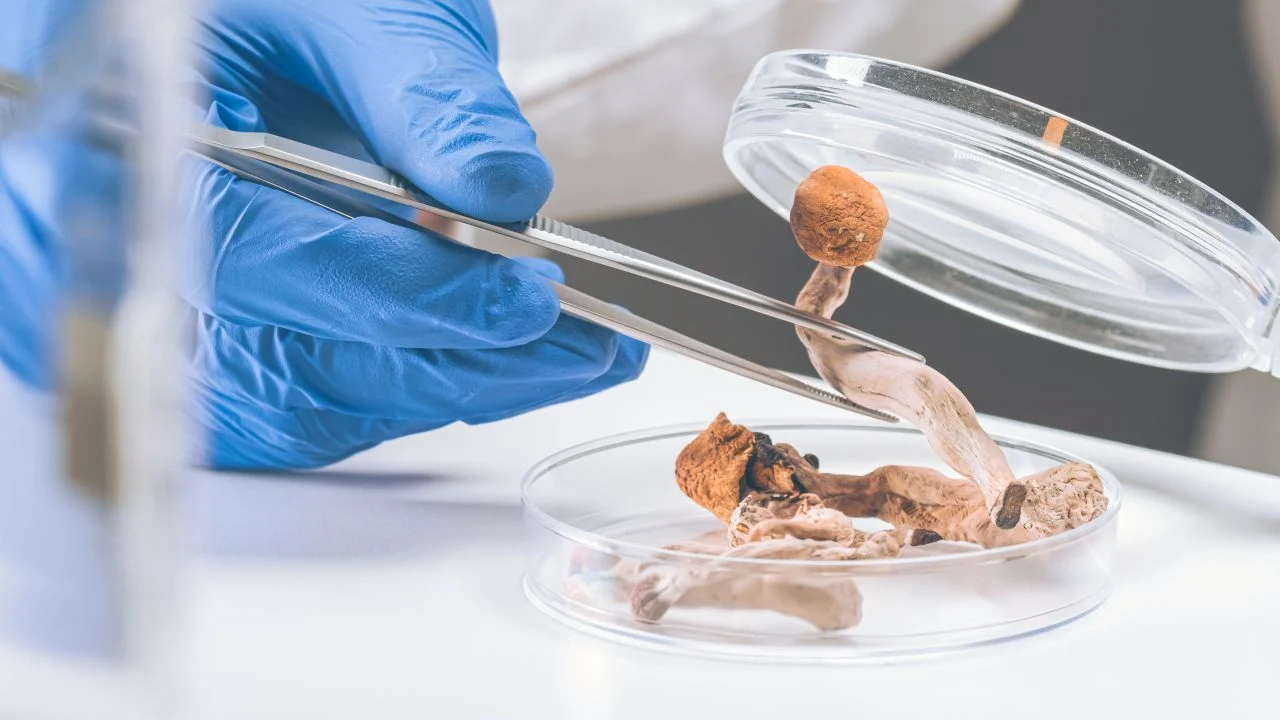
Psilocybin Study Offers Clues for Dual Diagnosis Care Published July 24, 2026 A single dose of psilocybin, the psychedelic compound in magic mushrooms, may produce measurable brain changes that last for a month, according to new research from UC San Francisco and Imperial College London. While the study enlisted healthy adults without diagnosed mental health…

Nicotine Use Tied to Teen Anxiety and Depression Risk
Nicotine Use Tied to Teen Anxiety and Depression Risk Published July 24, 2026 Adolescents who use nicotine, whether through cigarettes, vapes or nicotine pouches, are more likely to report anxiety, depression, and other mental health symptoms than peers who don’t. New research out of the University of Gothenburg pointed out that girls appear especially vulnerable.…

Unpredictable Childhoods Linked to Later Mental Illness
Unpredictable Childhoods Linked to Later Mental Illness Published July 23, 2026 A large new study out of Orange County, California, adds to what researchers understand about childhood adversity and mental health. Even though states like California already have many treatment options for people of all ages, these findings carry implications for how facilities approach dual…
Browse Treatment Centers by State
-
 Pennsylvania
Global Health and Recovery Services
3229 Kensington Avenue, Philadelphia, PA 19134
Treatment Programs
- Dual Diagnosis
- Alcohol Rehab
- +-1
-
 Wisconsin
Ascension All Saints Hospital – Wisconsin Avenue Campus
1320 Wisconsin Avenue, Racine, WI 53403
Treatment Programs
- Alcohol Rehab
- Dual Diagnosis
- Opioid Addiction
- +4
-
 Arizona
5A – Alcoholism & Addiction Assistance Association
4430 North 23rd Avenue, Phoenix, AZ 85015
Treatment Programs
- Alcohol Rehab
- Opioid Addiction
- Drug Rehab
- +3
-
 Washington
Yakama Nation Comprehensive Community Alcoholism
20 Gunnyon Road Toppenish, Washington 98948
Treatment Programs
- Alcohol Rehab
- Opioid Addiction
- Drug Rehab
- +4