
Pacific Islanders Face Barriers to Mental Health Treatment
Published April 16, 2026

Pacific Islander communities are less likely to seek mental health treatment than any other demographic group in the United States, according to new research from Brigham Young University. The findings point to a layered set of systemic, economic, and cultural obstacles that leave this underserved population without access to the behavioral health care they need.
The BYU Research Behind the Numbers
From 2018 to 2025, BYU Associate Professor Kawika Allen led the Polynsian Psychology Team on field research trips across the South Pacific. The team visited New Zealand, Fiji, Hawaii, Samoa, and the Marshall Islands to document mental health challenges facing Pacific Island communities firsthand.
Allen’s connection to the work is personal. He grew up in Hawaii, and his mother is part Tongan and native Hawaiian. While The Aloha State boasts a blend of holistic and traditional programs on each island, several factors limit availability and access..
Here’s where Poly Psy comes in. “There’s this personal passion around it,” Allen noted, “and also the desire to reach out and serve my community, where no services, hardly at the time, were offered or available.”
The phrase “no services were available” is key. Allen’s team identified rising rates of suicidal ideation, self-harm behaviors, a critical shortage of trained therapists, and stigma around seeking professional help. These combined forces create a gap that no single intervention can close.
Systemic and Economic Obstacles to Care
The shortage of trained mental health providers in Pacific Island regions isn’t accidental. It reflects a history of underinvestment in behavioral health infrastructure in these underserved communities. Many islands have few or no licensed therapists. Residents who need care may face long travel distances even with telehealth, not to mention a near-complete absence of residential treatment centers or outpatient mental health facilities nearby.
Economic barriers compound the problem. Pacific Islander communities in island regions and diaspora populations in Salt Lake County in Utah and cities throughout Southern California-–many of which the local treatment centers highlight unique amenities befitting SoCal and Beehive lifestyles—face higher rates of poverty and lower rates of health insurance coverage. Without Medicaid access or employer-sponsored insurance, mental health treatment is simply out of reach for many families. Even when coverage exists, finding behavioral health providers who understand the population’s needs is its own challenge.
For individuals managing co-occurring disorders, the absence of dual diagnosis treatment options in these communities means conditions go unaddressed and often worsen over time.
Cultural Stigma as a Compounding Factor
Systemic gaps widen when cultural stigma discourages individuals from seeking help in the first place. Allen’s research found that many Pacific Islanders, especially young people, hesitate to pursue mental health treatment out of concern that doing so might reflect poorly on their family. “They may not necessarily want to seek out help if it might bring shame or a negative view on the family or themselves,” Allen observed.
This dynamic is not a character flaw. Rather, it’s a traditional mindset where mental illness has long been misunderstood and asking for outside help feels like an admission of weakness or failure. When stigma, provider shortages, and a lack of low-cost programs all operate at once, the result is a population suffering largely in silence.
Culturally Responsive Mental Healthcare
The Poly Psi Team’s research also produced a practical framework for making behavioral health care more accessible and effective for Pacific Islander individuals. Cultural response therapy embeds local and holistic practices into treatment rather than expecting patients to adapt to a standard Western clinical model.
One practice Allen highlighted is “talk story.” This is an unhurried, relationship-building style of conversation that helps establish trust before clinical work begins. Other adaptations include beginning sessions with prayer, speaking the patient’s indigenous language when possible, and incorporating discussions of ancestors and family lineage into therapy.
“Trust and respect in that community is very significant and important for us to establish,” Allen noted, “so it takes time to do that.”
These aren’t surface-level adjustments. Research consistently shows that treatment engagement improves when the care model reflects a patient’s identity, values, and lived experience. This is particularly true for populations that tend to distrust institutional health systems.
Finding Comprehensive Mental Health Treatment
The BYU findings are a call to action for the behavioral health field: provider shortages, insurance gaps, and culturally mismatched care models aren’t inevitable. They’re systemic problems with systemic solutions.
In the meantime, treatment options do exist for Pacific Islander individuals and families ready to take that step. If you or someone you love has mental health challenges, help is available. Call 800-908-4823 (Sponsored) or look for nearby programs that incorporate cultural practices befitting your background and experiences to make up comprehensive culturally-informed care.
Author

Nikki Wisher, BA
Read Bio
Nikki Wisher is an Atlanta-based content writer who specializes in health and wellness. After earning her BA in English, she has been writing in the health and wellness space for over a decade, with credits ranging from addiction recovery to fitness to aesthetics and skin care. This includes her inclusive running blog forallrunners.com.
Editor

Peter Lee, PhD
Read Bio
Peter W.Y. Lee is a writer and historian of American history during the Cold War. His primary focus is the relationship between youth and popular culture and its impact on U.S. society during the twentieth century. He has published widely on how the public has used popular culture as a mechanism to address political and social shifts throughout time
Articles About Alcohol & Treatment

Rural Maine Raffle Backs Mental Health Treatment Facilities
Rural Maine Raffle Backs Mental Health Treatment Facilities Published October 22, 2026 The proceeds from a raffle in Maine went to mental health facilities in Aroostook County to assist rural residents who don’t have resources. The 5th Annual Fall Spectacular was sponsored by the Center for Advancement of Rural Living in Caribou and directed every…

Ohio Drug Court Graduates Credit Dual Diagnosis Treatment
Ohio Drug Court Graduates Credit Dual Diagnosis Treatment Published October 21, 2026 Three men graduated from Fulton County Drug Court this month with more than a certificate. Scott Ward, Michael Burch and Mathias Petersen left the program employed and two had more than two years of sobriety under their belts. Each story also reflected the…

Substance Abuse Treatment Expands Across Eight Alabama Prisons
Substance Abuse Treatment Expands Across Eight Alabama Prisons Published October 20, 2026 Out in Alabama, Governor Kay Ivey has awarded $280,806 to the Alabama Department of Corrections to fund the Residential Substance Abuse Treatment program in eight state jails for 12 months. These facilities include Julia Tutwiler Prison for Women and William E. Donaldson Correctional…
Browse Treatment Centers by State
-
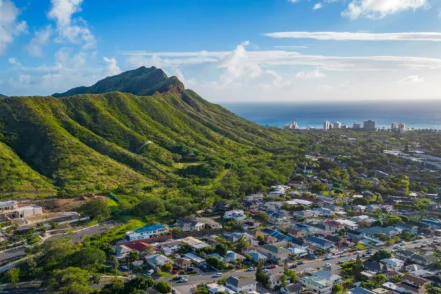 Hawaii
Hawaii Health & Harm Reduction Center
677 Ala Moana Boulevard, 226, Honolulu, HI 96813
Treatment Programs
- Dual Diagnosis
- Alcohol Rehab
- Opioid Addiction
- +2
-
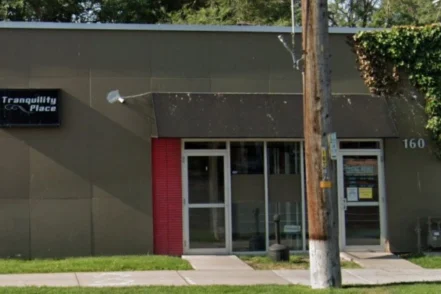 Utah
UtahTranquility Place of Utah
160 East 800 South, Suite B Salt Lake City, Utah 84111
Treatment Programs
- Alcohol Rehab
- Opioid Addiction
- Drug Rehab
- +4
-
 California
Psychiatric Centers At San Diego Encinitas
328 Encinitas Blvd, Suite 100 Encinitas, California 92024
Treatment Programs
- Alcohol Rehab
- Dual Diagnosis
- Opioid Addiction
- +6
-
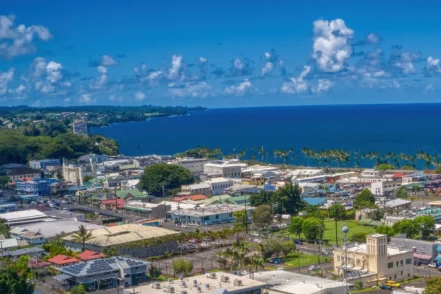 Hawaii
HOPE Services Hawaii, Inc.
357 Waianuenue Avenue, Hilo, HI 96720
Treatment Programs
- Alcohol Rehab
- Dual Diagnosis
- Opioid Addiction
- +3