
Cherokee Nation Launches Mental Health Treatment Court in Oklahoma
Published May 18, 2026
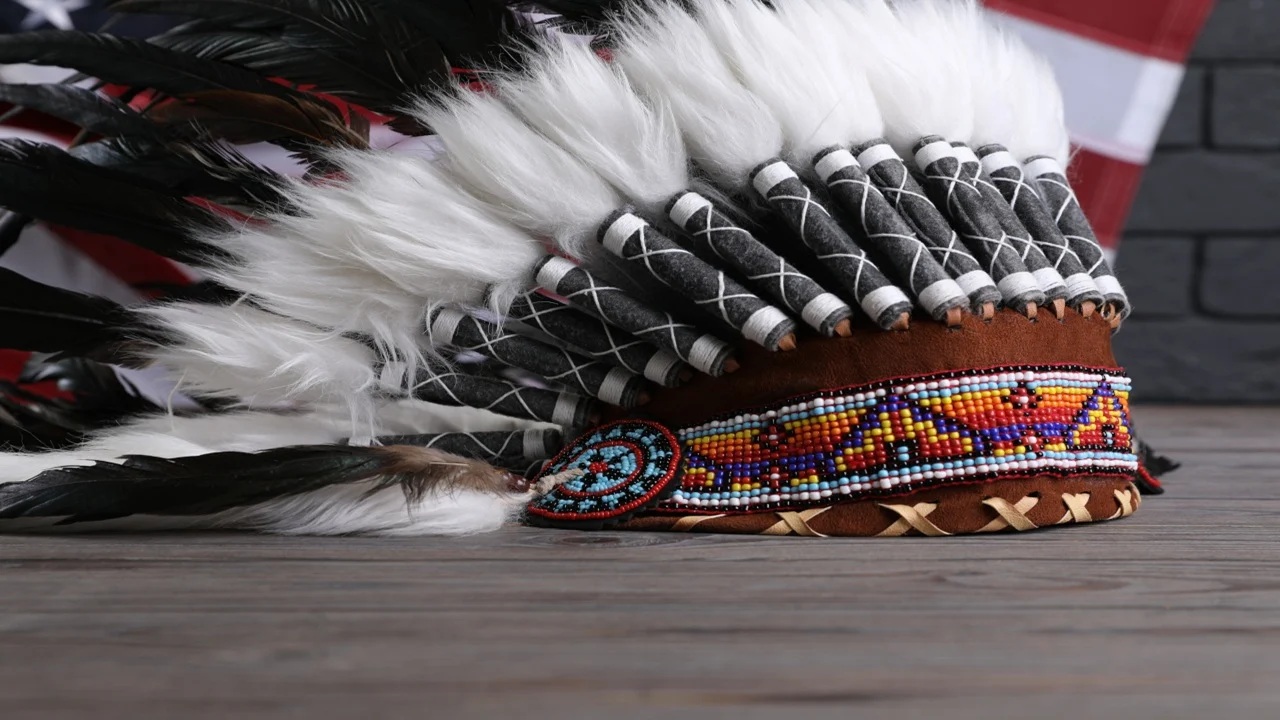
The Cherokee Nation has launched a new mental health treatment court in Oklahoma to offer dual diagnosis treatment and structured supervision as an alternative to incarceration for eligible nonviolent offenders. Announced during Mental Health Awareness Month by Principal Chief Chuck Hoskin, Jr., the program provides treatment and supervision in place of traditional jail sentences.
While Oklahoma already boasts many mental and behavioral health facilities, the court marks a significant step toward addressing the behavioral health and substance use issues that frequently drive people into the justice system. Far too often, these vulnerable populations have few resources, which makes unhealthy coping mechanisms like drug use all the more prevalent.
The Cherokee Nation Mental Health Treatment Court
The court is designed for justice-involved Cherokee Nation citizens with mental health or substance use issues. Rather than serving a traditional sentence, qualifying participants enter a structured care program while remaining under court oversight.
Backed by federal funding, the mental health treatment court offers an alternative to traditional sentencing. After an eval and enrollment, they comply with treatment plans, attend court check-ins and meet orders set by the judge.
Hoskin framed the program as a response to a gap that incarceration alone cannot fill, especially given the shortage of trained professionals across the country. “They may end up being incarcerated,” he observed, “but they may not end up getting the sort of mental health treatment that is really at the root of their behavior.”
Dual Diagnosis Care at the Heart of the Program
Many people who cycle through the justice system live with co-occurring disorders. They face both a mental health condition and a substance use disorder at the same time. This is sometimes called a dual diagnosis, and it requires integrated behavioral treatment that addresses both issues simultaneously rather than treating them in isolation.
Cherokee Nation leaders learned that many of their nonviolent offenders likewise had untreated mental illness or substance use disorders. The new court directly responds to that pattern by routing eligible participants into mental health treatment rather than simply returning them to jail.
The program’s graduated incentives and sanctions model reflects many evidence-based approaches used in dual diagnosis treatment facilities nationwide and rewards progress while maintaining accountability.
Cultural Connection as Part of Comprehensive Care
One element that distinguishes this court from standard behavioral treatment centers is its emphasis on culturally grounded healing. Studies have shown that the local environment shapes mental health disorders and the care people receive. In this case, officials do more than administer clinical care. The program connects participants to support rooted in Cherokee traditions.
The Nation wants to weave cultural practices into more conventional treatment approaches, Hoskins pointed out. He added, “Cherokee people have a hunger to connect with their own culture.” In this respect, the Cherokees join the Citizen Potawatomi Nation, also based in Oklahoma, who have sponsored mental health clinics for their community. Indeed, research consistently shows that culturally responsive care can improve engagement in mental health and addiction treatment, particularly in Indigenous communities.
A Broader Behavioral Health System
The mental health treatment court builds on existing Cherokee Nation justice initiatives. These include the Veterans Treatment Court, the Juvenile Healing to Wellness Court and reentry programs. With aftercare programs in place, they aim to reduce repeat offenses when the participant is no longer in custody.
Tribal leaders say the main goal is to reduce repeat offenses and improve public safety for all members of the Cherokee Nation Reservation. They hope the program encourages citizens to seek behavioral health support before entering the justice system in the first place.
The Cherokee Nation’s new court reflects a growing recognition in both tribal and state systems that mental health treatment facilities must offer more than traditional counseling. Effective residential treatment centers and intensive behavioral treatment centers now routinely incorporate dual diagnosis treatment to go beyond substance use disorders.
For Oklahomans who need comprehensive mental health treatment outside the justice system, options include:
- Residential treatment centers offering 24-hour structured care for co-occurring disorders
- Outpatient mental health treatment facilities with individual and group therapy, including cognitive (CBT) and dialectical behavior therapies (DBT)
- Dual diagnosis programs that treat addiction and mental illness together with integrated, evidence-based care
- Medication management for conditions such as depression, anxiety or bipolar disorder that co-occur with substance use
If you or a family member needs help navigating mental health treatment facilities or dual diagnosis programs in Oklahoma or nationwide, act now, before the cycle worsens. Browse our comprehensive directory or call 800-908-4823 (Sponsored) to speak with a treatment specialist.
Author

Terri Beth Miller, PhD
Read Bio
Terri Beth received her PhD in English literature from the University of Tennessee Knoxville and is an educator and disability studies scholar. For more than a decade, she has written extensively in the fields of mental health and addiction recovery and fiercely advocates for the destigmatization of mental illness.
Editor

Peter Lee, PhD
Read Bio
Peter W.Y. Lee is a writer and historian of American history during the Cold War. His primary focus is the relationship between youth and popular culture and its impact on U.S. society during the twentieth century. He has published widely on how the public has used popular culture as a mechanism to address political and social shifts throughout time
Articles About Alcohol & Treatment
Federal Homelessness Policy Shifts From Housing to Treatment
Federal Homelessness Policy Shifts From Housing to Treatment Published September 1, 2026 Federal homelessness policy is being rebuilt around co-occurring disorders. In August 2026, the Department of Health and Human Services, the Office of National Drug Control Policy and the Department of Housing and Urban Development introduced a “Treatment First” model. This effort puts addiction…

Virginia Mobile Crisis Response Faces Medicaid Coverage Cut
Virginia Mobile Crisis Response Faces Medicaid Coverage Cut Published September 1, 2026 Virginia’s mobile crisis response coverage for Medicaid members is set to shrink and a companion service that catches people after a crisis might lose funding entirely. The Old Dominion has a robust line of services for anyone battling addictions. But those most vulnerable…

Poor Mental Health Linked to Higher Drug Use Disorder Odds
Poor Mental Health Linked to Higher Drug Use Disorder Odds Published August 31, 2026 Anyone who’s looked for behavioral health care while managing a substance problem and a mental health condition knows the system tends to treat them as separate diagnoses. New survey research on co-occurring disorders adds to the case that they’re one problem…
Browse Treatment Centers by State
-
 Oklahoma
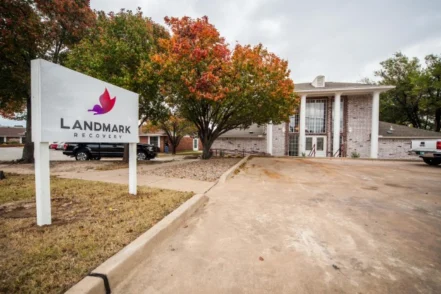
Landmark Of Oklahoma City
2412 N. Ann Arbor Oklahoma City, Oklahoma 73127
Treatment Programs
- Alcohol Rehab
- Drug Rehab
- Adult Program
- +3
-
 Alabama
Cherokee County Alcoholism Centre
201 South River Street Centre, Alabama 35960
Treatment Programs
- Alcohol Rehab
- Opioid Addiction
- Drug Rehab
- +4
-
 Iowa
IowaChoices Therapy Services Indianola
1011 N Jefferson Way, Suite 800 Indianola, Iowa 50125
Treatment Programs
- Alcohol Rehab
- Dual Diagnosis
- Opioid Addiction
- +4
-
 California
Good Samaritan Shelter Recovery Point
245 East Inger Drive, Suite 103 Santa Maria, California 93454
Treatment Programs
- Alcohol Rehab
- Dual Diagnosis
- Opioid Addiction
- +4