
Study Finds Marijuana Doesn’t Treat Mental Health Conditions
Published April 17, 2026
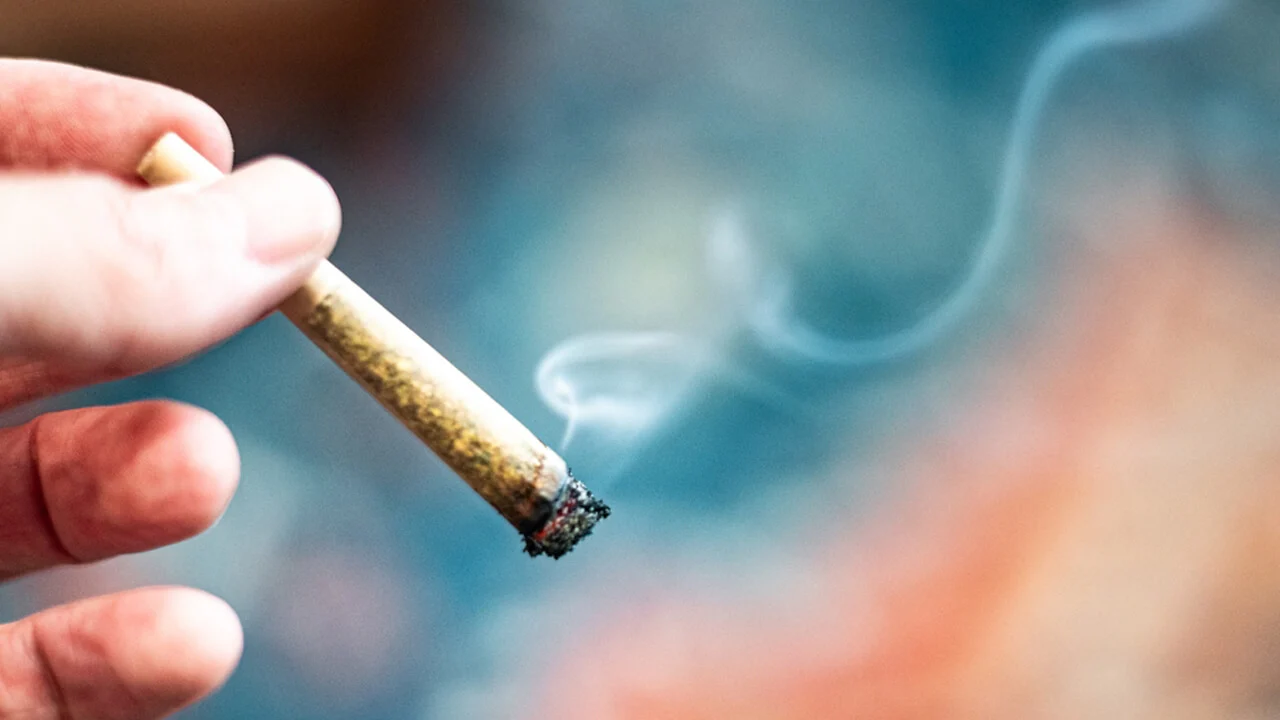
Millions of Americans use marijuana hoping it’ll ease anxiety, depression, or PTSD. But two major new studies confirm it simply doesn’t work as a mental health treatment. For people living with co-occurring mental health and substance use disorders, the findings carry serious implications for how they seek and receive care.
What the Research Found About Mental Health Treatment
Researchers at the University of Sydney’s Matilda Centre for Research in Mental Health and Substance Use found no evidence that any form of cannabis is effective in treating depression or post-traumatic stress disorders. These conditions afflict many people who’ve experienced trauma may have, including veterans. The research also found marijuana ineffective for anorexia nervosa, bipolar disorder, OCD, and psychotic disorders such as schizophrenia.
The Sydney study analyzed 54 randomized trials in the past 40 years. Postdoctoral research fellow and the study’s lead author Jack Wilson noted that in many cases, cannabis medications were taken orally via capsules, sprays, or oils. He added that many people also smoke cannabis, for which there’s even less evidence of mental health effectiveness.
A companion paper reached similar conclusions. Dr. Deepak Cyril D’Souza of the Yale Center for the Science of Cannabis and Cannabinoids agreed that there’s no evidence to recommend cannabis or cannabis derivatives for treating mental health conditions, Yet, nearly every U.S. state approves medical marijuana for such uses.
The Mental Health and Addiction Connection
Rather than helping, studies contend that marijuana use may be actively harmful to people with behavioral health vulnerabilities. Marijuana use by teens and young adults correlates with increased risks of self-harm and suicide attempts.
But for individuals with family histories of bipolar or psychotic disorders, marijuana use raises the risk of developing a psychotic or mental health disorder. Using it after the onset of a mental condition can worsen cognition and increase the chance of relapse. When someone uses marijuana to self-medicate anxiety or depression, they might end up deepening both conditions.
Despite the lack of proof, nearly 27% of users between the ages of 16 and 65 in the United States and Canada take marijuana for medical purposes. About half use it to manage their mental health.
Today’s Marijuana Poses Greater Risks for Behavioral Health
The THC content in marijuana has skyrocketed from roughly 4% in the 1970s to up to an average of 20% today, with some dispensary products reaching 35% THC and concentrates hitting 80%.
This high-potency cannabis now contributes to a rise in cannabis use disorder. In the U.S., roughly 30% of those who use marijuana develop an addiction. For individuals already taking cannabis to medicate, adding a substance use disorder creates a more complex treatment picture of poly addictions.
Evidence-Based Treatment Approaches That Work
Rather than turn to marijuana, alternatives to medical health conditions exist. Behavioral health professionals typically recommend a combination of medication and therapy tailored to the individual.
For those with depression, for instance, experts generally recommend selective serotonin reuptake inhibitors, or SSRIs. Psychotherapy often accompanies medications via cognitive behavioral therapy in in-person or online formats.
Residential treatment centers that specialize in co-occurring disorders can provide structured, intensive support for individuals whose mental health symptoms have been complicated by substance use — including cannabis use disorder.
Finding Mental Health Treatment Facilities Near You
If you or a loved one has been using marijuana to manage mental health symptoms, clinical and holistic programs can address the underlying conditions safely and effectively. Mental health treatment facilities that specialize in dual diagnosis treatment are equipped to treat mental and substance use disorders together without relying on unproven methods like marijuana.
Search our comprehensive directory for verified dual diagnosis treatment programs, residential treatment centers, and outpatient behavioral health facilities in your area. Call 800-908-4823 (Sponsored) to speak with a specialist about comprehensive mental health and addiction treatment options.
Author

Eric Owens
Read Bio
Eric Owens has been a writer and editor for various businesses as well as his own successful websites. He has extensive experience creating content in the health and wellness space and the sustainability space. He holds a bachelor degree in Philosophy which helped him with presenting complex information in a simple way that all audiences can understand.
Editor

Peter Lee, PhD
Read Bio
Peter W.Y. Lee is a writer and historian of American history during the Cold War. His primary focus is the relationship between youth and popular culture and its impact on U.S. society during the twentieth century. He has published widely on how the public has used popular culture as a mechanism to address political and social shifts throughout time
Articles About Alcohol & Treatment

Ohio Drug Court Graduates Credit Dual Diagnosis Treatment
Ohio Drug Court Graduates Credit Dual Diagnosis Treatment Published October 21, 2026 Three men graduated from Fulton County Drug Court this month with more than a certificate. Scott Ward, Michael Burch and Mathias Petersen left the program employed and two had more than two years of sobriety under their belts. Each story also reflected the…

Substance Abuse Treatment Expands Across Eight Alabama Prisons
Substance Abuse Treatment Expands Across Eight Alabama Prisons Published October 20, 2026 Out in Alabama, Governor Kay Ivey has awarded $280,806 to the Alabama Department of Corrections to fund the Residential Substance Abuse Treatment program in eight state jails for 12 months. These facilities include Julia Tutwiler Prison for Women and William E. Donaldson Correctional…

Washington County, Pennsylvania Symposium Tackles Addiction Treatment
Washington County, Pennsylvania Symposium Tackles Addiction Treatment Published October 20, 2026 About 155 people visited into the Pennsylvania Trolley Museum in Washington but not for history. Rather, the occasion marked the third annual Road to Recovery Symposium in Pennsylvania. It brought together schools, hospitals, rehabs, court and jail personnel, faith groups and county drug and…
Browse Treatment Centers by State
-
 Colorado
Center of Hope
5303 West Kentucky Avenue, Lakewood, CO 80226
Treatment Programs
- Alcohol Rehab
- Dual Diagnosis
- Drug Rehab
- +9
-
 New Mexico
New Mexico Behavioral Health Mora
Highway 518 Mora, New Mexico 87732
Treatment Programs
- Dual Diagnosis
- Young Adult Rehab
- Adult Program
- +3
-
 Maine
MaineMaine Pretrial Services Kennebec County
9 Green Street, Suite 3-A Augusta, Maine 04330
Treatment Programs
- Alcohol Rehab
- Dual Diagnosis
- Opioid Addiction
- +4
-
 Michigan
Detox Help Center Michigan
12840 Hamilton Avenue Highland Park, Michigan 48203
Treatment Programs
- LGBTQ Friendly Rehab
- Adult Program
- Men's Rehab
- +2