
Psilocybin Study Offers Clues for Dual Diagnosis Care
Published July 24, 2026
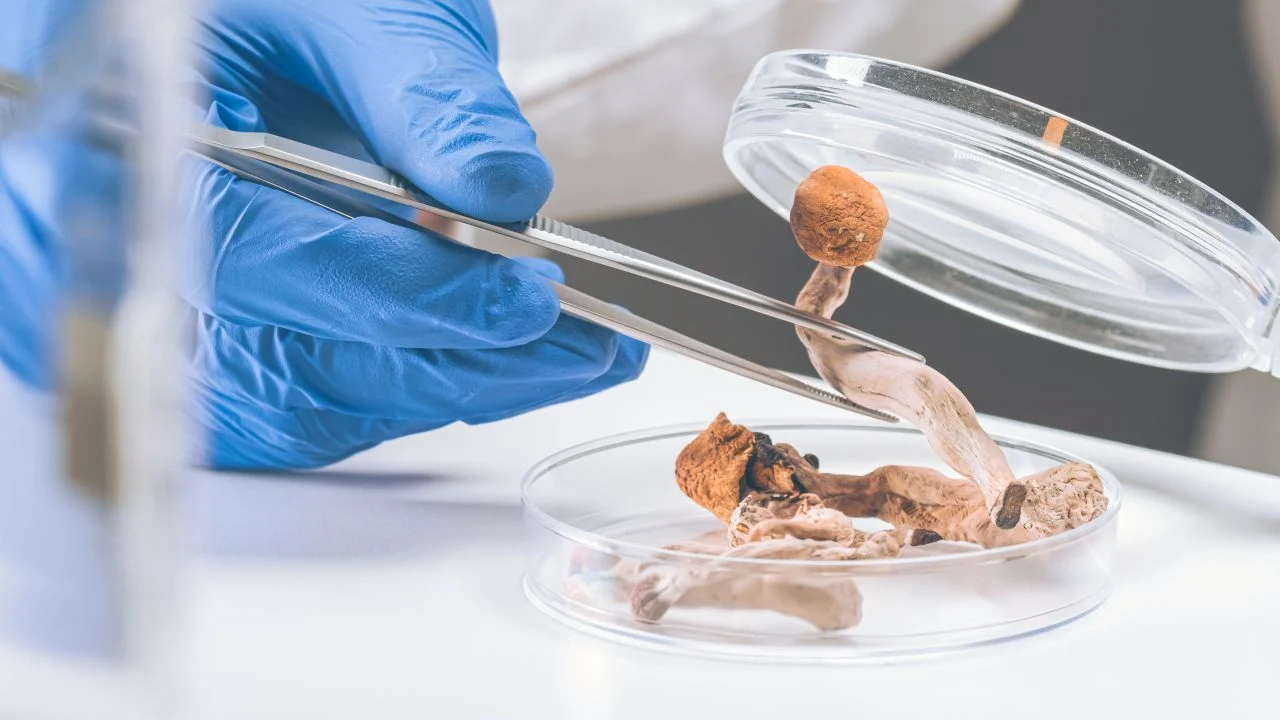
A single dose of psilocybin, the psychedelic compound in magic mushrooms, may produce measurable brain changes that last for a month, according to new research from UC San Francisco and Imperial College London. While the study enlisted healthy adults without diagnosed mental health conditions, the findings hint at why psilocybin has shown therapeutic potential for depression, anxiety, and addiction. These three conditions frequently occur together in dual diagnosis treatment settings.
Magic Mushrooms at Work
The study focused on brain entropy, a measure of how varied and unpredictable brain activity is at any given moment. Within 60 minutes of a 25 milligram dose of psilocybin, participants’ EEG readings showed sharply higher entropy, which suggests the brain is processing a richer, more varied stream of information than usual.
A month later, brain scans using diffusion tensor imaging showed denser, more structurally intact neural pathways connecting the front and middle regions of the brain, the opposite of the pattern typically seen with aging. The researchers then applied the findings for potential treatment options.
Managing Co-Occurring Disorders
People managing both a substance use disorder and a mental health condition like depression or loneliness often find that treating one without the other leads to incomplete results. This is the foundation of dual diagnosis treatment, which addresses both conditions together rather than in isolation.
Senior author Dr. Robin Carhart-Harris reported the findings detailed how psilocybin can be helpful for mental illness in inpatient or outpatient settings. The results point to a shared underlying mechanism, increased brain entropy tied to psychological insight, that may explain psilocybin’s effects across depression, anxiety, and addiction alike.
Participants who experienced the largest jumps in brain entropy during the psilocybin experience also had the greatest likelihood of reporting greater psychological insight the next day. In turn, that insight predicted improved well-being a full month later. Study author Dr. Taylor Lyons described the effect as psilocybin loosening stereotyped patterns of brain activity and giving folks the ability to revise entrenched patterns of thought.
Approaches for Co-Occurring Conditions
Dual diagnosis, also called co-occurring disorders, refers to the presence of simultaneous mental health conditions and substance use disorders in the same indivdiual. Integrated treatment that addresses both conditions simultaneously, rather than treating one first and the other later, is widely considered the standard of care. Common approaches include:
- Cognitive behavioral therapy (CBT) to address distorted thought patterns underlying both conditions in groups and individuals
- Dialectical behavior therapy (DBT) for emotional regulation alongside substance use treatment
- Medication management for psychiatric conditions alongside addiction treatment
- Emerging psychedelic-assisted therapies, still under clinical study, that may offer new options for medication assisted treatment-resistant cases
Psilocybin-assisted therapy remains investigational and isn’t currently a standard treatment option outside of clinical trials or the small number of jurisdictions that have approved limited therapeutic use, such as among veterans. The UCSF and Imperial College London findings add to a growing research base but don’t yet translate into a widely available treatment.
Comprehensive Treatment All Around
If you’re managing a mental health condition alongside a substance use disorder, look for a treatment program that specifically offers integrated dual diagnosis care. Facilities that treat depression and addiction together, or anxiety and substance use together, are generally better equipped to address the ways these conditions interact and reinforce each other.
That’s where we come in. Our browsable directory can help you find mental health treatment facilities and dual diagnosis treatment programs. You can also dial 800-908-4823 (Sponsored) to speak with an expert.
Author

Eric Owens
Read Bio
Eric Owens has been a writer and editor for various businesses as well as his own successful websites. He has extensive experience creating content in the health and wellness space and the sustainability space. He holds a bachelor degree in Philosophy which helped him with presenting complex information in a simple way that all audiences can understand.
Editor

Peter Lee, PhD
Read Bio
Peter W.Y. Lee is a writer and historian of American history during the Cold War. His primary focus is the relationship between youth and popular culture and its impact on U.S. society during the twentieth century. He has published widely on how the public has used popular culture as a mechanism to address political and social shifts throughout time
Articles About Alcohol & Treatment
Psilocybin Study Offers Clues for Dual Diagnosis Care
Psilocybin Study Offers Clues for Dual Diagnosis Care Published July 24, 2026 A single dose of psilocybin, the psychedelic compound in magic mushrooms, may produce measurable brain changes that last for a month, according to new research from UC San Francisco and Imperial College London. While the study enlisted healthy adults without diagnosed mental health…

Nicotine Use Tied to Teen Anxiety and Depression Risk
Nicotine Use Tied to Teen Anxiety and Depression Risk Published July 24, 2026 Adolescents who use nicotine, whether through cigarettes, vapes or nicotine pouches, are more likely to report anxiety, depression, and other mental health symptoms than peers who don’t. New research out of the University of Gothenburg pointed out that girls appear especially vulnerable.…

Unpredictable Childhoods Linked to Later Mental Illness
Unpredictable Childhoods Linked to Later Mental Illness Published July 23, 2026 A large new study out of Orange County, California, adds to what researchers understand about childhood adversity and mental health. Even though states like California already have many treatment options for people of all ages, these findings carry implications for how facilities approach dual…
Browse Treatment Centers by State
-
 South Carolina
MUSC Health Florence Medical Center Alcohol and Drug Recovery Services
805 Pamplico Highway Florence, South Carolina 29505
Treatment Programs
- Alcohol Rehab
- Drug Rehab
- +-1
-
 Michigan
KPEP Muskegon
985 E. Barney Muskegon, Michigan 49444
Treatment Programs
- Alcohol Rehab
- Drug Rehab
- Adult Program
- +3
-
 Pennsylvania
Everything Must Change Recovery Center
2454 W Oakdale St, Suite100 Philadelphia, Pennsylvania 19132
Treatment Programs
- Alcohol Rehab
- Dual Diagnosis
- Opioid Addiction
- +3
-
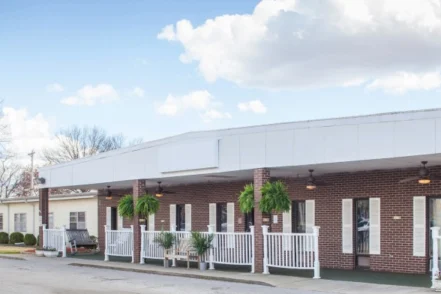 Alabama
Cypress Grove Care & Rehab Center
<p>200 S Alabama St<br /> Muscle Shoals, Alabama 35661</p>
Treatment Programs
- +-3