
Cannabis Use Disorder and Mental Health Risks Alarm Washington Clinicians
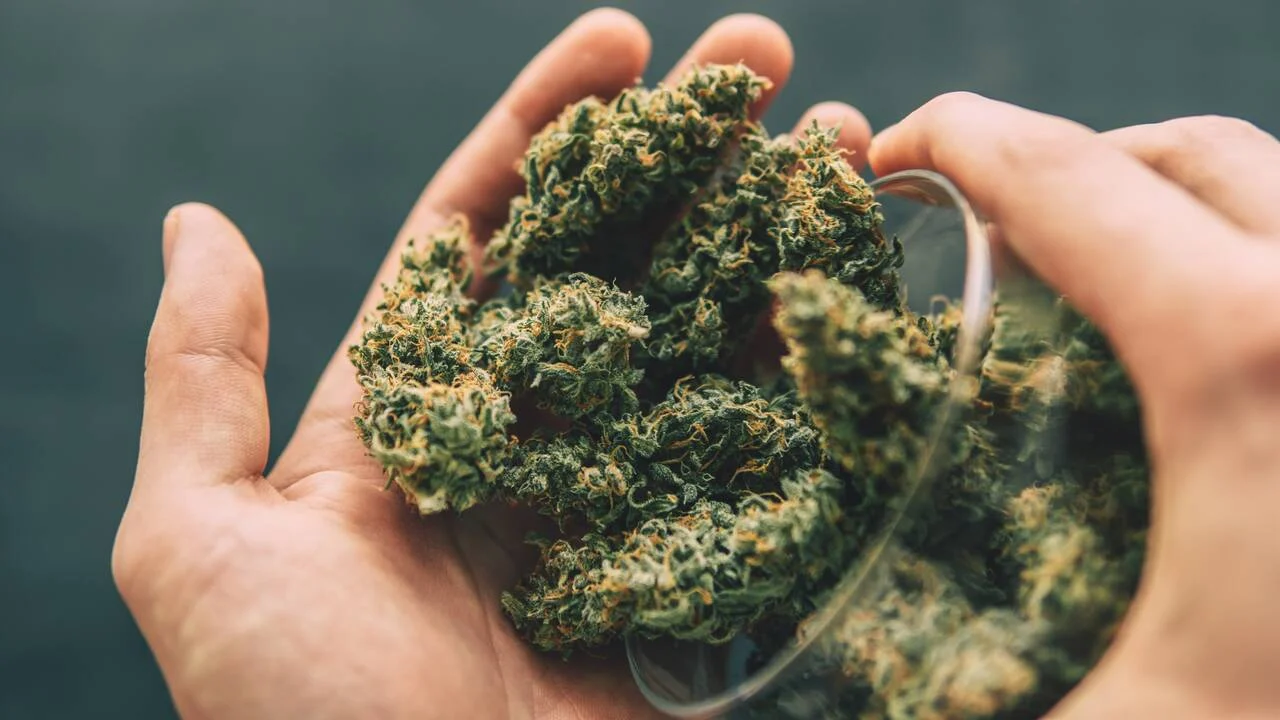
A new survey of Washington state healthcare providers is raising urgent questions about the mental health consequences of cannabis use.
The survey is shining a spotlight on the growing need for dual diagnosis treatment that addresses both substance use and co-occurring behavioral health conditions.
In a survey of nearly 400 Washington state clinicians, more than half expressed strong concern about the mental health risks of cannabis use.
Nearly 20% reported seeing patients with cannabis-related adverse health events two to three times per month. The findings were published in the Substance Use & Addiction Journal.
What Washington Clinicians Are Seeing
The 20-question survey drew responses from 388 doctors, nurses and other healthcare professionals between December 2024 and March 2025.
It focused on clinical experiences with patients who developed health problems from cannabis use after Washington legalized recreational use in 2012.
The conditions clinicians most commonly reported treating include:
- Cannabis hyperemesis syndrome — reported by 70% of clinicians, involving repeated cycles of nausea and severe vomiting leading to dehydration and prolonged emergency department visits.
- Cannabis-use disorder — identified by 65% of respondents, showing signs of addiction or dependency.
- Anxiety — cited by 63% of clinicians as a condition linked to cannabis use.
- Psychosis or hallucinations — reported by 53% of clinicians, with 34% calling this the most serious cannabis-related adverse event they encounter.
These findings are clinically significant not just as individual diagnoses, but because they frequently overlap, precisely the kind of pattern that behavioral treatment centers are designed to address.
The Mental Health and Addiction Connection
What makes the survey’s findings particularly relevant for mental health treatment facilities is the frequency with which cannabis-related problems involve both a substance use component and a psychiatric one.
Anxiety triggered or worsened by cannabis use, cannabis-use disorder developing alongside depression, or psychotic symptoms emerging in someone with an underlying vulnerability.
These are textbook presentations for co-occurring disorders, also known as dual diagnosis.
Dual diagnosis refers to the simultaneous presence of a mental health condition and a substance use disorder.
Research consistently shows that integrated treatment, addressing both conditions together rather than separately, produces significantly better outcomes than treating either condition in isolation.
Yet the Washington survey suggests the healthcare system is not well-equipped to deliver that kind of care.
More than 80% of clinicians surveyed said they would be more likely to screen and intervene if they had established treatment protocols and better referral options for patients.
The lead researcher, Beatriz Carlini, a research associate professor of psychiatry and behavioral sciences at the UW School of Medicine, put it plainly.
She stated, “Cannabis was treated as a secondary, relatively benign substance for such a long time. There are no facilities, treatments or resources specific to cannabis.”
Gaps in Training Point to a System-Level Problem
The survey indicated significant gaps in clinicians’ training. 65.9% reported having slight or no knowledge about how cannabis interacts with other medications.
42.8% reported limited knowledge about cannabis-induced psychoses. Nearly 75% expressed a desire for more training on how to screen for cannabis use and manage related health risks.
Carlini noted that nationally, traditional substance-use treatment providers are already overwhelmed by patients with opioid- and methamphetamine-use disorders, making it less likely that individuals seeking help for cannabis will receive adequate support.
She described the situation as “a systemwide lack of response to a drug that has become more potent and more available.”
This treatment gap underscores why residential treatment centers and outpatient behavioral health programs with dual diagnosis capabilities are increasingly essential.
When primary care providers lack the training and referral pathways to help patients with cannabis-related mental health problems, specialized mental health treatment facilities become the critical backstop.
Treatment Approaches for Cannabis-Related Mental Health Conditions
For individuals experiencing anxiety, psychosis, or cannabis-use disorder, particularly when those conditions co-occur, evidence-based behavioral health treatment can make a meaningful difference. Effective dual diagnosis treatment typically includes:
- Cognitive Behavioral Therapy (CBT): Helps patients identify and restructure thought patterns that contribute to both substance use and mental health symptoms like anxiety or paranoia.
- Dialectical Behavior Therapy (DBT): Particularly effective for emotional dysregulation, which can drive both cannabis use and worsening psychiatric symptoms.
- Trauma-informed therapy: Relevant given research suggesting cannabis can amplify paranoid symptoms in individuals with trauma histories.
- Medication management: For conditions like cannabis-induced psychosis or co-occurring depression and anxiety, psychiatric medication may be part of a comprehensive care plan.
- Integrated dual diagnosis treatment: Programs that treat substance use disorder and mental health conditions simultaneously rather than sequentially.
The choice between residential and outpatient care depends on symptom severity, safety considerations, and the complexity of co-occurring conditions.
Residential treatment centers offer round-the-clock support and a structured environment, which can be essential when cannabis use has triggered persistent psychiatric symptoms.
Outpatient programs may be appropriate for individuals with stronger support systems and less acute presentations.
Finding Comprehensive Behavioral Health Care
The Washington survey makes clear that the gap between what clinicians are seeing and what the treatment system can offer is widening.
For patients and families navigating cannabis-related mental health issues, that gap makes it all the more important to seek out mental health treatment facilities with specific dual diagnosis capabilities.
Whether you’re dealing with cannabis-use disorder, cannabis-triggered anxiety, or a more complex co-occurring condition, comprehensive care is available.
Search Treatmentcenterdirectory.com’s list of treatment centers or call 800-908-4823 (Sponsored) to speak with a specialist today.
Author

Terri Beth Miller, PhD
Read Bio
Terri Beth received her PhD in English literature from the University of Tennessee Knoxville and is an educator and disability studies scholar. For more than a decade, she has written extensively in the fields of mental health and addiction recovery and fiercely advocates for the destigmatization of mental illness.
Editor

Eric Owens
Read Bio
Eric Owens has been a writer and editor for various businesses as well as his own successful websites. He has extensive experience creating content in the health and wellness space and the sustainability space. He holds a bachelor degree in Philosophy which helped him with presenting complex information in a simple way that all audiences can understand.
Articles About Alcohol & Treatment
A Guide to Veterans’ Drug Rehab & Addiction Treatment
A Guide to Veterans’ Drug Rehab & Addiction Treatment Addiction is no respecter of persons. It’s an enemy that can strike anyone, anywhere, and at any time. It does not discriminate based on age, gender identity, sexual orientation, color, or creed. It is an equal opportunity adversary. In fact, a 2020 report from the Centers…

How Your Environment Impacts Recovery
How Your Environment Impacts Recovery Learning how your environment impacts recovery is an important lesson to learn. In 2010, I made the terrible decision to get behind the wheel after drinking too many glasses of wine. A couple of miles away from my apartment, I crashed into another car. I seriously injured two of its…

Do the Foods You Eat in Early Recovery Matter?
Do the Foods You Eat in Early Recovery Matter? You may hear folks in recovery with a bit of time under their belt tell you not to worry about what foods you eat in early recovery. In fact, some sobriety literature even encourages carrying around bags of candy to replace the sugar that you may…
Browse Treatment Centers by State
Top National Treatment Centers
-
 Florida
1 Solution Detox – CLOSED
2901 Broadway Ave West Palm Beach, Florida 33407
Treatment Programs
- Alcohol Rehab
- Opioid Addiction
- Drug Rehab
- +0
-
 California
10 Acre Ranch
8605 Janet Avenue, Riverside, CA 92503
Treatment Programs
- Alcohol Rehab
- Dual Diagnosis
- Opioid Addiction
- +7
-
 Wisconsin
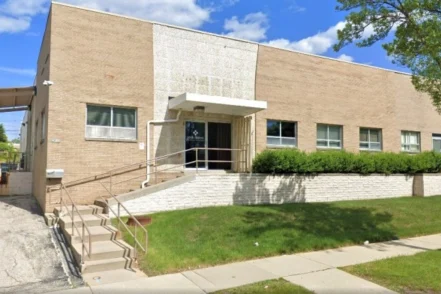
10th Street Comprehensive Treatment Center
4800 South 10th Street, Milwaukee, WI 53221
Treatment Programs
- Alcohol Rehab
- Opioid Addiction
- Drug Rehab
- +8
-
 Oklahoma
GRAND Addiction Recovery Center
6333 East Skelly Drive, Tulsa, OK 74135
Treatment Programs
- Alcohol Rehab
- Dual Diagnosis
- Opioid Addiction
- +4