
Nicotine Use Tied to Teen Anxiety and Depression Risk
Published July 24, 2026
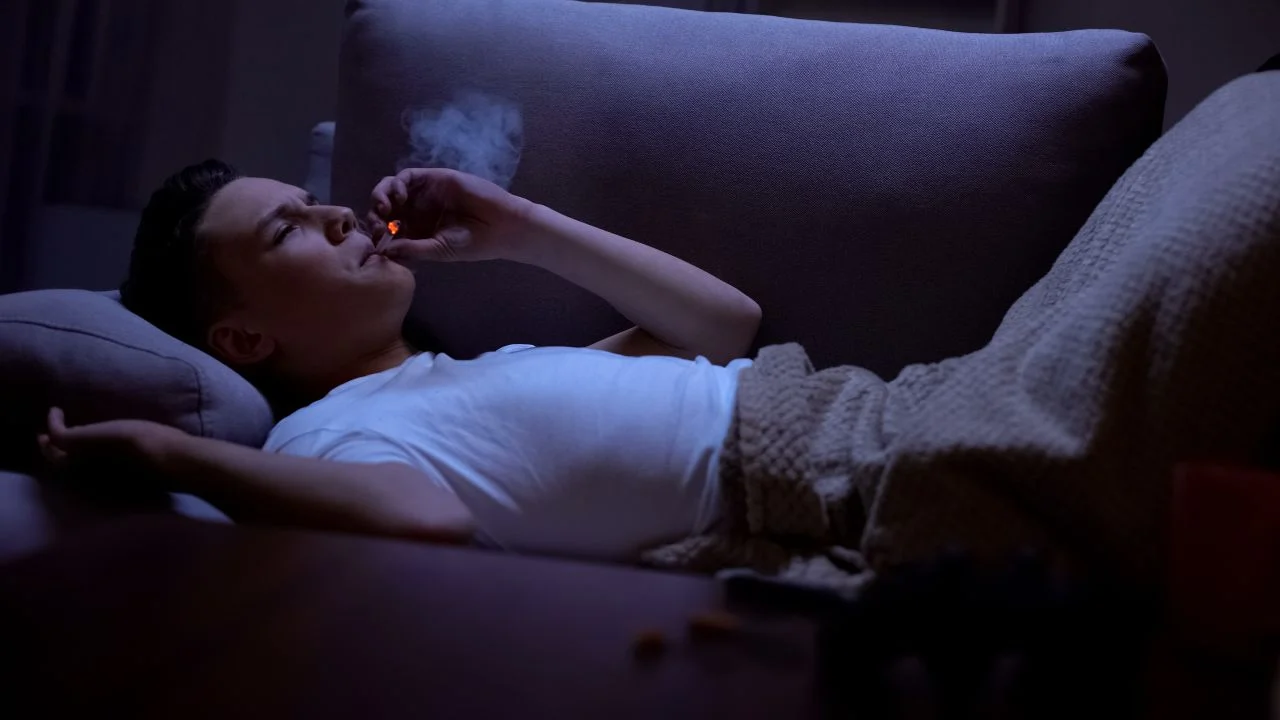
Adolescents who use nicotine, whether through cigarettes, vapes or nicotine pouches, are more likely to report anxiety, depression, and other mental health symptoms than peers who don’t. New research out of the University of Gothenburg pointed out that girls appear especially vulnerable. One study found that nearly 80% of girls who used nicotine reported anxiety symptoms.
Linking Addictions to Mental Health
The findings come from three related studies examining tobacco use and youth mental health. In one, researchers surveyed almost 3,000 Swedish high school students and found the association between nicotine use and anxiety symptoms held for both traditional tobacco products and tobacco-free nicotine products like pouches and e-cigarettes, suggesting the connection isn’t limited to smoking specifically.
A second, longer-running study followed roughly 1,500 adolescents from lower secondary school through high school. Depressive symptoms and suicidal ideation were more common among teens who took substances, including smoking. Girls who started smoking more and more over time tended to report worsening sleep problems, anxiety, low mood, and difficulty concentrating.
Other studies have also linked smoking cannabis to mental health.
Co-Occurring Disorders Among Young People
When a substance use pattern and a mental health condition show up together, clinicians describe that as co-occurring disorders, sometimes called dual diagnosis. A dependence on nicotine and stronger substances commonly pair with anxiety or depression, and the relationship tends to run in both directions. Nicotine withdrawal can produce anxiety-like symptoms, and people already afflicted with anxiety or low mood may smoke as a coping tool, which can deepen dependence over time without addressing the underlying symptoms.
A related animal study cited alongside this research found that nicotine produced sex- and region-specific changes in a brain area involved in stress and emotional processing. Effects that differed by sex could be partly reversed through motor-skill training. While that work was done in rodents, it adds a possible biological mechanism to the pattern researchers see in teenagers.
Integrated Treatment Matters
Treating nicotine dependence and a mental health condition as two separate, unrelated problems often misses how closely they interact. A treatment plan that only addresses nicotine use, without also screening for and treating anxiety or depression, risks leaving the underlying symptoms that drove nicotine use in the first place unaddressed. The reverse is also true. Inpatient or outpatient mental health treatment that doesn’t account for nicotine dependence may see limited progress if withdrawal symptoms keep resurfacing.
Effective approaches for adolescents facing this combination typically include:
- Cognitive behavioral therapy (CBT) with peer support adapted for co-occurring nicotine dependence and anxiety or depression
- Screening for mental health symptoms as a standard part of any nicotine cessation rehab program for teens, not an afterthought
- Family-inclusive treatment models and interventions, since parents and caregivers often notice mood or behavior changes before a teen discloses nicotine use
- Medication management when appropriate, coordinated between a prescribing clinician and a therapist rather than managed in isolation
Treatment for All Family Members
Parents and caregivers who notice a teen using nicotine products alongside signs of withdrawal from friends, declining grades, or persistent low mood, don’t need to address these as separate problems. A single evaluation can screen for both.
Here’s where we come in. Call 800-908-4823 (Sponsored) to speak with an expert and find local resources to help with smoking and other health conditions. You can also search our directory for facilities and programs anywhere in the country.
Author

Eric Owens
Read Bio
Eric Owens has been a writer and editor for various businesses as well as his own successful websites. He has extensive experience creating content in the health and wellness space and the sustainability space. He holds a bachelor degree in Philosophy which helped him with presenting complex information in a simple way that all audiences can understand.
Editor

Peter Lee, PhD
Read Bio
Peter W.Y. Lee is a writer and historian of American history during the Cold War. His primary focus is the relationship between youth and popular culture and its impact on U.S. society during the twentieth century. He has published widely on how the public has used popular culture as a mechanism to address political and social shifts throughout time
Articles About Alcohol & Treatment

Springfield, Missouri Approves $500K Mental Health Treatment Resource Map
Springfield, Missouri Approves $500K Mental Health Treatment Resource Map Published October 2, 2026 The city of Springfield has allocated $500,000 to create a map of mental health treatment and substance use resources in the city. To be clear, the state of Missouri has plenty of options for folks dealing with additions, but local recovery advocates…

Stone County, Mississippi Program Now Serves Women Only
Stone County, Mississippi Program Now Serves Women Only Published October 2, 2026 A church out in Mississippi changed its recovery program recently just for women. The Church of Turning Points in Stone County split its Life Recovery Program to create a women-only meeting. The group gathers each Thursday evening at 6:30 at the Sunflower Community…

UC San Diego Awarded $12.6 Million for Dual Diagnosis Research
UC San Diego Awarded $12.6 Million for Dual Diagnosis Research Published October 1, 2026 A new $12.6 million federal investment in addiction science could change how we use dual diagnosis treatment. Researchers at UC San Diego in California received the five-year award from the National Institute on Drug Abuse to launch the Polysubstance Addiction Research…
Browse Treatment Centers by State
-
 Minnesota
Fairview Health Services 303 East Nicollet Boulevard
303 East Nicollet Boulevard Burnsville, Minnesota 55337
Treatment Programs
- Dual Diagnosis
- Young Adult Rehab
- Adult Program
- +3
-
 Minnesota
Park Nicollet Clinic Shakopee
1415 Saint Francis Avenue Shakopee, Minnesota 55379
Treatment Programs
- Young Adult Rehab
- Dual Diagnosis
- LGBTQ Friendly Rehab
- +2
-
 Massachusetts
SMOC – Sage House
517 Winter Street, Framingham, MA 01702
Treatment Programs
- Alcohol Rehab
- Dual Diagnosis
- Opioid Addiction
- +8
-
 Pennsylvania
Dr Sandra Kuglics Naturopathy and Stop Smoking
336 College Avenue Beaver, Pennsylvania 15009
Treatment Programs
- Drug Rehab
- Alcohol Rehab
- +-1