
Teen Mental Health Treatment Shortage Leaves Maine Families Without Help
Published May 27, 2026

Maine families are running out of options for residential treatment centers for teenagers with mental health conditions. The gap in facilities is pushing families to the breaking point. In some cases, the shortage pushes kids right into the criminal justice system. For parents of a teen with complex behavioral health needs, the crisis is happening at their kitchen tables.
Trisha Pratt’s 16-year-old son, Dante, has been hospitalized multiple times and was receiving outpatient therapy But it wasn’t enough to address his multiple mental health diagnoses, including PTSD and depression. Dante’s now in juvenile detention at Long Creek Youth Development Center.
“If my son had gotten the help that he needed years ago, we wouldn’t be in this spot,” Pratt noted.
Her story illustrates what happens when comprehensive behavioral health treatment is unavailable. Teens with untreated co-occurring conditions escalate, families are endangered, and the juvenile justice system fills the gap that mental health treatment facilities should be filling.
The Shortage of Residential Mental Health Treatment Facilities
Around 220 children in Maine receive residential behavioral treatment as of April 2026. Nearly 31% of those kids found care out of state. Nearly one in three Maine families must send their child hundreds of miles away just to access the level of care their child needs.
While Maine boasts several residential facilities and outpatient centers suitable for adolescents, the waiting lists can be daunting. Pratt searched for a residential facility in The Pine Tree State and then turned to New Hampshire, but without success. She eventually found a facility in Massachusetts, and Dante is now on a waitlist and hoping for a bed when he’s released in June.
Dante’s story isn’t an isolated event. It reflects a systemic failure to invest in residential treatment centers capable of handling teens with complex, co-occurring behavioral health conditions.
Mental Health to Addictions and Back Again
Dante’s PTSD and depression compounded by emerging drug use represents a pattern clinicians see frequently. When untreated mental health conditions go unaddressed in adolescence, substance use often follows as a form of self-medication, but it rarely works. This is the clinical reality of dual diagnosis: mental health conditions and substance use disorders that develop together and must be treated together.
Co-occurring disorders in teenagers are not rare. Over 15% of Maine’s children aged 6 to 11 have an ongoing emotional, developmental or behavioral condition such as anxiety. Without early interventions, these conditions often intensify through adolescence.
Outpatient therapy alone — the level of care Dante was receiving — is frequently insufficient for teens with multiple diagnoses. Residential treatment centers provide a structured, immersive environment where adolescents receive integrated care for all their health needs simultaneously, around the clock.
Treatment Approaches for Teens with Dual Diagnoses
Effective residential treatment for adolescents typically combines several evidence-based modalities:
- Trauma-focused therapy addresses conditions like PTSD that are often at the root of behavioral escalation. Trauma therapy, including Trauma-focused cognitive behavioral therapy (TF-CBT), helps teens process past experiences rather than act out in response to them.
- Dialectical behavior therapy (DBT) was specifically developed for individuals who struggle with emotional regulation and impulsive behavior, making it a cornerstone of treatment for teens like Dante. DBT teaches concrete skills for managing distress, improving relationships and reducing self-destructive behavior.
- Medication management is essential for teens who require psychiatric oversight as part of their care. Residential treatment centers offer consistent medication monitoring in a way that outpatient settings can’t.
- Family therapy is a critical but often overlooked component. Parents like Trisha Pratt aren’t bystanders. They’re partners in treatment. Residential programs that engage families in the therapeutic process produce better long-term outcomes.
Integrated Behavioral Health Treatment Matters
The Maine crisis is a stark example of what happens when the behavioral health treatment system is underfunded and under-resourced. States often rely too heavily on segregated settings like psychiatric hospitals and residential treatment facilities because community-based options are scarce. This situation leaves families and children without adequate support.
The answer isn’t to eliminate residential care. Many teens depend on it. Rather, officials should build a continuum of care: robust outpatient and community-based services on one end, and adequately staffed, inpatient centers on the other. Right now, Maine families have neither in sufficient supply.
As for the Pratts, Dante’s mom asserted she will never stop trying to find help for her son, even after he turns 18.
Finding Residential Mental Health Treatment Centers
If your teen has mental health conditions, co-occurring disorders or behavioral health challenges, residential treatment may be the level of care they need. Waiting for a crisis or for the juvenile justice system to intervene isn’t a treatment plan.
Call 800-908-4823 (Sponsored) to speak with a treatment specialist or browse our directory to find a center located anywhere in the country.
Author

Terri Beth Miller, PhD
Read Bio
Terri Beth received her PhD in English literature from the University of Tennessee Knoxville and is an educator and disability studies scholar. For more than a decade, she has written extensively in the fields of mental health and addiction recovery and fiercely advocates for the destigmatization of mental illness.
Editor

Peter Lee, PhD
Read Bio
Peter W.Y. Lee is a writer and historian of American history during the Cold War. His primary focus is the relationship between youth and popular culture and its impact on U.S. society during the twentieth century. He has published widely on how the public has used popular culture as a mechanism to address political and social shifts throughout time
Articles About Alcohol & Treatment
Psilocybin Study Offers Clues for Dual Diagnosis Care
Psilocybin Study Offers Clues for Dual Diagnosis Care Published July 24, 2026 A single dose of psilocybin, the psychedelic compound in magic mushrooms, may produce measurable brain changes that last for a month, according to new research from UC San Francisco and Imperial College London. While the study enlisted healthy adults without diagnosed mental health…
Nicotine Use Tied to Teen Anxiety and Depression Risk
Nicotine Use Tied to Teen Anxiety and Depression Risk Published July 24, 2026 Adolescents who use nicotine, whether through cigarettes, vapes or nicotine pouches, are more likely to report anxiety, depression, and other mental health symptoms than peers who don’t. New research out of the University of Gothenburg pointed out that girls appear especially vulnerable.…

Unpredictable Childhoods Linked to Later Mental Illness
Unpredictable Childhoods Linked to Later Mental Illness Published July 23, 2026 A large new study out of Orange County, California, adds to what researchers understand about childhood adversity and mental health. Even though states like California already have many treatment options for people of all ages, these findings carry implications for how facilities approach dual…
Browse Treatment Centers by State
-
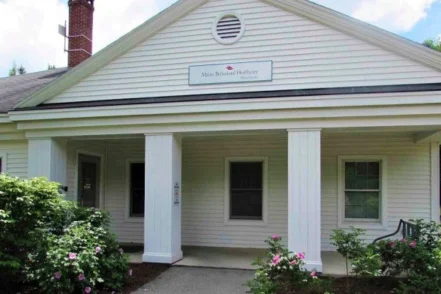 Maine
MaineMaine Behavioral Healthcare Belfast
15 Mid Coast Drive Belfast, Maine 04915
Treatment Programs
- Dual Diagnosis
- Adult Program
- Senior Rehab
- +3
-
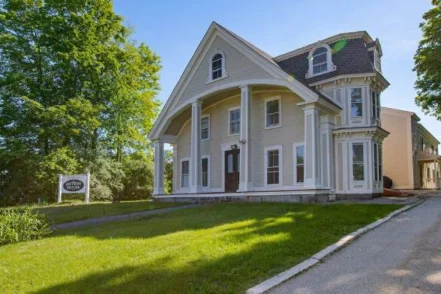 New Hampshire
Sobriety Centers of New Hampshire The Antrim House
55 Main Street Antrim, New Hampshire 03440
Treatment Programs
- Alcohol Rehab
- Dual Diagnosis
- Opioid Addiction
- +4
-
 New York
Kids Escaping Drugs
920 Harlem Road West Seneca, New York 14224
Treatment Programs
- Alcohol Rehab
- Dual Diagnosis
- Opioid Addiction
- +3
-
 California
Evolve Teen Treatment Center – Danville
263 Montego Dr Danville, CA 94526
Treatment Programs
- Alcohol Rehab
- Drug Rehab
- Opioid Addiction
- +1