
Senior Addiction Tied to Undiagnosed Mental Illness
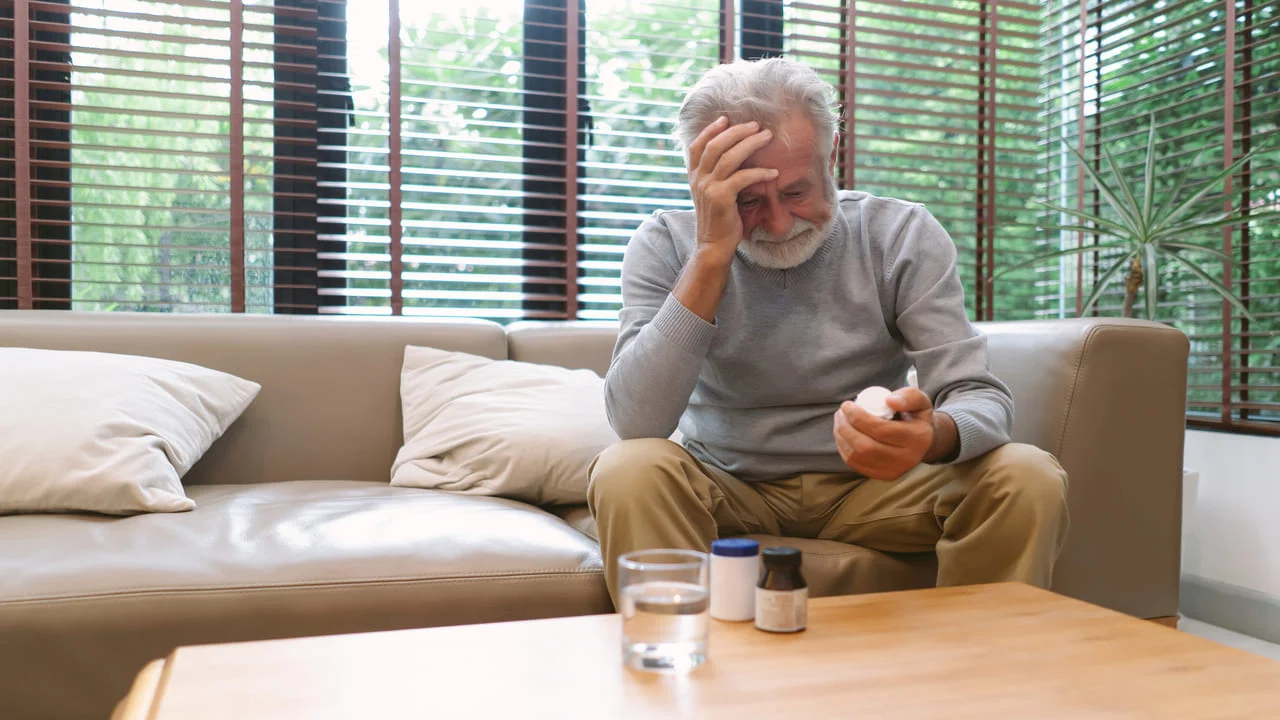
There is growing concern among healthcare providers regarding co-occurring substance misuse and mental health conditions among senior citizens. Professionals who study these trends report that individuals in older age ranges are facing heightened risk for addiction.
Mental Illness and Addiction in Older Adults
Current data suggest that alcohol is the most frequent substance involved, though misuse of prescribed medications, including opioid-based pain treatments, is also prevalent.
Problematic substance use does not automatically mean that a person has a diagnosable mental illness, yet the two issues often intersect and can reinforce one another.
Several life circumstances commonly experienced by seniors are highlighted as contributing pressures. Leaving the workforce can remove not only daily structure but also a sense of purpose that was tied to a long-help profession. This shift may lead to disengagement or restlessness.
Additionally, older adults are more likely than younger populations to experience repeated losses, including the deaths of friends, partners, and family members. These cumulative losses can intensify emotional distress over time.
Among all contributing elements, reduced social connection is identified as especially significant, as isolation can deepen both emotional struggles and reliance on substances as coping mechanisms.
The Problem of Underdiagnosis in Senior Mental Health
Age-based bias may also contribute to the underdiagnosis of mental illness and addiction in seniors, evidence suggests, Medical providers may miss or minimize symptoms of depression or substance misuse in older patients.
At the same time, relatives or peers may dismiss heavy drinking or medication misuse as acceptable behavior later in life, assuming it is harmless or deserved. This normalization can delay recognition of a serious problem and prevent timely intervention.
Finding Dual Diagnosis Treatment for Seniors
When mental health conditions such as depression or anxiety go untreated, substance use often worsens. Effective recovery requires addressing both conditions together through dual diagnosis treatment programs designed for older adults.
Seniors and thier loved ones can explore behavioral health centers, mental health treatment facilities and residential treatment centers that specialize in co-occuring conditions.
Age appropriate care can help improve outcomes by accounting for medical nees, life stage challenges and social support systems.
Treatment Centers Directory can help you find a dual diagnosis treatment center near you.
Healing is possible at any age and the right care can make all the difference. Call 800-908-4823 (Sponsored) today.
Articles About Addiction & Mental Health Treatment
Texas Jail Expands Dual Diagnosis Treatment for Inmates
Texas Jail Expands Dual Diagnosis Treatment for Inmates Published October 6, 2026 Roughly 60% of the people sitting in the Jasper County Jail in East Texas were booked on drug-related charges. Jail officials have decided that all those folks make up a treatment waiting list. A new partnership with the Recovery Council of Southeast Texas…

Maryland Launches Court-Ordered Mental Health Treatment Program
Maryland Launches Court-Ordered Mental Health Treatment Program Published October 6, 2026 Maryland residents with severe mental illness might get relief soon via facilities mandated by court order. Enter the Assisted Outpatient Treatment program. The Maryland Department of Health announced the rollout for people whose conditions interfere with their ability to seek help on their own.…
Kentucky Overdose Deaths Fall 22.9% as Mental Health Access Grows
Kentucky Overdose Deaths Fall 22.9% as Mental Health Access Grows Published October 5, 2026 Kentucky hit its lowest number of overdose deaths since 2014 with a 22.9% drop from 2024. State officials point to a network of expanded mental health treatment facilities even for those under court orders, recovery housing and crisis services. Gov. Andy…
Browse Treatment Centers by State
Top National Treatment Centers
-
 California
10 Acre Ranch
8605 Janet Avenue, Riverside, CA 92503
Treatment Programs
- Alcohol Rehab
- Dual Diagnosis
- Opioid Addiction
- +7
-
 Wisconsin
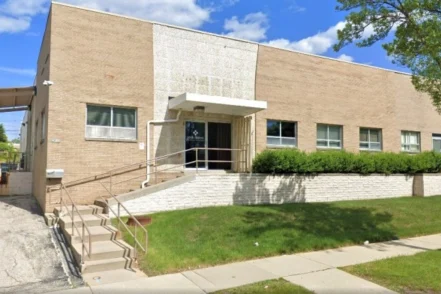
10th Street Comprehensive Treatment Center
4800 South 10th Street, Milwaukee, WI 53221
Treatment Programs
- Alcohol Rehab
- Opioid Addiction
- Drug Rehab
- +8
-
 Oklahoma
GRAND Addiction Recovery Center
6333 East Skelly Drive, Tulsa, OK 74135
Treatment Programs
- Alcohol Rehab
- Dual Diagnosis
- Opioid Addiction
- +4
-
 Texas
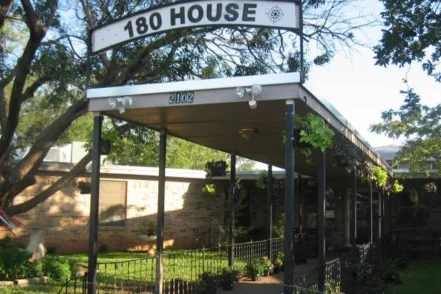
Texas180 House
2102 Amy Lyn Avenue Abilene, Texas 79603
Treatment Programs
- Alcohol Rehab
- Opioid Addiction
- Drug Rehab
- +4