
Drugmaker Suggests Psilocybin May Treat PTSD Without Talk Therapy
Published July 30, 2026

A question that matters for anyone tracking ways to treat PTSD is whether psychedelic therapy like psilocybin is a drug or a form of talk therapy. The answer determines who can deliver it, where, and at what cost.
A new analysis of a phase 2 trial offers one answer. Participants receiving investigational psilocybin spent 78% of their dosing sessions in silence, with trained providers present but not directing the experience.
The Post Hoc Analysis Measurements
Compass Pathways published a post hoc analysis of the support methods used in an open-label phase 2 study of COMP360, its synthetic psilocybin formulation, in people with posttraumatic stress disorder. Researchers documented speech production between participants and support providers during dosing sessions and found minimal interaction.
Patients described the support they received in terms of presence, availability and validation rather than interpretation or trauma processing. The providers functioned as a reliable resource available if needed but remained largely outside their awareness during the session. The primary means of support consisted of reassurance and physical proximity.
The analysis also found that the nondirective approach supported autonomy. Participants reported feeling able to sustain an inward focus and navigate the experience themselves, without a provider leading, redirecting or reinterpreting what was happening.
Compass Says This isn’t Psychotherapy
Guy Goodwin, chief medical officer at Compass Pathways, pointed out that their approach doesn’t qualify as psilocybin-assisted psychotherapy. He explained that providers safeguarded patients rather than guide them, which suggested limits for group therapy and supervision.
Accordingly, the experience remained largely self-directed. “The meaningful change comes from the psilocybin treatment itself,” he noted.
Goodwin also tied the trial’s results to the drug rather than the support around it. The rapid and lasting symptom improvement seen in the open-label phase 2 study was attributable to the psilocybin experience.
Compass has built a manualized training and mentoring program for support providers across its COMP360 trials in treatment-resistant depression and PTSD. This can differ from traditional approaches for groups with high PTSD rates, such as veterans. Compass’s support strategies consisted of breath and body awareness, brief verbal cues and physical proximity.
Two limits are worth holding onto that bear directly on that improvement claim. This is a post hoc analysis, meaning the researchers posed questions after the trial rather than before it, and the underlying phase 2 study was open-label with no control group.
Also, without a placebo comparison, there’s no way to separate the drug’s effect from expectancy, which is a well-documented issue in psychedelic research specifically.
Like many psilocybin procedures, COMP360 remains investigational and isn’t approved for PTSD or any other condition.
Dual Diagnosis and PTSD
PTSD rarely arrives alone. Trauma co-occurs with substance use disorders at high rates, and the relationship runs both directions. Some folks develop substance use problems while managing trauma symptoms, and substance use raises the likelihood of experiencing further trauma. Depression, anxiety disorders, and chronic pain also cluster with PTSD, as often the case with veterans.
Co-occurring disorders, sometimes called dual diagnosis, describe the presence of a mental health condition and a substance use disorder at the same time. Integrated treatment addressing both produces better outcomes than treating them in sequence because untreated trauma symptoms drive relapse and vice versa.
That context is relevant to this research even though the published analysis didn’t examine substance use. Psychedelic trials typically exclude people with active substance use disorders, so the population most affected by co-occurring PTSD is often the least represented in the evidence base.
Anyone reading psychedelic research as a person with a dual diagnosis should keep that gap in view.
PTSD Treatment Options with Co-Occurring Substance Use
Available, evidence-based options exist now and don’t require waiting on an investigational drug.
Trauma-focused psychotherapies with the strongest evidence include prolonged exposure, cognitive processing therapy, and eye movement desensitization and reprocessing. All three are structured, time-limited, and deliverable in outpatient settings.
Medication for PTSD includes SSRIs, with sertraline and paroxetine carrying FDA approval for the condition.
For co-occurring substance use disorder, clinicians match medication assisted treatment including buprenorphine, methadone, naltrexone, and acamprosate to the substance involved and used alongside behavioral treatment.
Residential treatment centers are appropriate when symptoms are severe, home environments are unstable, or outpatient care has not held. Intensive outpatient and partial hospitalization sit between weekly therapy and residential care.
Comprehensive Treatment & You
When comparing mental health treatment facilities and behavioral treatment centers for PTSD with co-occurring substance use, ask:
- Does the program treat both conditions in one integrated plan, or does it treat one and refer out for the other
- Which trauma-focused therapies are offered by name
- Is medication management available onsite for the mental health condition and the substance use disorder
- What happens after discharge, and who coordinates it
- Does the program accept your insurance, including Medicaid
You can find options through our searchable directory that lists mental health treatment facilities, behavioral health programs, and dual diagnosis treatment centers. Levels of care and insurance information are described on each listing.
Or, feel free to call 800-908-4823 (Sponsored) to chat with an expert and locate local resources.
Author

Eric Owens
Read Bio
Eric Owens has been a writer and editor for various businesses as well as his own successful websites. He has extensive experience creating content in the health and wellness space and the sustainability space. He holds a bachelor degree in Philosophy which helped him with presenting complex information in a simple way that all audiences can understand.
Editor
Peter Lee, PhD
Read Bio
Peter W.Y. Lee is a writer and historian of American history during the Cold War. His primary focus is the relationship between youth and popular culture and its impact on U.S. society during the twentieth century. He has published widely on how the public has used popular culture as a mechanism to address political and social shifts throughout time
Articles About Alcohol & Treatment
Drugmaker Suggests Psilocybin May Treat PTSD Without Talk Therapy
Drugmaker Suggests Psilocybin May Treat PTSD Without Talk Therapy Published July 30, 2026 A question that matters for anyone tracking ways to treat PTSD is whether psychedelic therapy like psilocybin is a drug or a form of talk therapy. The answer determines who can deliver it, where, and at what cost. A new analysis of…

Study Links Attachment Issues to Teen Substance Use
Study Links Attachment Issues to Teen Substance Use Published July 30, 2026 A research synthesis adds to a growing case for treating adolescent substance use as inseparable from the poor emotional awareness and relational struggles that often sit underneath it, a core principle behind dual diagnosis treatment. Researchers reviewed 15 qualitative studies from 2015 and…

Gen Z Ties Mental Health Struggles to Childhood Trauma
Gen Z Ties Mental Health Struggles to Childhood Trauma Published July 29, 2026 A growing number of Gen Z adults are naming their parents as a source of stress and other mental health conditions. Mental health professionals say that connection is often worth taking seriously rather than dismissing as generational finger-pointing. Survey Findings A recent…
Browse Treatment Centers by State
-
 South Carolina
MUSC Health Florence Medical Center Alcohol and Drug Recovery Services
805 Pamplico Highway Florence, South Carolina 29505
Treatment Programs
- Alcohol Rehab
- Drug Rehab
- +-1
-
 Oklahoma
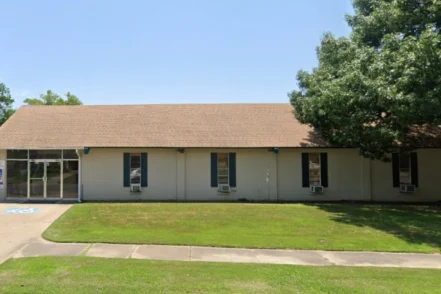
MONARCH Muskogee
501 Fredonia Street Muskogee, Oklahoma 74403
Treatment Programs
- Alcohol Rehab
- Dual Diagnosis
- Opioid Addiction
- +3
-
 New Jersey
Sakowitz Counseling Paramus
140 Route 17 North, Suite 102 Paramus, New Jersey 07652
Treatment Programs
- Alcohol Rehab
- Dual Diagnosis
- Opioid Addiction
- +6
-
 California
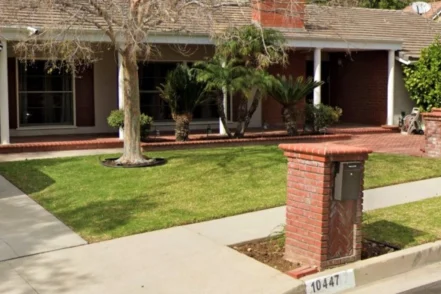
The Muse House
10447 Laramie Avenue Chatsworth, California 91311
Treatment Programs
- Alcohol Rehab
- Dual Diagnosis
- Opioid Addiction
- +3