
Gen Z Ties Mental Health Struggles to Childhood Trauma
Published July 29, 2026

A growing number of Gen Z adults are naming their parents as a source of stress and other mental health conditions. Mental health professionals say that connection is often worth taking seriously rather than dismissing as generational finger-pointing.
Survey Findings
A recent survey found that 25% of Gen Z respondents blame their parents for physical or mental health problems. About 17% say their family is behind their relationship difficulties, and 15% attribute low motivation to their upbringing. About 5% asserted that their parents bore responsibility for everything going wrong in their lives. More strikingly, 52% of Gen Z respondents reported childhood trauma from physical or verbal abuse by a parent.
That data coincides with a broader shift toward therapy among young adults. A separate May 2025 survey found 42% of Gen Z Americans were currently in therapy, up sharply since 2022, with anxiety, depression, and trauma cited as the most common reasons for seeking care. Counseling can even take place in innocuous settings, like barbershops.
Therapists Say the Blame Has a Point
Jessica Anne Pressler, a Columbia University-trained psychotherapist, relayed that blame functions diagnostically rather than as an endpoint. “Blame tells you where the wound is; it doesn’t close it,” she noted. Pressler regarded acknowledgement of childhood harm as a prerequisite for healing rather than something to skip past.
Psychologist Pam Manfredo Curtis echoed that framing. She pointed out that genuine healing tends to happen when people understand why parents behaved and responded as they did, develop compassion, and work toward identifying how those early patterns show up in their adult lives.
Both clinicians carefully distinguished this process from staying stuck in anger. Nearly 10% of Gen Z respondents have gone no-contact with a parent entirely, a step Pressler supports specifically when it’s rooted in safety rather than avoidance.
Other clinicians urge caution against treating parenting as the sole explanation. Child psychiatrist Dr. Amir Levine argued that childhood parenting accounts for only part of adult attachment patterns. Genetics, later life experiences, and broader social environment also play significant roles.
Dual Diagnosis and Care Options
Unresolved childhood experiences and family conflict are well-documented risk factors across behavioral health. They frequently show up alongside co-occurring conditions like anxiety, depression, and substance use disorders. When someone enters treatment with both a mental health condition and a substance use disorder, that’s known as dual diagnosis. Treating only one condition while ignoring the other tends to produce worse outcomes.
This is part of why comprehensive behavioral health treatment increasingly looks at family history and early experiences as part of an integrated care plan rather than treating symptoms in isolation.
Approaches like cognitive behavioral group therapy (CBT) and trauma-focused approaches can help patients process family-of-origin experiences alongside whatever else brought them into treatment.
Residential and outpatient behavioral health programs increasingly build in trauma-informed care that addresses family history directly, rather than treating it as background noise. Family therapy and medication management all play roles, depending on individual circumstances.
Get Started with Treatment
If unresolved family history affects your mental health or is tangled up with substance use, comprehensive treatment centers can address both together rather than asking you to choose one to work on first.
Begin today. You can browse our listings for verified treatment facilities anywhere in the country. Or, call 800-908-4823 (Sponsored) for comprehensive mental health and addiction treatment options near you.
Author

Nikki Wisher, BA
Read Bio
Nikki Wisher is an Atlanta-based content writer who specializes in health and wellness. After earning her BA in English, she has been writing in the health and wellness space for over a decade, with credits ranging from addiction recovery to fitness to aesthetics and skin care. This includes her inclusive running blog forallrunners.com.
Editor

Peter Lee, PhD
Read Bio
Peter W.Y. Lee is a writer and historian of American history during the Cold War. His primary focus is the relationship between youth and popular culture and its impact on U.S. society during the twentieth century. He has published widely on how the public has used popular culture as a mechanism to address political and social shifts throughout time
Articles About Alcohol & Treatment

Mental Health Risk Rises With Long-Term Air Pollution Exposure
Mental Health Risk Rises With Long-Term Air Pollution Exposure Published September 18, 2026 The factors that shape mental health are more varied than most people expect. A systematic review and meta-analysis found that long-term exposure to common air pollutants is associated with increased risks of suicide, whether one attempts to take their own life or…

HHS Awards $383M for Mental Health Treatment and Crisis Care
HHS Awards $383M for Mental Health Treatment and Crisis Care Published September 18, 2026 The federal government distributed its largest mental and behavioral health crisis funds for 2026. On September 8 the Department of Health and Human Services and SAMHSA announced $383.4 million in new grants. The Grant Money The awards split three ways. To…

Anxiety Treatment Study Posts 5.1 Point GAD Symptom Drop
Anxiety Treatment Study Posts 5.1 Point GAD Symptom Drop Published September 17, 2026 A late-stage clinical trial delivered strong anxiety treatment results, with potential for those with anxiety and addictions. Definium Therapeutics announced that its Phase 3 Panorama study of DT120 ODT, an orally disintegrating formulation of LSD, met its primary endpoint in adults with…
Browse Treatment Centers by State
-
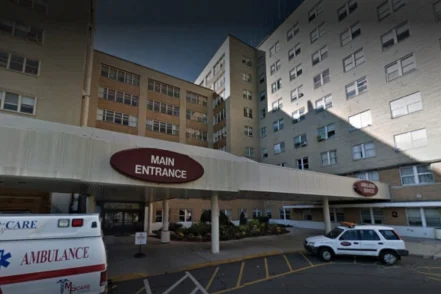 New Jersey
Bergen New Bridge Medical Center
230 East Ridgewood Avenue Paramus, New Jersey 07652
Treatment Programs
- Alcohol Rehab
- Dual Diagnosis
- Opioid Addiction
- +6
-
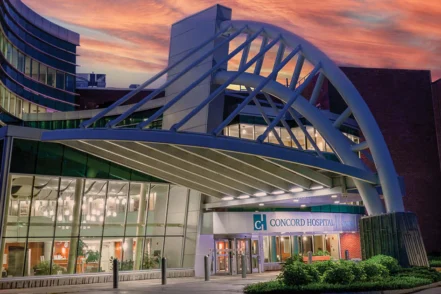 New Hampshire
Concord Hospital – Laconia
80 Highland Street, Laconia, NH 03246
Treatment Programs
- Dual Diagnosis
- Drug Rehab
- Opioid Addiction
- +4
-
 Arizona
Family Service Agency Phoenix
2400 North Central Avenue, Suite 101 Phoenix, Arizona 85004
Treatment Programs
- Dual Diagnosis
- Adult Program
- Men's Rehab
- +2
-
 Wisconsin
Genesis Behavioral Services LLC
279 South 17th Avenue West Bend, Wisconsin 53095
Treatment Programs
- Dual Diagnosis
- Drug Rehab
- Adult Program
- +1