
Psilocybin Depression Treatment Gets Federal Fast-Track Boost
Published May 29, 2026
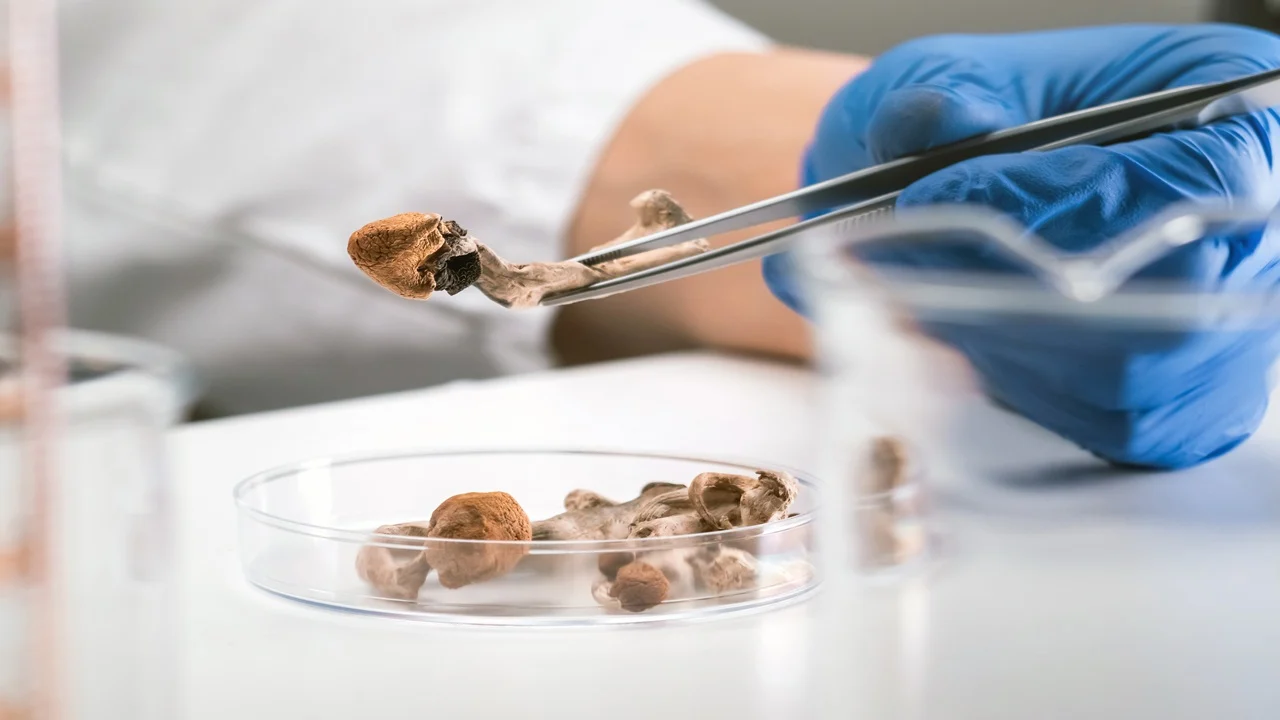
A landmark federal push is accelerating psilocybin as a depression treatment, with a Wisconsin nonprofit among the first research organizations in the country to receive government backing to speed the psychedelic compound toward FDA approval. While The Badger State has long featured many specialized programs to treat drug addiction, psychedelic medications offer a new approach to aid recovery.
Indeed, the development signals a potential turning point for mental health treatment facilities and the patients they serve, particularly those coping with treatment-resistant depression, PTSD, and co-occurring substance use disorders.
The Executive Order
In April 2026, the White House issued an executive order directing federal agencies to fast-track research into psychedelic medications for serious mental illness. Following that order, the U.S. Department of Health and Human Services awarded priority review vouchers to three organizations nationwide.
One recipient is the Usona Institute, a Madison nonprofit researching psilocybin — the psychoactive compound in magic mushrooms — as a depression treatment for more than a decade. The voucher compresses the FDA’s typical six-to-ten-month review timeline down to just two months max, potentially clearing the path for an approved therapy by the end of 2026.
The other voucher recipients are Compass Pathways, a U.K.-based company researching psilocybin for treatment-resistant depression, and New York-based Transcend Therapeutics, which studies methylone as a PTSD therapy.
Linking Mental Health to Addiction
For those in the behavioral health field, the research’s potential extends well beyond depression. Psilocybin-assisted therapy has shown early promise in treating co-occurring disorders where a mental health diagnosis such as anxiety or PTSD occurs alongside a substance use disorder.
Researchers at the University of Wisconsin-Madison and Usona have reported encouraging results using psychedelics to address substance use disorders, including opioid addiction. That overlap is central to what makes this research relevant to dual diagnosis treatment.
Director Paul Hutson at UW-Madison’s Transdisciplinary Center for Research in Psychoactive Substances described psilocybin as uniquely impactful despite decades of stigma. “I can’t think of anything that has been so stigmatized and yet seems to be so impactful,” he noted.
What Patients and Providers Need to Know
FDA approval of psilocybin would not immediately translate into widespread availability. Significant logistical and regulatory hurdles remain:
- Distribution: Psilocybin is currently classified as a Schedule I controlled substance, meaning new frameworks will be needed before pharmacies can carry it.
- Provider training: Psilocybin treatment isn’t a standard prescription. Current clinical protocols involve multiple trained professionals monitoring a patient over six to eight hours, followed by structured counseling and check-ins. This model is closer to residential or intensive outpatient care than a traditional walk-in visit.
- Insurance coverage: How payers, including Medicaid, will cover psychedelic-assisted therapy remains an open and critical question for providers.
Hutson noted that even with rapid FDA approval, the capacity of behavioral treatment centers and mental health providers to deliver psilocybin therapy at scale is an unresolved challenge.
Understanding Dual Diagnosis and Emerging Therapies
Many individuals seeking mental health treatment also live with addiction, with one often fueling the other. Dual diagnosis treatment addresses both conditions simultaneously, rather than treating mental health in isolation from substance use.
Emerging therapies like psilocybin-assisted treatment may eventually support this integrated model. Early findings indicated benefits for addressing mental health and addictions.
The executive order also opens the door to research on ibogaine, a hallucinogen derived from a Central African plant, as a potential alcohol use disorder treatment. This development is worth watching for residential treatment centers that serve patients with multiple disorders.
Find Comprehensive Behavioral Health Treatment Today
While psilocybin therapy is not yet clinically available, many evidence-based treatments are accessible through mental health treatment facilities. These include:
- Behavioral therapy for mental health conditions
- Medication-assisted treatment (MAT) for co-occurring substance use
- Trauma-focused therapies in both residential and outpatient settings
- Integrated dual diagnosis care that address mental health and addiction together
If you or someone you love is living with co-occurring disorders, help is available right now. Call 800-908-4823 (Sponsored) or look through our directory to find comprehensive mental health and addiction treatment across the country.
Author

Courtney Myers, MS
Read Bio
Courtney Myers has more than 15 years of experience in online writing and editing. Since graduating from N.C. State University with an MS in Technical Communication, she’s helped clients improve their visibility and reach through expert-level content creation. She specializes in addiction recovery and behavioral healthcare topics.
Editor

Peter Lee, PhD
Read Bio
Peter W.Y. Lee is a writer and historian of American history during the Cold War. His primary focus is the relationship between youth and popular culture and its impact on U.S. society during the twentieth century. He has published widely on how the public has used popular culture as a mechanism to address political and social shifts throughout time
Articles About Alcohol & Treatment

Group Therapy Eases Isolation for Co-Occurring Disorders
Group Therapy Eases Isolation for Co-Occurring Disorders Published July 21, 2026 July is Social Wellness Month, and behavioral health providers use the observance to highlight a treatment tool that matters most for people managing co-occurring disorders: connection. For instance, out in Florida, many facilities, such as DeSoto Memorial Hospital’s behavioral health division, focused on how…
HHS and VA Team Up to Advance Ibogaine Research for Veterans
HHS and VA Team Up to Advance Ibogaine Research for Veterans Published July 21, 2026 The Department of Health and Human Services and the Department of Veterans Affairs have signed a formal agreement to prepare the VA health system for future mental health treatment options involving ibogaine and other psychedelic drug therapies. The program depends…

Salsa Classes Ease Depression, May Reduce Addiction Risk
Salsa Classes Ease Depression, May Reduce Addiction Risk Published July 20, 2026 A new Oxford study finds that salsa classes eased depression and social anxiety in young adults. The finding may carry added significance given how closely untreated depression links to a higher risk of developing a substance use disorder. The randomized controlled trial adds…
Browse Treatment Centers by State
-
 South Carolina
Aiken Barnwell Mental Health Center
1135 Gregg Highway Aiken, South Carolina 29801
Treatment Programs
- Dual Diagnosis
- Young Adult Rehab
- Adult Program
- +1
-
 Wisconsin
Teen Challenge Wisconsin Robby Dawson Home for Women
727 North 31st Street Milwaukee, Wisconsin 53208
Treatment Programs
- Alcohol Rehab
- Dual Diagnosis
- Opioid Addiction
- +4
-
 Washington
Abstemious Outpatient Clinic
1007 West Francis Avenue Spokane, Washington 99206
Treatment Programs
- +-3
-
 Oklahoma
Creoks Mental Health Services Wagoner
2109 South Highway 69 Wagoner, Oklahoma 74467
Treatment Programs
- Dual Diagnosis
- Young Adult Rehab
- Adult Program
- +1