
HHS and VA Team Up to Advance Ibogaine Research for Veterans
Published July 21, 2026
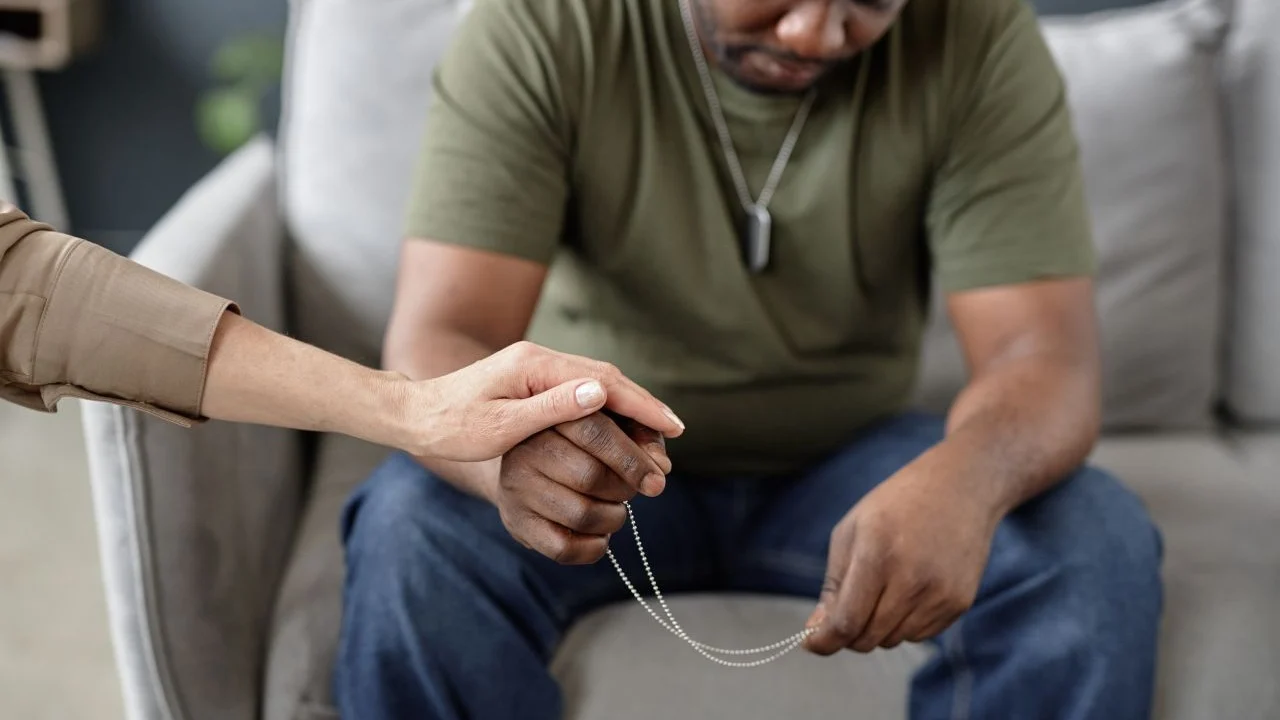
The Department of Health and Human Services and the Department of Veterans Affairs have signed a formal agreement to prepare the VA health system for future mental health treatment options involving ibogaine and other psychedelic drug therapies. The program depends if those treatments receive FDA approval.
A Unique Agreement
Announced July 13, 2026, the memorandum of understanding is a five-year, renewable commitment. It centers on a specific and unusual candidate: ibogaine, a naturally occurring psychedelic that the National Institute on Drug Abuse has studied for decades as a potential treatment for opioid use disorder. NIDA recently revived and validated data from that earlier ibogaine research and shared it with the FDA to help inform ongoing scientific review. It’s a rare instance of decades-old research being repurposed to support a current regulatory push.
In this case, the revival reflects a related executive order, Accelerating Medical Treatments for Serious Mental Illness. The White House has directed the VA to expand clinical trial participation and share data with the FDA, and NIDA data can lay the foundation of this program.
To that end, HHS and the VA will coordinate workforce training, develop clinical protocols and collect real-world data on the safety and effectiveness of future FDA-approved rapid-acting psychiatric drugs. HHS Secretary Robert F. Kennedy, Jr., relayed that the goal is to move promising treatments “from research into care” so veterans can access them once approved. VA Secretary Doug Collins called the partnership part of turning research into life-changing treatment for veterans.
Mental Health Links to Addictions
The HHS Advanced Research Projects Agency for Health is inviting researchers and companies to compete for funding to advance ibogaine research specifically, including work on dosing approaches meant to reduce the drug’s known risk of serious heart rhythm problems while preserving potential benefits. That combination, a psychedelic with real cardiac risk being fast-tracked specifically for opioid use disorder in veterans, is what sets this apart from typical mental health policy announcements.
This overlap between opioid use disorder and serious mental illness reflects a pattern common in dual diagnosis and co-occurring conditions, where addiction and mental health symptoms like PTSD, depression, or anxiety compound one another and require integrated treatment rather than separate, siloed care.
Dual Diagnoses Among Veterans
Veterans face elevated rates of co-occurring PTSD, depression, and substance use disorder, often stemming from combat exposure or the transition back to civilian life. Integrated treatment for dual diagnosis means addressing both the mental health condition and the substance use simultaneously, rather than treating one and hoping the other resolves on its own.
That’s partly why this agreement’s workforce training component matters. The workforce is already adapting to recent changes in drug policy, such as marijuana, to optimize production alongside workers’ health. In this case, clinicians need specific preparation to safely deliver any future FDA-approved psychedelic treatments to veterans who may also be managing substance use.
The Health Resources and Services Administration also seeks public input on how community-based providers, including Federally Qualified Health Centers and Certified Community Behavioral Health Clinics, should prepare their workforce and care models for these treatments if approved.
Existing Treatment Options
The FDA has also taken steps alongside the HHS-VA agreement, including a final guidance document for researchers on psychedelic drug clinical investigations and a public hearing scheduled for September. Currently, other states are also looking into psilocybin as a treatment option. FDA Acting Commissioner Kyle Diamantas noted the collective goal is to “speed the development and review of promising therapies while maintaining our rigorous standards for safety and effectiveness.”
NIH Director Jay Bhattacharya announced preliminary evidence that psychedelic therapies can affect brain function in ways that produce rapid improvement for people with serious mental illness or substance use disorders. But the director cautioned that more research is needed on long-term benefits, risks, and potential for misuse.
Comprehensive Treatment for Veterans
No psychedelic drug product has been approved by the FDA for these uses yet, and the agreement is a preparation for research framework rather than an active treatment offering. Veterans and families seeking mental health or substance use treatment today should continue pursuing currently available, including innovative counseling options and medication-assisted treatment for co-occurring opioid use disorder.
Beginning treatment often begins with a phone call. Dial 800-908-4823 (Sponsored) for comprehensive mental health and addiction treatment options, including dual diagnosis programs. Feel free to look through our directory for facilities located throughout the country.
Author

Terri Beth Miller, PhD
Read Bio
Terri Beth received her PhD in English literature from the University of Tennessee Knoxville and is an educator and disability studies scholar. For more than a decade, she has written extensively in the fields of mental health and addiction recovery and fiercely advocates for the destigmatization of mental illness.
Editor

Peter Lee, PhD
Read Bio
Peter W.Y. Lee is a writer and historian of American history during the Cold War. His primary focus is the relationship between youth and popular culture and its impact on U.S. society during the twentieth century. He has published widely on how the public has used popular culture as a mechanism to address political and social shifts throughout time
Articles About Alcohol & Treatment
HHS and VA Team Up to Advance Ibogaine Research for Veterans
HHS and VA Team Up to Advance Ibogaine Research for Veterans Published July 21, 2026 The Department of Health and Human Services and the Department of Veterans Affairs have signed a formal agreement to prepare the VA health system for future mental health treatment options involving ibogaine and other psychedelic drug therapies. The program depends…

Salsa Classes Ease Depression, May Reduce Addiction Risk
Salsa Classes Ease Depression, May Reduce Addiction Risk Published July 20, 2026 A new Oxford study finds that salsa classes eased depression and social anxiety in young adults. The finding may carry added significance given how closely untreated depression links to a higher risk of developing a substance use disorder. The randomized controlled trial adds…

Mediterranean Diet May Boost Senior Mental Health
Mediterranean Diet May Boost Senior Mental Health Published July 17, 2026 A new study suggests that the Mediterranean diet may boost senior mental health, as older adults who closely followed the eating pattern reported significantly better psychological well-being than peers who didn’t. The finding adds to a growing body of research relevant to dual diagnosis…