
Contact Lens Breakthrough Advances Depression Treatment
Published May 26, 2026
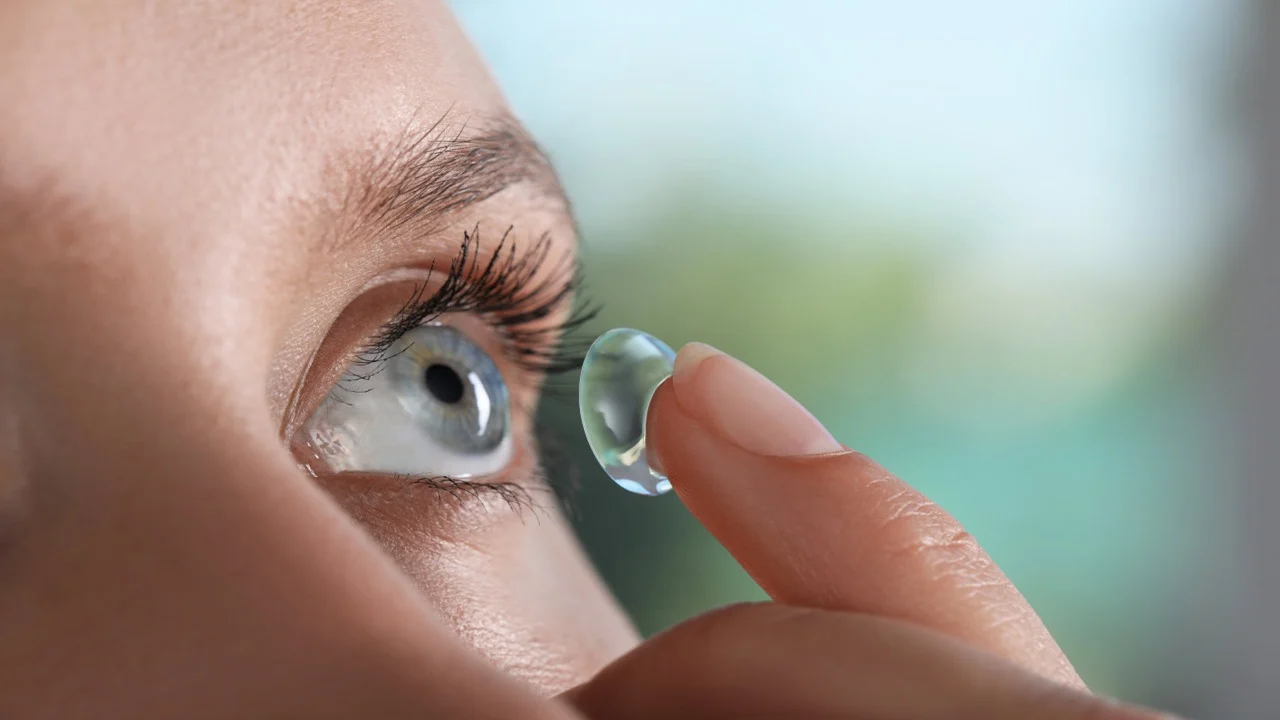
A striking new study has found that wearable contact lenses equipped with tiny electrodes may be as effective as Prozac at reducing symptoms of depression. It’s the first time that a contact lens has treated a brain disorder. The lens renews an urgent conversation in behavioral health: when depression treatment works, it may also help protect against addiction.
Scientists at Yonsei University have designed brain-stimulating contact lenses that deliver mild electrical signals to the brain via the retina. These pulses target specific brain regions associated with depression. But beyond the tech, this and other innovative approaches underscore how depression and addiction share the same neural wiring. Addressing one can meaningfully reduce the risk of the other.
A Lens to Link Depression and Addiction Risk
Depression doesn’t just cause emotional suffering. Left untreated, it significantly raises a person’s likelihood of developing substance use disorders.
Almost 33% of clinically depressed people use drugs or alcohol. These substances often act as self-medication to soothe the feelings of low self-worth, hopelessness and despair that characterize depression. But this relief is temporary and ultimately self-defeating because chemical intoxication makes depressive episodes more severe. The end result: increased frequency and intensity of negative thoughts and self-destructive behavior.
This cycle of depression driving substances and vice versa lies at the heart of why behavioral health professionals and state legislatures across the country emphasize early and comprehensive depression treatment to prevent addictions. Treating the underlying mood disorder interrupts the self-medication pattern before it becomes a diagnosable addiction.
Among people seeking treatment for substance use disorders, rates of major depression reach as high as 55%. Depression among this population often correlates with more severe illnesses, poorer social functioning and increased relapse risks.
The Lenses Battle Depression
The lenses use a technique called temporal interference and deliver two electrical signals that become active only at their precise targets. They stimulate deep brain regions without affecting the eye by using the retina as a natural doorway to the brain.
After three weeks of 30-minute sessions each day, mice showed nearly a 50% increase in serotonin levels and reduced blood corticosterone (a stress marker) and inflammatory molecules in the brain. The treatment reinforced the connections between the hippocampus and prefrontal cortex, which typically degrade during depression.
Those same brain regions are disrupted by chronic substance use. Drugs and alcohol weaken the prefrontal cortex’s ability to regulate impulse control and emotional response, while depression erodes the hippocampus’s role in memory and motivation. The result is a compounding neurological vulnerability, especially during traumatic events and triggers.
Senior author Jang-Ung Park noted the approach holds promise for treating anxiety, drug addiction, and cognitive decline. This single wearable device might one day address multiple dimensions of what behavioral health providers call a dual diagnosis.
Understanding Dual Diagnosis in Behavioral Health Treatment
Dual diagnosis refers to a combo of mental health and substance use disorders. In 2024, among adults 18 and older, 33% — roughly 86.6 million people — had a mental health condition or a substance use disorder in 2025. Many had both.
Integrated treatment at a residential treatment center addresses both conditions. Rather than treating the addiction in isolation and hoping the depression resolves, or vice versa, integrated programs use evidence-based therapies alongside medication management to target the shared brain pathways driving both.
Finding Treatment Now
The contact lens technology still needs to be made fully wireless and tested in larger animals before human trials can begin. But its development reinforces that depression is a biological, brain-based condition that responds to targeted interventions at the neurological level.
The most important takeaway from this research isn’t the technology itself. Rather, remember that depression is treatable, treating it reduces addiction risk and integrated care addressing both conditions produces better outcomes than treating either alone.
For anyone impacted by substance misuse or depression, evidence-based help is available right now. Call 800-908-4823 (Sponsored) to speak with a treatment specialist or browse our directory to find mental health and addiction care options in any location in the country.
Author

Courtney Myers, MS
Read Bio
Courtney Myers has more than 15 years of experience in online writing and editing. Since graduating from N.C. State University with an MS in Technical Communication, she’s helped clients improve their visibility and reach through expert-level content creation. She specializes in addiction recovery and behavioral healthcare topics.
Editor

Peter Lee, PhD
Read Bio
Peter W.Y. Lee is a writer and historian of American history during the Cold War. His primary focus is the relationship between youth and popular culture and its impact on U.S. society during the twentieth century. He has published widely on how the public has used popular culture as a mechanism to address political and social shifts throughout time
Articles About Alcohol & Treatment

Coordinated Care Helps Youth With Co-Occurring Disorders
Coordinated Care Helps Youth With Co-Occurring Disorders Published July 27, 2026 A rehabilitation expert is spotlighting how coordinated, multi-specialist care can better serve children facing both developmental and mental health challenges at once, a model that has clear parallels to dual diagnosis treatment for co-occurring disorders more broadly. Kelly Schneider, a rehabilitation expert at Easterseals…
Psilocybin Study Offers Clues for Dual Diagnosis Care
Psilocybin Study Offers Clues for Dual Diagnosis Care Published July 24, 2026 A single dose of psilocybin, the psychedelic compound in magic mushrooms, may produce measurable brain changes that last for a month, according to new research from UC San Francisco and Imperial College London. While the study enlisted healthy adults without diagnosed mental health…

Nicotine Use Tied to Teen Anxiety and Depression Risk
Nicotine Use Tied to Teen Anxiety and Depression Risk Published July 24, 2026 Adolescents who use nicotine, whether through cigarettes, vapes or nicotine pouches, are more likely to report anxiety, depression, and other mental health symptoms than peers who don’t. New research out of the University of Gothenburg pointed out that girls appear especially vulnerable.…
Browse Treatment Centers by State
-
 New York
Brain Body Medical
15 East 40th Street, 201, New York, NY 10016
Treatment Programs
- Dual Diagnosis
- Alcohol Rehab
- Opioid Addiction
- +0
-
 New York
Gotham Health Gouverneur Hospital
227 Madison Street New York, New York 10002
Treatment Programs
- Dual Diagnosis
- Young Adult Rehab
- Adult Program
- +4
-
 Louisiana
River Oaks Hospital Dual Diagnosis Program
1525 River Oaks Road West New Orleans, Louisiana 70123
Treatment Programs
- Alcohol Rehab
- Dual Diagnosis
- Opioid Addiction
- +5
-
 Pennsylvania
Mitchell Clinic
555 Harrison Street Emmaus, Pennsylvania 18049
Treatment Programs
- Alcohol Rehab
- Dual Diagnosis
- Opioid Addiction
- +5