
FDA Approves First At-Home Brain Stimulation for Depression
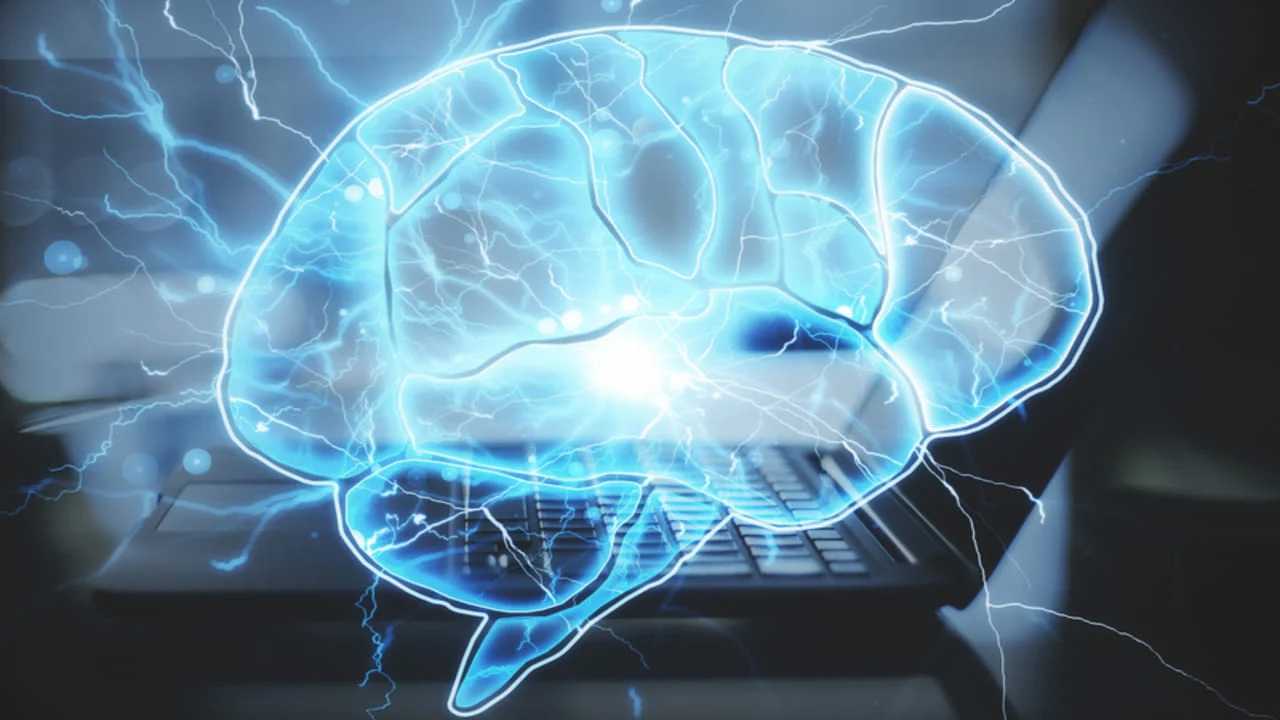
The U.S. Food and Drug Administration has approved the first prescription brain-stimulation device for at-home depression treatment. This marks a significant expansion in mental health treatment options beyond traditional medication and therapy.
The decision could particularly benefit individuals with co-occurring disorders who struggle with both depression and substance use. The technology offers a non-drug intervention that can be used alongside other therapies.
The Flow FL-100 headset approved on January 20, 2026 uses transcranial direct current stimulation to deliver gentle electrical currents to the brain’s prefrontal cortex. It’s a region critical to mood regulation.
For adults 18 and older with moderate to severe major depressive disorder, clinicians can now prescribe the device as standalone mental health treatment or in combination with antidepressants and counseling.
Mental Health and Addiction Connection
Current data suggests that depression affects more than 20 million adults in the United States with approximately one-third not achieving adequate relief from medication or discontinuing treatment due to side effects.
This statistic has particular relevance for dual diagnosis treatment, because research consistently shows that untreated depression significantly increases relapse risk in people recovering from substance use disorders.
Co-occurring disorders, the simultaneous presence of mental health conditions and addiction, require integrated treatment approaches that address both conditions together rather than separately.
The Flow FL-100’s approval expands treatment options for individuals who cannot tolerate psychiatric medications or who need additional interventions beyond traditional pharmacotherapy.
Non-drug depression treatment options are especially valuable for people struggling with addiction. Many individuals in early recovery prefer to minimize medication use when possible. Brain stimulation is an attractive alternative that doesn’t introduce new substances into the body.
Similar to online addiction treatment, this device provides the convenience of receiving mental health treatment from the comfort of your home.
How Brain Stimulation Technology Works
The FL-100 uses transcranial direct current stimulation. It’s a form of non-invasive brain stimulation that delivers low-intensity electrical current to targeted brain regions.
The technology specifically targets the prefrontal cortex. It’s a section of the brain that plays a central role in:
- Mood regulation and emotional processing
- Executive function and decision-making
- Stress response management
- Impulse control (relevant for both depression and addiction)
In many people with depression, electrical activity in the prefrontal cortex is reduced. By stimulating this region for approximately 30 minutes daily, the device aims to restore healthier brain signaling patterns over time.
The headset pairs with a mobile app that allows clinicians to monitor patient progress remotely. It’s an approach that supports ongoing care for mental health disorders and dual diagnosis without requiring frequent in-person visits.
Clinical Evidence Behind the Approval
The FDA based its approval on a randomized controlled trial evaluating home use under remote clinical supervision. According to the study published in Nature Medicine:
- Patients receiving active stimulation showed meaningful improvement on both clinician-rated and self-reported depression scales
- After 10 weeks of treatment, participants experienced an average symptom improvement of 58% compared to a control group
- Many users reported noticeable changes within the first three weeks
- Side effects were generally mild and short-term, including skin irritation, redness, headaches, and brief stinging sensations at electrode sites
These results suggest tDCS may provide clinically significant benefits for moderate to severe depression. The outcomes are comparable to some antidepressant medications but without systemic drug effects.
Understanding Treatment Modalities for Depression
The Flow FL-100 represents an emerging category of mental health treatment called neuromodulation, which alters brain activity through targeted physical intervention rather than chemical means. This approach joins other evidence-based depression treatment modalities:
Psychotherapy: Cognitive-behavioral therapy (CBT) and dialectical behavior therapy (DBT) are first-line treatments for depression and are particularly effective when combined with other interventions.
CBT helps patients identify and change negative thought patterns, while DBT adds emotional regulation and distress tolerance skills, both valuable for individuals with co-occurring disorders. It’s commonly used in intensive outpatient settings.
Pharmacotherapy: Antidepressant medications including SSRIs, SNRIs, and other classes remain standard mental health treatment options, though roughly one-third of patients don’t respond adequately to medication alone.
Combined approaches: Research consistently shows that combining therapy with other interventions, whether medication, brain stimulation or lifestyle changes, produces better outcomes than single-modality treatment for moderate to severe depression.
For individuals with dual diagnosis conditions, integrated treatment that addresses both mental health and addiction simultaneously is essential. The Flow device could become part of comprehensive care plans that include therapy, peer support and medication management.
Residential vs. Outpatient Mental Health Treatment
The at-home nature of the Flow FL-100 makes it particularly suited for outpatient mental health treatment settings. However, understanding different levels of care remains important:
Residential treatment centers provide 24-hour structured care in a therapeutic environment, appropriate for severe depression, suicide risk or dual diagnosis conditions requiring intensive support and medical monitoring.
Partial hospitalization programs offer full-day programming (typically 5-7 hours daily) while patients return home at night, serving as a step-down from residential care or step-up from outpatient services.
Intensive outpatient programs provide several hours of therapy multiple days per week, allowing patients to maintain work or school commitments while receiving substantial behavioral health support.
Standard outpatient therapy offers weekly or bi-weekly individual or group therapy sessions. It’s often combined with medication management for ongoing depression treatment.
The Flow device integrates into outpatient care models, with remote monitoring allowing clinicians to track adherence and symptom changes without requiring patients to attend additional appointments.
Broader Implications for Mental Health Care
Flow Neuroscience reports that more than 55,000 people across Europe, the United Kingdom, Switzerland, and Hong Kong have already used the device, and it is prescribed within parts of the UK’s public health system.
The U.S. approval signals growing acceptance of technology-enabled mental health treatment that extends clinical care into patients’ homes.
This trend toward tech-based behavioral health interventions accelerated during the COVID-19 pandemic and continues expanding.
Fox News noted that in 2025, UCLA Health researchers developed another experimental brain-stimulation approach, suggesting rapid growth in neuromodulation technologies.
Flow Neuroscience also plans to explore additional applications for its platform, including sleep disorders, alcohol addiction and traumatic brain injury—conditions that frequently co-occur with depression and complicate treatment planning.
Finding Comprehensive Mental Health Treatment
The Flow FL-100 is expected to become available to U.S. patients in the second quarter of 2026 and will require a prescription from a licensed healthcare provider. The companion app will be available on iOS and Android platforms.
For individuals seeking mental health treatment facilities or dual diagnosis treatment programs, important considerations include:
Evidence-based approaches: Verify that treatment centers use therapies with proven effectiveness, such as CBT, DBT, trauma-focused therapy or medication-assisted treatment for co-occurring disorders.
Integrated care models: For dual diagnosis conditions, seek facilities that treat mental health and addiction together rather than sequentially or separately.
Level of care assessment: Work with clinicians to determine whether outpatient therapy, intensive outpatient programming or residential treatment centers best match current symptom severity and support needs.
Insurance coverage: Contact your insurance provider to understand coverage for mental health treatment, including newer technologies like brain stimulation devices as they become available.
Medication management: When appropriate, ensure access to psychiatric providers who can prescribe and monitor medications for depression, anxiety or other mental health conditions.
Begin Your Recovery Today
TCD.com’s treatment centers directory includes mental health treatment facilities offering comprehensive care for depression, anxiety, trauma and co-occurring disorders. You can also call 800-908-4823 (Sponsored) for additional support.
Understanding Brain Stimulation for Depression
What is transcranial direct current stimulation (tDCS)? A non-invasive technique that uses low-intensity electrical current to modulate brain activity in regions associated with mood regulation.
How it works:
- Electrodes placed on the scalp deliver gentle electrical stimulation
- Targets the prefrontal cortex (brain region involved in mood and emotional processing)
- Used for approximately 30 minutes daily under medical supervision
- Effects build gradually over weeks of consistent use
Who it’s for:
- Adults 18+ with moderate to severe major depressive disorder
- People who haven’t responded adequately to antidepressants
- Individuals experiencing medication side effects
- Can be used alongside therapy and other treatments
What it’s NOT:
- Not a replacement for emergency mental health care
- Not appropriate for people in crisis or with active suicidal ideation
- Not intended for treatment-resistant depression requiring intensive intervention
- Requires prescription and clinical oversight
Other evidence-based depression treatments:
Electroconvulsive therapy (ECT) – for severe cases
Cognitive-behavioral therapy (CBT)
Dialectical behavior therapy (DBT)
Antidepressant medications
Transcranial magnetic stimulation (TMS) – clinic-based
Editor

Eric Owens
Read Bio
Eric Owens has been a writer and editor for various businesses as well as his own successful websites. He has extensive experience creating content in the health and wellness space and the sustainability space. He holds a bachelor degree in Philosophy which helped him with presenting complex information in a simple way that all audiences can understand.
Articles About Alcohol & Treatment

Coordinated Care Helps Youth With Co-Occurring Disorders
Coordinated Care Helps Youth With Co-Occurring Disorders Published July 27, 2026 A rehabilitation expert is spotlighting how coordinated, multi-specialist care can better serve children facing both developmental and mental health challenges at once, a model that has clear parallels to dual diagnosis treatment for co-occurring disorders more broadly. Kelly Schneider, a rehabilitation expert at Easterseals…
Psilocybin Study Offers Clues for Dual Diagnosis Care
Psilocybin Study Offers Clues for Dual Diagnosis Care Published July 24, 2026 A single dose of psilocybin, the psychedelic compound in magic mushrooms, may produce measurable brain changes that last for a month, according to new research from UC San Francisco and Imperial College London. While the study enlisted healthy adults without diagnosed mental health…

Nicotine Use Tied to Teen Anxiety and Depression Risk
Nicotine Use Tied to Teen Anxiety and Depression Risk Published July 24, 2026 Adolescents who use nicotine, whether through cigarettes, vapes or nicotine pouches, are more likely to report anxiety, depression, and other mental health symptoms than peers who don’t. New research out of the University of Gothenburg pointed out that girls appear especially vulnerable.…
Browse Treatment Centers by State
Top National Treatment Centers
-
 Florida
1 Solution Detox – CLOSED
2901 Broadway Ave West Palm Beach, Florida 33407
Treatment Programs
- Alcohol Rehab
- Opioid Addiction
- Drug Rehab
- +0
-
 California
10 Acre Ranch
5953 Grand Avenue Riverside, California 92504
Treatment Programs
- Alcohol Rehab
- Dual Diagnosis
- Opioid Addiction
- +4
-
 Wisconsin
10th Street Comprehensive Treatment Center
4800 South 10th Street Milwaukee, Wisconsin 53221
Treatment Programs
- Alcohol Rehab
- Opioid Addiction
- Drug Rehab
- +4
-
 Oklahoma
12 and 12
6333 East Skelly Drive Tulsa, Oklahoma 74135
Treatment Programs
- Alcohol Rehab
- Dual Diagnosis
- Opioid Addiction
- +4