
Why Chronic Pain Requires Dual Diagnosis Treatment
Published June 5, 2026
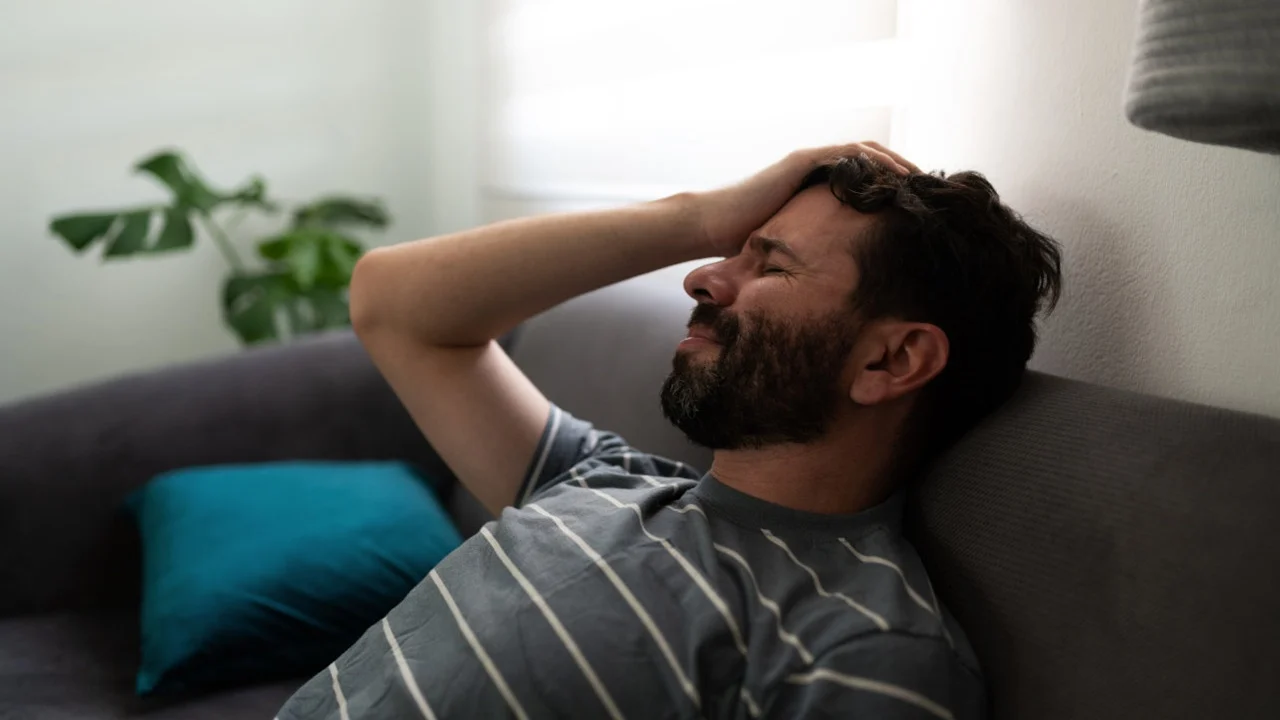
Chronic pain may need to be reclassified as a dual diagnosis condition that requires an integrated behavioral health approach used for co-occurring addiction and mental illness. The science behind this claim has significant implications for how mental health treatment facilities approach millions of Americans living with persistent pain.
Every year, an estimated 20% of U.S. adults — approximately 50 million people — have chronic pain, while 8% experience high-impact chronic pain. Psychiatric patients are at particularly elevated risk, with research showing high comorbidity rates between pain conditions and mental health disorders.
The Mental Health and Addiction Connection in Chronic Pain
The link between chronic pain and mental health is not just clinical observation; it now has a molecular basis. Researchers conducting blood gene expression studies in patients with major psychiatric disorders found that many of the same genes involved in pain overlap with genes linked to stress, mood disorders and cognitive conditions including hallucinations and memory problems.
The top biomarker decreased in high-pain states was CD55, a gene that suppresses inflammation and cell damage. The top biomarker increased in high-pain states was ANXA1, a driver of inflammatory processes. The medications that restored healthy expression of these genes included several already used in psychiatric care like lithium, valproate, sertraline and carbamazepine, not just conventional pain drugs.
This molecular overlap explains why so many people with chronic pain also struggle with co-occurring mental and substance use disorders. It also explains why current pain treatments frequently fall short, and why self-medicating techniques carry serious addiction risk.
Dual Diagnosis Treatment Must Include Pain
For behavioral treatment centers, these findings reframe chronic pain as a condition that belongs squarely within the dual diagnosis treatment framework. Pain disorders are not separate from psychiatric illness. Rather, they share biological pathways, worsen each other, and respond to many of the same interventions.
The researchers describe pain biologically as a disorder of over-reactivity — an acute response that, in some patients, persists long after the original physical trauma has resolved. They draw a direct parallel to PTSD, noting that psychological trauma and chronic pain overlap at the gene expression level. This means that trauma-focused therapies already used in residential treatment centers for PTSD may also have value for patients with chronic refractory pain.
Higher rates of chronic pain are reported among women, older adults, those living in poverty, adults with public health insurance, and rural residents — populations that also face the greatest barriers to accessing comprehensive mental health treatment.
Treatment Approaches for Co-Occurring Pain and Mental Health Conditions
The research points toward several treatment directions that align closely with what comprehensive behavioral health programs already offer. Using biomarker-based pharmacogenomics, the study identified the following as top medication matches for pain:
- Lithium — a mood stabilizer widely used in bipolar disorder treatment
- Omega-3 fatty acids — a nutraceutical also studied for depression
- Ketamine — an emerging treatment for both treatment-resistant depression and pain
- Vortioxetine — an antidepressant with cognitive benefits
- Valproate and carbamazepine — anticonvulsants used in both mood and pain disorders
- Quetiapine and carvedilol, a beta-blocker, are also potential pain treatments.
The researchers noted that conventional pain medications ranked lower on the list, suggesting significant room to improve current standards of care.
Beyond medication, evidence-based therapies central to dual diagnosis treatment programs address the stress, trauma, and emotional dysregulation that amplify pain:
- Behavioral therapy (CBT) in in-person or online formats targets depressive thinking, and substance-seeking behavior and builds distress tolerance for those managing chronic conditions
- Trauma-focused therapy addresses the biological and psychological overlap between
PTSD and nociplastic pain
- Mindfulness-based stress reduction (MBSR) and other holistic approaches support pain management and addiction recovery
Comprehensive Treatment for Pain and Mental Health
The researchers call for a precision medicine approach that uses biomarker panels to match individual patients to the most effective treatments across pain and psychiatric domains. Until those tools are widely available in clinical settings, the most effective path forward is treating the whole person.
If you or a loved one has chronic pain alongside depression or substance use disorders, integrated treatment centers offer the best chance at meaningful and lasting recovery. Fragmented care that treats pain here and addiction there leaves the underlying biology unaddressed.
Call 800-908-4823 (Sponsored) or browse our directory to find dual diagnosis treatment centers that treat chronic pain, addiction, and mental health together.
Author

Eric Owens
Read Bio
Eric Owens has been a writer and editor for various businesses as well as his own successful websites. He has extensive experience creating content in the health and wellness space and the sustainability space. He holds a bachelor degree in Philosophy which helped him with presenting complex information in a simple way that all audiences can understand.
Editor

Peter Lee, PhD
Read Bio
Peter W.Y. Lee is a writer and historian of American history during the Cold War. His primary focus is the relationship between youth and popular culture and its impact on U.S. society during the twentieth century. He has published widely on how the public has used popular culture as a mechanism to address political and social shifts throughout time
Articles About Alcohol & Treatment

Springfield, Missouri Approves $500K Mental Health Treatment Resource Map
Springfield, Missouri Approves $500K Mental Health Treatment Resource Map Published October 2, 2026 The city of Springfield has allocated $500,000 to create a map of mental health treatment and substance use resources in the city. To be clear, the state of Missouri has plenty of options for folks dealing with additions, but local recovery advocates…

Stone County, Mississippi Program Now Serves Women Only
Stone County, Mississippi Program Now Serves Women Only Published October 2, 2026 A church out in Mississippi changed its recovery program recently just for women. The Church of Turning Points in Stone County split its Life Recovery Program to create a women-only meeting. The group gathers each Thursday evening at 6:30 at the Sunflower Community…

UC San Diego Awarded $12.6 Million for Dual Diagnosis Research
UC San Diego Awarded $12.6 Million for Dual Diagnosis Research Published October 1, 2026 A new $12.6 million federal investment in addiction science could change how we use dual diagnosis treatment. Researchers at UC San Diego in California received the five-year award from the National Institute on Drug Abuse to launch the Polysubstance Addiction Research…
Browse Treatment Centers by State
-
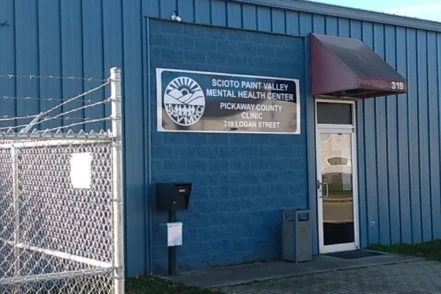 Ohio
OhioScioto Paint Valley Mental Health Center
145 Morris Rd Circleville, Ohio, 43113
Treatment Programs
- Men's Rehab
- Women's Rehab
- Alcohol Rehab
- +2
-
 Texas
TexasSouthwest Pain Clinic
<p>88 Briggs Avenue<br /> San Antonio, Texas 78207</p>
Treatment Programs
- +-3
-
 Georgia
CHRIS Kids
1017 Fayetteville Road, Suite B Atlanta, Georgia 30316
Treatment Programs
- Dual Diagnosis
- Young Adult Rehab
- Adult Program
- +2
-
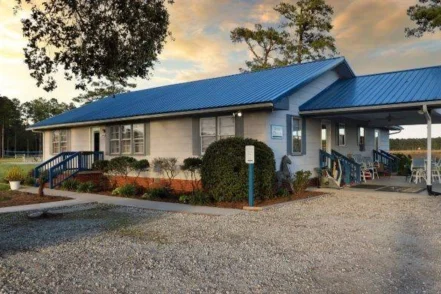 North Carolina
Brunswick Christian Recovery Center
1994 Ash Little River Road NW Ash, North Carolina 28420
Treatment Programs
- Alcohol Rehab
- Dual Diagnosis
- Opioid Addiction
- +5