
Psychiatrists Debate AI Suicide Screening in Mental Health Care
Published August 6, 2026

Emergency departments are often the last point of contact for people at risk of suicide, and a growing question in mental health treatment asks whether accrediting bodies should require hospitals to run artificial intelligence risk scoring on those patients. Experts now weigh in on the debate.
The Case for Requiring AI Screening
Advocates start from a blunt premise about human accuracy. A 2025 study of nearly 90,000 patients across outpatient, inpatient and emergency settings found clinician estimates of suicide attempt risk reached under the curve of 0.60 in the emergency department. That was the weakest of any setting. Layering machine learning models using up to 87 electronic health record predictors raised that figure to 0.76.
A 2022 study found that pairing face-to-face Columbia Suicide Severity Rating Scale screening with real-time machine learning outperformed either method used alone, particularly for predicting attempts. Accordingly, AI chatbots can enhance 988 calls or with routine mental health treatment.
Proponents also point to the Department of Veterans Affairs REACH-VET program. This program uses machine learning to flag the 0.1% of veterans at highest risk and trigger safety planning, closer monitoring and care coordination. It achieved a 5% reduction in documented suicide attempts after adjusting for cohort differences. The same can work with other at-risk groups like teens.
The Case Against
Critics argue the evidence base is too thin for a mandate. A 2025 systematic review examined 23 prior syntheses of AI suicide prediction models and rated only 4% as highly rigorous. Sixty-four percent were moderate, and the remainder were low or critically low. Nearly half involved fewer than 1,000 participants, and 86% included no risk-of-bias assessment.
Low prevalence especially raises low concerns. In a population with 1% prevalence, a model with 90% sensitivity and specificity produces a positive predictive value of just 8.3%. Accordingly, more than 90% flagged patients would be false positives in settings where a flag can influence involuntary holds and resource allocation.
Data quality compounds it. Up to 21% of health records contain errors. Critics also cite automation bias. A 2025 study found physicians shifted treatment recommendations toward AI suggestions in nearly two-thirds of cases where the model conflicted with their initial judgment, as AI often gives inaccurate advice or responses.
A 2026 review also reported up to 30% of physicians reversed correct initial diagnoses after seeing incorrect AI suggestions under time pressure.
In short, AI doesn’t replace human experience.
This Matters for Dual Diagnosis Care
People with co-occurring disorders are disproportionately represented in emergency psychiatric presentations. Substance use and mental health conditions interact in ways that raise acute risk, and the emergency department is frequently where both surface at once.
Risk scoring systems draw on prior visits, diagnostic codes and medication history and therefore weigh heavily on folks with dual diagnoses. Someone with a documented history of substance use, repeat emergency visits and psychiatric diagnoses accumulates risk raising warning flags, even if those flags don’t reflect current risk. The stigma and coercion concerns raised in the counterpoint fall hardest here.
Dual diagnosis treatment addresses substance use and mental health conditions together rather than sequentially because treating one while ignoring the other produces worse outcomes for both. Integrated programs use group behavioral therapy, trauma-focused approaches and medication management under coordinated clinical oversight.
Comprehensive Treatment Regardless of AI
Behavioral treatment centers vary widely in whether they genuinely integrate mental health and substance use care and house services under one roof. Ask how treatment plans are coordinated, whether psychiatric and addiction clinicians meet as one team, and how the program handles crisis stabilization.
That’s where we come in. Our browsable directory lists mental health treatment facilities and dual diagnosis treatment programs by location, level of care and insurance accepted.
You can also dial 800-908-4823 (Sponsored) to chat with an expert to explore outpatient and inpatient options alongside other traditional and holistic approaches.
Author

Quentin Blount
Read Bio
Quentin brings nearly a decade of experience as a writer, editor, and digital publisher to his role as Content Manager for Rehab.com. He aims to help people better understand their treatment options by creating engaging and informative content that is user-friendly, factually accurate, and optimized for search engine visibility. In his free time, Quentin enjoys the company of his friends, family, and his dog, Coop.
Editor

Peter Lee, PhD
Read Bio
Peter W.Y. Lee is a writer and historian of American history during the Cold War. His primary focus is the relationship between youth and popular culture and its impact on U.S. society during the twentieth century. He has published widely on how the public has used popular culture as a mechanism to address political and social shifts throughout time
Articles About Alcohol & Treatment
Psychiatrists Debate AI Suicide Screening in Mental Health Care
Psychiatrists Debate AI Suicide Screening in Mental Health Care Published August 6, 2026 Emergency departments are often the last point of contact for people at risk of suicide, and a growing question in mental health treatment asks whether accrediting bodies should require hospitals to run artificial intelligence risk scoring on those patients. Experts now weigh…

YouTube Still Sends Eating Disorder Videos to Teen Accounts
YouTube Still Sends Eating Disorder Videos to Teen Accounts Published August 6, 2026 Families researching dual diagnosis treatment for a teenager have a new evidence about what shapes the recovery environment for their child. A report found that YouTube’s recommendation system still surfaces harmful eating disorder content to accounts registered as 13 year old girls,…

Shared Genes Found in Anxiety and Alcohol Use Disorders
Shared Genes Found in Anxiety and Alcohol Use Disorders Published August 5, 2026 People seeking help for anxiety and drinking often go to two different systems, a mental health provider for one and an addiction program for the other. A new genomic study makes a strong biological argument for why that split doesn’t serve them…
Browse Treatment Centers by State
-
 Washington
A Change Into Recovery
719 East Main Avenue, Suite C Puyallup, Washington 98372
Treatment Programs
- Alcohol Rehab
- Opioid Addiction
- Drug Rehab
- +4
-
 Texas
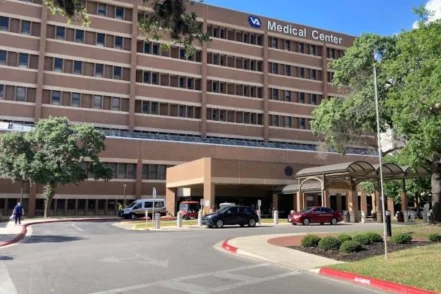
TexasAudie L Murphy Veterans Hospital
<p>7400 Merton Minter St<br /> San Antonio, Texas 78207</p>
Treatment Programs
- +-3
-
 North Carolina
Dixon Social Interactive Services Greenville
313 Clifton Street Greenville, North Carolina 28578
Treatment Programs
- Alcohol Rehab
- Dual Diagnosis
- Opioid Addiction
- +4
-
 Pennsylvania
Hogar Crea International of Pennsylvania Inc
26 Green Street Lancaster, Pennsylvania 17602
Treatment Programs
- Young Adult Rehab
- Alcohol Rehab
- Drug Rehab
- +1