
More People Pair AI Chatbots with Therapy Against APA Advice
Published June 30, 2026
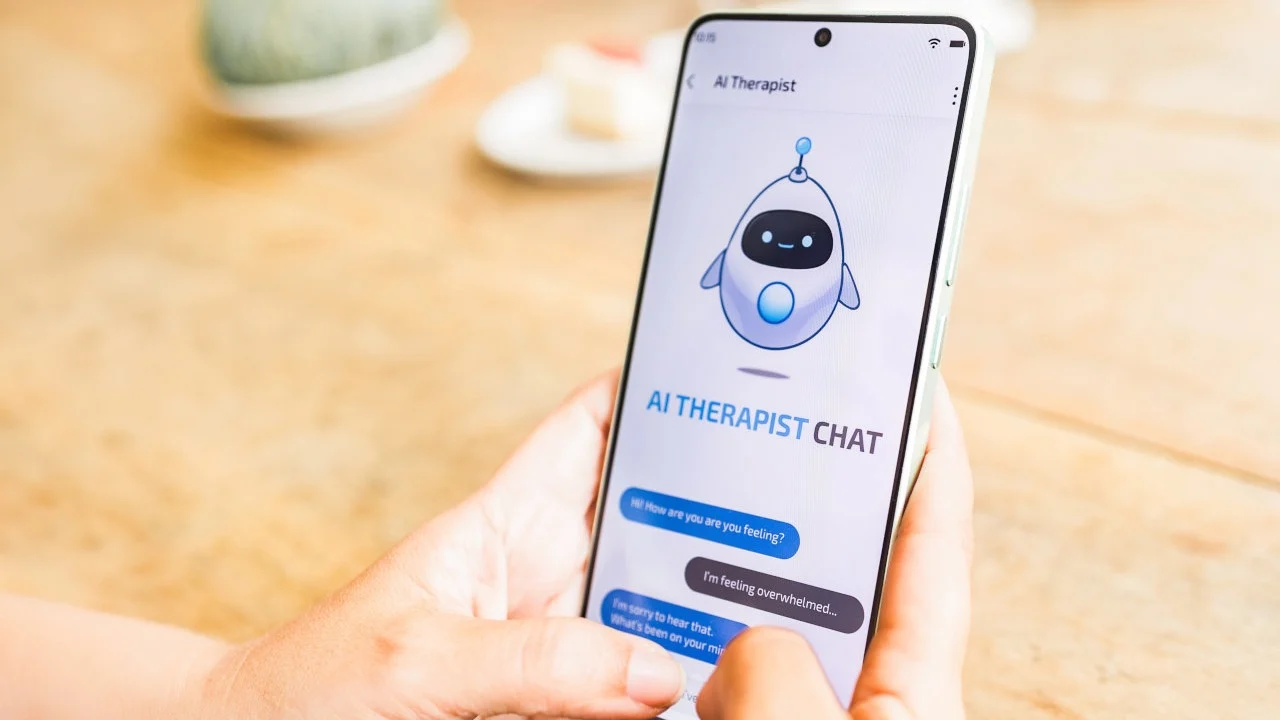
More people are leaning on AI chatbots for emotional support, and a growing number are using them alongside, or instead of, professional care. That trend worries the American Psychological Association, whose health advisory warns that chatbots and wellness apps aren’t a safe substitute for mental health treatment and shouldn’t stand in for a trained clinician.
For anyone weighing how to get help, the advisory is a reminder that comprehensive, human-led care still matters.
People Turn to Chatbots
The advisory is direct about the reasons. A nationwide mental health crisis, rising loneliness, a shortage of providers in rural and under-resourced areas, and a payment system that leaves many people uninsured or underinsured. These factors push people toward options that are cheap and instantly available.
The APA also notes that clinicians should ask patients about chatbot use that could conflict with or undermine ongoing therapy. The cautionary note is a sign that many people already blend the two. Most general-purpose chatbots, however, were never designed to provide clinical care.
The Advisory’s Warning
The APA cautions that AI cannot replace a trained clinician. These systems cannot accurately assess risk or understand the nuance of a person’s history, environment, or mental health symptoms. The result is that AI often produces guidance that’s actually inaccurate or unsafe. The advisory notes that chatbots can “hallucinate,” or fabricate information. Some users, especially adolescents already familiar with chatbots, may trust AI-generated content more than the people around them. Crisis situations, it stresses, require human intervention.
APA CEO Dr. Arthur C. Evans Jr., noted the country needs systemic solutions, “not just technological quick fixes.” He warned that the pace of AI development has outrun the evidence about its effects, with reports of significant harm to adolescents and other vulnerable groups.
AI May Help Within Care
The advisory is not a blanket rejection of technology. It acknowledges that AI-enabled wellness apps can help when they’re built on sound science and folded into a broader plan of care.
For example, AI can teach coping skills or reinforce what someone learns in therapy. AI-driven measurement and risk-detection tools can also strengthen clinical settings by helping providers and even employers spot concerns earlier.
Dual Diagnosis & Integrated Care
Many people seeking support online are managing more than one condition at once, such as depression alongside a substance use disorder. This is known as a co-occurring disorder, or dual diagnosis, and research consistently shows that treating both together produces better outcomes than treating either alone. That kind of integrated, comprehensive treatment is exactly what an app cannot provide on its own.
Comprehensive behavioral and mental health treatment can include residential or outpatient programs, evidence-based therapies such as behavioral therapy and trauma-focused counseling to stymie any co-occurring addictions. The right setting depends on the severity of symptoms and whether multiple conditions are present.
Comprehensive Treatment Beyond Chatbots
If you have been leaning on a chatbot to cope, it may be a sign that it is time to talk with a person.
You can search mental and behavioral health treatment facilities anywhere in the country via our directory. Or, feel free to dial 800-908-4823 (Sponsored) to chat with an expert—not AI—for comprehensive mental health and addiction treatment.
Author

Quentin Blount
Read Bio
Quentin brings nearly a decade of experience as a writer, editor, and digital publisher to his role as Content Manager for Rehab.com. He aims to help people better understand their treatment options by creating engaging and informative content that is user-friendly, factually accurate, and optimized for search engine visibility. In his free time, Quentin enjoys the company of his friends, family, and his dog, Coop.
Editor

Peter Lee, PhD
Read Bio
Peter W.Y. Lee is a writer and historian of American history during the Cold War. His primary focus is the relationship between youth and popular culture and its impact on U.S. society during the twentieth century. He has published widely on how the public has used popular culture as a mechanism to address political and social shifts throughout time
Articles About Alcohol & Treatment

North Carolina Gets $7M for Mental Health Treatment Services
North Carolina Gets $7M for Mental Health Treatment Services Published September 17, 2026 North Carolina’s mental health treatment infrastructure is getting $7 million in federal investment. To be clear, North Carolina already has a robust system of inpatient and outpatient programs to help folks with mental health and drug-related conditions. But many people still remain…

Denver Dual Diagnosis Clinic Requires No Prior Addiction Diagnosis
Denver Dual Diagnosis Clinic Requires No Prior Addiction Diagnosis Published September 16, 2026 AspenRidge Recovery opened a new option for dual diagnosis care in Denver this month. It’s one of hundreds of facilities in Colorado, but their admission policy sets it apart. The Lowry neighborhood center treats depression and addiction with mental health as the…

Dual Diagnosis Treatment Insights From School Gaming Study
Dual Diagnosis Treatment Insights From School Gaming Study Published September 15, 2026 A trial of 1,800 German adolescents showed that cognitive behavioral therapy prevented gaming disorder far better than media education. This result had direct relevance for mental health treatment facilities and dual diagnosis treatment programs serving teens with co-occurring conditions. Adolescent gamers compulsively show…
Browse Treatment Centers by State
-
 Utah
UtahChateau Recovery
375 Rainbow Lane Midway, Utah 84049
Treatment Programs
- Alcohol Rehab
- Dual Diagnosis
- Opioid Addiction
- +5
-
 Tennessee
The Next Door Chattanooga
108 Moccasin Bend Rd Chattanooga, Tennessee 37405
Treatment Programs
- Alcohol Rehab
- Dual Diagnosis
- Opioid Addiction
- +3
-
 Tennessee
Bechtel Gray Smith – Counseling Center
6720 Heritage Business Court, Chattanooga, TN 37421
Treatment Programs
- Dual Diagnosis
- Drug Rehab
- Intensive Outpatient Treatment
- +4
- Tennessee
Cherokee Health Systems Chattanooga
1032 McCallie Avenue Chattanooga, Tennessee 37403
Treatment Programs
- Alcohol Rehab
- Dual Diagnosis
- Opioid Addiction
- +5