
Probiotic Helps Seniors Feel Less Depressed in Study
Published June 26, 2026

A small clinical study suggests a daily probiotic, taken alongside standard antidepressants, may give seniors a modest extra boost against feeling depressed and anxious. For anyone navigating mental health treatment for an aging parent or themselves by looking at potential alternative treatments, the finding is an early but encouraging look at how gut health may support the brain.
Inside the Trial
Researchers in India enrolled 58 adults, all of whom at least 60 years old and with moderate depression. Every participant continued their usual antidepressant treatment, either medications or holistic care regimens. The research team randomly assigned the adults to take either a daily probiotic supplement or a placebo for 12 weeks. Researchers then monitored them for another 12 weeks.
Both groups improved substantially. The team didn’t find clear evidence that probiotics improved overall quality of life compared with placebo.
The probiotic group, however, saw greater reductions in symptoms for depression and anxiety. Researchers measured these results by using established psychological rating scales, brain-protein biomarkers and analyses of participants’ gut bacteria.
Connecting Mental and Behavioral Health
Scientists are increasingly interested in the gut-brain connection, the idea that the trillions of microbes in the digestive tract may influence mood and mental health. Probiotics are live microorganisms that support a healthy balance of gut bacteria, and researchers want to know whether they can complement traditional behavioral health care for conditions like depression and anxiety.
The study authors stressed the findings are preliminary given the small size, and that they need to run larger trials to confirm how much benefit probiotics provide and identify those most likely to respond. “The results of our study are novel, and we are now planning a follow-up, larger-scale clinical trial,” relayed co-author Dr. Saibal Das.
Recognize Dual Diagnosis and Find Treatment Options
Depression and anxiety often do not travel alone. Many people live with co-occurring disorders, meaning a mental health condition alongside a substance use disorder. In fact, one often feeds the other.
Thus, integrated treatment, or dual diagnosis, addresses both at once rather than in isolation. Research consistently shows that this approach leads to better outcomes than treating either condition by itself.
Adjunct approaches that improve general health may eventually fit into that broader comprehensive treatment picture.
Comprehensive mental health treatment spans several levels of care, especially for seniors at risk of untreated drug addiction. Residential programs offer structured, round-the-clock support, while outpatient options allow people to live at home.
Evidence-based therapies such as behavior therapy are mainstays for depression and anxiety. medication management and addiction treatment meds are often part of the plan. For older adults especially, coordinating with existing prescriptions matters.
Comprehensive Treatment in the USA
If you are looking for help with depression, anxiety, or co-occurring conditions, a treatment centers directory can help you compare inpatient and outpatient centers.
To get started, simply look through the listings in our directory for any neighborhood in the country. Or, feel free to call 800-908-4823 (Sponsored) to speak with an expert who can help you find mental health and addiction care.
Author

Courtney Myers, MS
Read Bio
Courtney Myers has more than 15 years of experience in online writing and editing. Since graduating from N.C. State University with an MS in Technical Communication, she’s helped clients improve their visibility and reach through expert-level content creation. She specializes in addiction recovery and behavioral healthcare topics.
Editor

Peter Lee, PhD
Read Bio
Peter W.Y. Lee is a writer and historian of American history during the Cold War. His primary focus is the relationship between youth and popular culture and its impact on U.S. society during the twentieth century. He has published widely on how the public has used popular culture as a mechanism to address political and social shifts throughout time
Articles About Alcohol & Treatment

Ohio Drug Court Graduates Credit Dual Diagnosis Treatment
Ohio Drug Court Graduates Credit Dual Diagnosis Treatment Published October 21, 2026 Three men graduated from Fulton County Drug Court this month with more than a certificate. Scott Ward, Michael Burch and Mathias Petersen left the program employed and two had more than two years of sobriety under their belts. Each story also reflected the…

Substance Abuse Treatment Expands Across Eight Alabama Prisons
Substance Abuse Treatment Expands Across Eight Alabama Prisons Published October 20, 2026 Out in Alabama, Governor Kay Ivey has awarded $280,806 to the Alabama Department of Corrections to fund the Residential Substance Abuse Treatment program in eight state jails for 12 months. These facilities include Julia Tutwiler Prison for Women and William E. Donaldson Correctional…

Washington County, Pennsylvania Symposium Tackles Addiction Treatment
Washington County, Pennsylvania Symposium Tackles Addiction Treatment Published October 20, 2026 About 155 people visited into the Pennsylvania Trolley Museum in Washington but not for history. Rather, the occasion marked the third annual Road to Recovery Symposium in Pennsylvania. It brought together schools, hospitals, rehabs, court and jail personnel, faith groups and county drug and…
Browse Treatment Centers by State
-
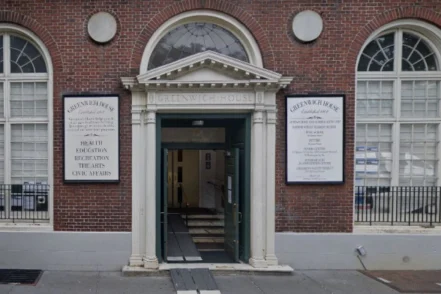 New York
Greenwich House Senior Health and Consultation Center
27 Barrow Street New York, New York 10014
Treatment Programs
- Dual Diagnosis
- Young Adult Rehab
- Adult Program
- +3
-
 Nevada
Carson Community Mental Health
1665 Old Hot Springs Road Carson City, Nevada 89706
Treatment Programs
- Dual Diagnosis
- +-2
-
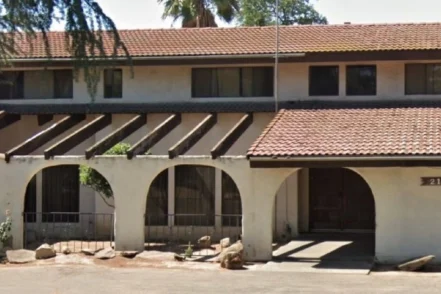 California
A Lujan Recovery Programs
2183 West San Jose Avenue Fresno, California 93711
Treatment Programs
- Alcohol Rehab
- Opioid Addiction
- Drug Rehab
- +3
-
 Nevada
Problem Gambling Center
7881 West Charleston Boulevard, Ste 240, Las Vegas, NV 89117
Treatment Programs
- Adult Program
- Dual Diagnosis
- Drug Rehab
- +1