
National Study Tracks Rising Depression and Overdose Trends
Published June 26, 2026

As depression and overdose deaths rise across the country, a national research effort is mapping the forces behind those trends, and the findings point to why comprehensive, dual diagnosis treatment matters more than ever. Mental health and substance often fuel each other, and treating them together rather than in isolation is increasingly seen as the standard of good care.
The CLIMB study, led in part by researchers at the Johns Hopkins Bloomberg School of Public Health, is among the few nationally representative longitudinal studies tracking mental health and life stressors over time.
CLIMB’s Findings
CLIMB has surveyed more than 2,000 active participants in partnership with the National Opinion Research Center at the University of Chicago, following the same people over time to track long-term trends, especially during and after the COVID-19 pandemic.
Among its findings, the study reported a threefold increase in depressive symptoms during the pandemic and a current widespread unmet need for mental health care. Surveyors noted that two in three adults in the United States experience depressive symptoms, which correlates with a worldwide mentla health crisis. The research has also contributed to substance use disorder work, finding that 30% of Americans know someone who has died from a drug overdose.
“Mental health touches every community,” Johns Hopkins officials noted. “Even if individuals don’t face these challenges personally, someone close to them likely does.”
The Link Between Mental Health and Addiction
The overlap between rising depression and rising overdose deaths isn’t a coincidence. Mental health disorders and substance misuse frequently reinforce each other. Someone with untreated depression or anxiety may turn to cannabis or alcohol to cope. Unfortunately, this type of self-medication rarely works, and substance use often deepens mental health symptoms over time.
That’s why behavioral health experts emphasize treating the whole person rather than one diagnosis at a time. Dr. Catherine Ettman at Johns Hopkins helped lead the study and focuses on the financial, social, and physical “assets” that support mental health. Understanding access to those resources, Ettman relayed, is key to identifying opportunities to improve mental well-being.
Dual Diagnosis & Care Options
Dual diagnosis, also called co-occurring disorders, refers to having both a mental health condition and a substance use disorder at the same time. Integrated treatment addresses both, because treating only one often leaves the other to undermine recovery. When depression and addiction are treated in the same program, people tend to do better than when the conditions are handled separately.
Comprehensive care can take several forms depending on a person’s needs. Residential and inpatient programs offer structure and around-the-clock support, while outpatient services allow people to receive care while living at home.
Evidence-based therapies for co-occurring disorders include behavioral therapy to help people reframe unhelpful thought and emotion patterns. Medications for depression, anxiety, or substance use disorders are often part of an integrated plan.
The CLIMB team continues to expand its work, including new research on the relationship between economic mobility and mental health over time, supported by a Johns Hopkins Nexus Award. The broader goal, researchers say, is to inform policies that support prevention and resilience.
Comprehensive Treatment in the USA
If you or a loved one has any mental health condition alongside drug use, look for integrated care plans so both conditions are addressed at the same time. Search mental health treatment facilities and behavioral treatment centers in your area, and ask whether they treat co-occurring disorders.
Our directory can help you find comprehensive mental health and addiction treatment no matter your location. Also, feel free to dial 800-908-4823 (Sponsored) to speak to a specialist.
Author

Courtney Myers, MS
Read Bio
Courtney Myers has more than 15 years of experience in online writing and editing. Since graduating from N.C. State University with an MS in Technical Communication, she’s helped clients improve their visibility and reach through expert-level content creation. She specializes in addiction recovery and behavioral healthcare topics.
Editor

Peter Lee, PhD
Read Bio
Peter W.Y. Lee is a writer and historian of American history during the Cold War. His primary focus is the relationship between youth and popular culture and its impact on U.S. society during the twentieth century. He has published widely on how the public has used popular culture as a mechanism to address political and social shifts throughout time
Articles About Alcohol & Treatment

Springfield, Missouri Approves $500K Mental Health Treatment Resource Map
Springfield, Missouri Approves $500K Mental Health Treatment Resource Map Published October 2, 2026 The city of Springfield has allocated $500,000 to create a map of mental health treatment and substance use resources in the city. To be clear, the state of Missouri has plenty of options for folks dealing with additions, but local recovery advocates…

Stone County, Mississippi Program Now Serves Women Only
Stone County, Mississippi Program Now Serves Women Only Published October 2, 2026 A church out in Mississippi changed its recovery program recently just for women. The Church of Turning Points in Stone County split its Life Recovery Program to create a women-only meeting. The group gathers each Thursday evening at 6:30 at the Sunflower Community…

UC San Diego Awarded $12.6 Million for Dual Diagnosis Research
UC San Diego Awarded $12.6 Million for Dual Diagnosis Research Published October 1, 2026 A new $12.6 million federal investment in addiction science could change how we use dual diagnosis treatment. Researchers at UC San Diego in California received the five-year award from the National Institute on Drug Abuse to launch the Polysubstance Addiction Research…
Browse Treatment Centers by State
-
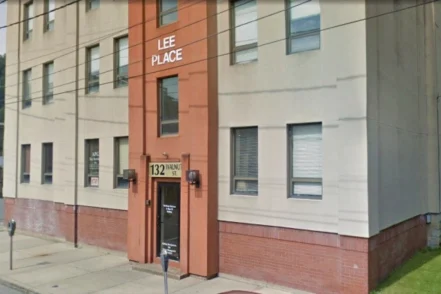 Pennsylvania
Crossroads of Johnstown
132 Walnut Street, 2nd Floor, Johnstown, PA 15901
Treatment Programs
- Opioid Addiction
- Drug Rehab
- Adult Program
- +7
-
 Tennessee
Adventure Program
<p>1003 North Broadway Street<br /> Johnson City, Tennessee 37601</p>
Treatment Programs
- +-3
-
 Illinois
Dr John Warne
422 West White Street Clinton, Illinois 61727
Treatment Programs
- +-3
-
 Michigan
Community Healing Centers
2615 Stadium Drive, Kalamazoo, MI 49008
Treatment Programs
- Dual Diagnosis
- Young Adult Rehab
- Adult Program
- +6