
Low Dose Naltrexone Offers Safer Option for Pain and Addiction
Published June 25, 2026
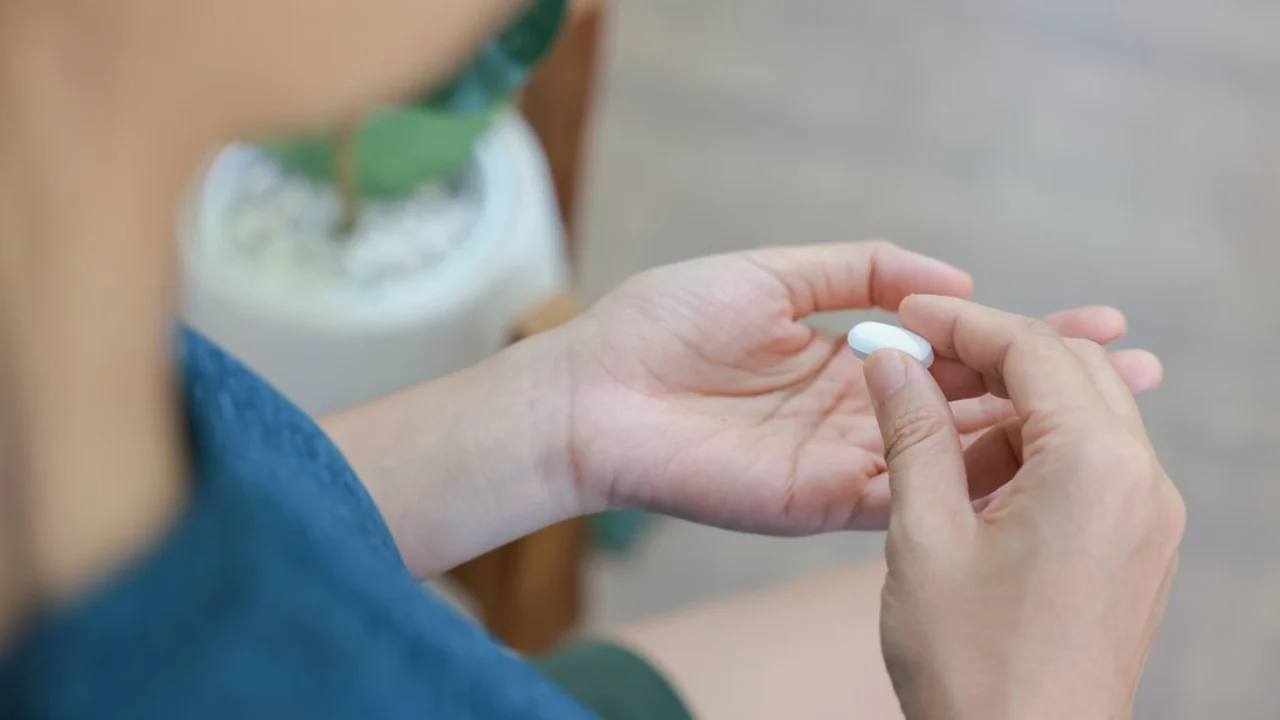
Chronic pain and substance use are deeply intertwined, which makes any safer, non-addictive pain option relevant to comprehensive treatment. A growing body of interest around low-dose naltrexone points to where pain care and behavioral health increasingly meet, and why dual diagnosis treatment matters for people managing pain and addiction risk.
Low Dose Naltrexone
Naltrexone was originally developed to treat opioid and alcohol dependence. Prescribers now issue the medication in much smaller doses to address chronic pain conditions that have long resisted conventional treatment for pain. Naltrexone’s expanded role reflects a broader movement toward safer non-opioid interventions and personalized care preferences.
At low doses, the drug works differently. Instead of blocking opioid’s effects entirely, naltrexone interacts with receptors and triggers an increase in endorphins. The process can cut down on inflammation in the central nervous system.
The Mental Health and Addiction Connection
Why does pain medication matter for behavioral health treatment? Because chronic pain rarely travels alone. It frequently co-occurs with depression, which itself can fuel substance use, and opioid pain treatment carries dependence risk. A non-addictive option is especially appealing for folks in recovery or at risk for opioid use disorders.
The reported benefits extend beyond pain. Patients often report improvements in sleep quality, fatigue, and cognitive symptoms, dimensions that overlap directly with mental health. Its non-addictive nature and distinct mechanism make naltrexone particularly relevant in an era focused on reducing dependency risks.
Dual Diagnosis & Treatment Options
Co-occurring disorders are when a person experiences a mental health or medical condition alongside a substance use disorder. Integrated treatment addresses them together rather than in isolation, because treating one while ignoring the other tends to undermine both. For someone with chronic pain and a history of opioid misuse, that integration makes the difference between a coordinated plan and conflicting ones.
Remember that low-dose naltrexone isn’t a standalone fix. It’s increasingly integrated into multimodal pain management strategies alongside physical therapy, holistic interventions, and other non-opioid medications.
Clinicians also stress individualized dosing, since effective doses can vary significantly between patients, requiring careful titration. The same personalized, whole-person logic drives effective dual diagnosis care.
We should be wary about limitations; some studies have shown limited or inconsistent benefits. The discrepancies underscore the need for larger standardized clinical trials.
Comprehensive Treatment Available Now
If you or a loved one has to manage chronic pain alongside addiction risk or a mental health condition, look for treatment facilities and dual diagnosis treatment programs that coordinate medical and behavioral care. Ask about integrated medication management and evidence-based counseling.
Browse through our directory or dial 800-908-4823 (Sponsored) to speak with an expert about comprehensive mental health and addiction treatment.
Author

Nikki Wisher, BA
Read Bio
Nikki Wisher is an Atlanta-based content writer who specializes in health and wellness. After earning her BA in English, she has been writing in the health and wellness space for over a decade, with credits ranging from addiction recovery to fitness to aesthetics and skin care. This includes her inclusive running blog forallrunners.com.
Editor

Peter Lee, PhD
Read Bio
Peter W.Y. Lee is a writer and historian of American history during the Cold War. His primary focus is the relationship between youth and popular culture and its impact on U.S. society during the twentieth century. He has published widely on how the public has used popular culture as a mechanism to address political and social shifts throughout time
Articles About Alcohol & Treatment
Low Dose Naltrexone Offers Safer Option for Pain and Addiction
Low Dose Naltrexone Offers Safer Option for Pain and Addiction Published June 25, 2026 Chronic pain and substance use are deeply intertwined, which makes any safer, non-addictive pain option relevant to comprehensive treatment. A growing body of interest around low-dose naltrexone points to where pain care and behavioral health increasingly meet, and why dual diagnosis…

New Muncie Treatment Center Adds Detox and Dual Diagnosis Care
New Muncie Treatment Center Adds Detox and Dual Diagnosis Care Published June 25, 2026 Families in Muncie will soon have a closer option for detox and dual diagnosis treatment, the integrated care that addresses substance use and mental health conditions together. Indiana Treatment Centers is opening a new facility to service residents in Central Indiana…

Puppy Program Aids Inmates with Dual Diagnosis in Florida
Puppy Program Aids Inmates with Dual Diagnosis in Florida Published June 24, 2026 As Charlie Brown might say, happiness is a warm puppy, and a Florida recovery program is drawing attention for an unusual addition to its toolkit: dogs. Perhaps best of all, animal-assisted therapy points to a core idea in behavioral health. The participants…
Browse Treatment Centers by State
-
 Texas
TexasSouthwest Pain Clinic
<p>88 Briggs Avenue<br /> San Antonio, Texas 78207</p>
Treatment Programs
- +-3
-
 Oklahoma
Axis HealthCare Primary Care, Pain Management & Suboxone
220 West 71st St S Suite 2, Tulsa, OK 74132
Treatment Programs
- Dual Diagnosis
- Opioid Addiction
- Drug Rehab
- +0
-
 Iowa
IowaPrelude Behavioral Services Synchrony
438 Southgate Avenue Iowa City, Iowa 52240
Treatment Programs
- Alcohol Rehab
- Dual Diagnosis
- Opioid Addiction
- +4
-
 Georgia
CHRIS Kids
1017 Fayetteville Road, Suite B Atlanta, Georgia 30316
Treatment Programs
- Dual Diagnosis
- Young Adult Rehab
- Adult Program
- +2