
Sound Therapy Supports Mental Health and Addiction Recovery

Sound-based rituals are gaining traction as a complement to mental health treatment and addiction recovery programs, offering a drug-free tool for people managing anxiety, depression, trauma and co-occurring disorders.
With roughly 23% of U.S. adults living with a mental illness, and only about half receiving care, behavioral health providers are increasingly open to holistic approaches that support engagement and healing across the full spectrum of recovery.
Why Sound Therapy Resonates With People in Recovery
One of the central challenges in addiction recovery is learning to regulate emotions without substances.
For many people, drug or alcohol use began as a way to manage untreated anxiety, depression, PTSD or chronic stress.
When those underlying conditions go unaddressed, relapse risk remains high.
This is why dual diagnosis treatment, addressing both addiction and mental health simultaneously, produces stronger long-term outcomes than treating either condition alone.
Sound therapy fits naturally into this framework. Mollie Mendoza is a music artist at the Integrative Psychology Institute.
He describes the practice as a somatic tool for releasing stored emotional energy, tension, trauma and dysregulation held in the body that talk therapy alone may not fully reach.
Because sound healing requires no prior experience and no intense effort, it also lowers the barrier to entry for people who feel disconnected from traditional therapeutic modalities or are early in their recovery journey.
“You simply have to listen to the music and let it wash over you,” Mendoza explains. “Let the music do its work as you listen and relax.”
Mental Health and Addiction Connection
Addiction and mental health conditions are deeply intertwined. The Substance Abuse and Mental Health Services Administration estimates that more than 9 million adults in the U.S. live with co-occurring substance use and mental health disorders.
Sound therapy can serve as a bridge. By promoting nervous system regulation, reducing cortisol and creating a sense of safety and calm, it supports the physiological conditions under which deeper therapeutic work becomes possible.
For people in residential treatment centers or outpatient behavioral health programs, incorporating sound-based practices alongside evidence-based addiction treatments like CBT and DBT can help address the emotional roots of addictive behavior, not just its symptoms.
Mendoza notes that group sound healing sessions carry a particular benefit for people in recovery.
He stated, “There can be incredible power and peace in finding grounding and meditation among others who are also seeking hope and healing, so you can feel supported and hopefully look at your neighbors with more compassion, too.”
That sense of shared experience and community mirrors the relational healing that is central to recovery from addiction.
Science-Backed Support for Behavioral Health
The clinical case for holistic treatments sound therapy is growing. UCLA Health has documented measurable reductions in tension, depression and anger among sound healing participants.
Other research shows improvements in memory, attention and mental clarity, cognitive functions that are often compromised during active addiction and early recovery.
A 2013 American Psychological Association report found that music therapy could lower stress hormones, support immune function and reduce pain, in some cases outperforming pharmaceutical interventions.
For people in addiction recovery who are working to reduce reliance on substances for emotional regulation, these drug-free results carry significant weight.
Treatment Approaches Used in Sound-Based Therapy
Several formats are now incorporated into holistic mental health and addiction treatment settings:
Binaural beats use two slightly different audio frequencies, one in each ear, to help the brain shift into calmer, more focused states, which can ease anxiety and reduce cravings during early recovery.
Sound baths use instruments like singing bowls, gongs, and chimes to create an immersive environment of sustained vibration, supporting the deep relaxation that many people in recovery struggle to access without chemical assistance.
Vibroacoustic therapy delivers low-frequency sound through mats and chairs paired with physical vibration, directly targeting the muscle tension and nervous system dysregulation that often accompany withdrawal and chronic stress.
Mendoza has developed her own format, “Heart Songs,” combining ambient vocals, ritualistic structure and cacao ceremonies to guide participants into meditative, regulated states.
She will serve as resident artist at a live music and meditation space opening in Santa Barbara, California this year.
It shows that these treatment approaches are extending beyond executive drug rehabs and being more widely available to the public.
Finding Comprehensive Dual Diagnosis Treatment
Sound therapy is most effective as part of an integrated care plan that addresses both addiction and mental health together.
Residential treatment centers and outpatient behavioral health programs that incorporate complementary modalities, alongside CBT, DBT, trauma therapy and medication management, offer the most comprehensive path to lasting recovery.
If you or someone you love is struggling with addiction, depression, anxiety, PTSD or co-occurring disorders, comprehensive treatment is available.
Search treatmentcentersdirectory.com’s listings to find a treatment center near you. Call 800-908-4823 (Sponsored) to speak with a specialist and find dual diagnosis treatment programs.
Editor

Eric Owens
Read Bio
Eric Owens has been a writer and editor for various businesses as well as his own successful websites. He has extensive experience creating content in the health and wellness space and the sustainability space. He holds a bachelor degree in Philosophy which helped him with presenting complex information in a simple way that all audiences can understand.
Articles About Alcohol & Treatment

A Guide to Veterans’ Drug Rehab & Addiction Treatment
A Guide to Veterans’ Drug Rehab & Addiction Treatment Addiction is no respecter of persons. It’s an enemy that can strike anyone, anywhere, and at any time. It does not discriminate based on age, gender identity, sexual orientation, color, or creed. It is an equal opportunity adversary. In fact, a 2020 report from the Centers…

How Your Environment Impacts Recovery
How Your Environment Impacts Recovery Learning how your environment impacts recovery is an important lesson to learn. In 2010, I made the terrible decision to get behind the wheel after drinking too many glasses of wine. A couple of miles away from my apartment, I crashed into another car. I seriously injured two of its…

Do the Foods You Eat in Early Recovery Matter?
Do the Foods You Eat in Early Recovery Matter? You may hear folks in recovery with a bit of time under their belt tell you not to worry about what foods you eat in early recovery. In fact, some sobriety literature even encourages carrying around bags of candy to replace the sugar that you may…
Browse Treatment Centers by State
Top National Treatment Centers
-
 Florida
1 Solution Detox – CLOSED
2901 Broadway Ave West Palm Beach, Florida 33407
Treatment Programs
- Alcohol Rehab
- Opioid Addiction
- Drug Rehab
- +0
-
 California
10 Acre Ranch
8605 Janet Avenue, Riverside, CA 92503
Treatment Programs
- Alcohol Rehab
- Dual Diagnosis
- Opioid Addiction
- +7
-
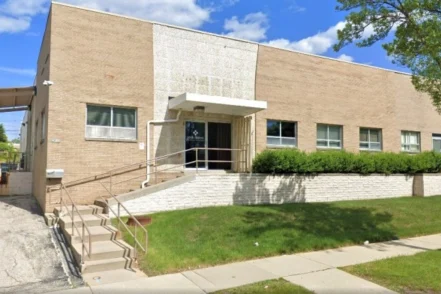 Wisconsin
10th Street Comprehensive Treatment Center
4800 South 10th Street, Milwaukee, WI 53221
Treatment Programs
- Alcohol Rehab
- Opioid Addiction
- Drug Rehab
- +8
-
 Oklahoma
GRAND Addiction Recovery Center
6333 East Skelly Drive, Tulsa, OK 74135
Treatment Programs
- Alcohol Rehab
- Dual Diagnosis
- Opioid Addiction
- +4