
UC San Diego Awarded $12.6 Million for Dual Diagnosis Research
Published October 1, 2026

A new $12.6 million federal investment in addiction science could change how we use dual diagnosis treatment. Researchers at UC San Diego in California received the five-year award from the National Institute on Drug Abuse to launch the Polysubstance Addiction Research Center, or PARC.
The center focuses on a common premise. Folks rarely contend with only one substance. Depression, anxiety and trauma often pop up alongside alcohol and drugs. That makes integrated dual diagnosis treatment vital for lasting recovery.
Mental Health & Addictions
Dual diagnoses mean that someone has substance use disorders and mental health conditions, such as opioid addiction combined with depression. These co-occurring disorders feed each other, so treating one condition leads to relapse in the other. Integrated programs that address both at once consistently produce better outcomes than separated care.
“Addiction research has traditionally been divided into separate areas,” like alcohol and drugs as two categories, noted Dr. Olivier George, the director of PARC.
Here’s an example. Someone who drinks and also misuses prescription opioids doesn’t have two isolated problems. Their treatment plan, medication strategy and therapy goals all interact.
PARC
Rather than focusing on a single drug, PARC will study cocaine, oxycodone, alcohol and the combination of cocaine and oxycodone under one coordinated strategy. The work revolves around what the center calls its “One-Individual Multiscale Atlas” to connect genes, individual cells, brain circuits, peripheral organs and behavior.
Three components drive the research:
- Brain connectomics examines how addiction changes brain networks.
- Brain transcriptomics studies changes in genes in specific brain cells.
- Gut-vagus multiomics investigates how the gut and vagus nerve, which connects the brain with organs, influence addiction.
They’ll compare findings with human genetic, brain imaging and other bio datasets to understand how changes at one level relate to others.
Integrated Research Matters for Treatment
The center’s first aim is to identify biological markers tied to vulnerability for addiction-related behaviors via machine-learning methods to integrate data. The second aim tests whether biological targets actually influence behavior by applying medications and other interventions to cellular stress, immune signaling and gut-brain communication.
Comprehensive Treatment in The Golden State & Beyond
Research like this takes years to reach clinical practice, but people with co-occurring disorders need integrated care now.
Getting started is made simpler with our directory. Simply browse our listings to find mental health treatment facilities and dual diagnosis treatment programs across the country.
Feel free to also dial 800-908-4823 (Sponsored) to speak with someone about options to tackle addiction and mental health together.
Author

Quentin Blount
Read Bio
Quentin brings nearly a decade of experience as a writer, editor, and digital publisher to his role as Content Manager for Rehab.com. He aims to help people better understand their treatment options by creating engaging and informative content that is user-friendly, factually accurate, and optimized for search engine visibility. In his free time, Quentin enjoys the company of his friends, family, and his dog, Coop.
Editor

Peter Lee, PhD
Read Bio
Peter W.Y. Lee is a writer and historian of American history during the Cold War. His primary focus is the relationship between youth and popular culture and its impact on U.S. society during the twentieth century. He has published widely on how the public has used popular culture as a mechanism to address political and social shifts throughout time
Articles About Alcohol & Treatment

Springfield, Missouri Approves $500K Mental Health Treatment Resource Map
Springfield, Missouri Approves $500K Mental Health Treatment Resource Map Published October 2, 2026 The city of Springfield has allocated $500,000 to create a map of mental health treatment and substance use resources in the city. To be clear, the state of Missouri has plenty of options for folks dealing with additions, but local recovery advocates…

Stone County, Mississippi Program Now Serves Women Only
Stone County, Mississippi Program Now Serves Women Only Published October 2, 2026 A church out in Mississippi changed its recovery program recently just for women. The Church of Turning Points in Stone County split its Life Recovery Program to create a women-only meeting. The group gathers each Thursday evening at 6:30 at the Sunflower Community…

UC San Diego Awarded $12.6 Million for Dual Diagnosis Research
UC San Diego Awarded $12.6 Million for Dual Diagnosis Research Published October 1, 2026 A new $12.6 million federal investment in addiction science could change how we use dual diagnosis treatment. Researchers at UC San Diego in California received the five-year award from the National Institute on Drug Abuse to launch the Polysubstance Addiction Research…
Browse Treatment Centers by State
-
 New York
Brain Body Medical
15 East 40th Street, 201, New York, NY 10016
Treatment Programs
- Dual Diagnosis
- Alcohol Rehab
- Opioid Addiction
- +0
-
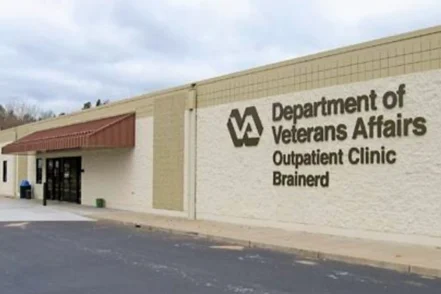 Minnesota
Brainerd VA Clinic
722 Northwest 7th Street, Brainerd, MN 56401
Treatment Programs
- Dual Diagnosis
- Adult Program
- Senior Rehab
- +5
-
 Minnesota
Northern Pines Mental Health – Brainerd
520 Northwest 5th Street, Brainerd, MN 56401
Treatment Programs
- Adult Program
- Dual Diagnosis
- Young Adult Rehab
- +1
-
 Minnesota
Essentia Health Saint Joseph Medical Center Brainerd
523 North 3rd Street, Brainerd, MN 56401
Treatment Programs
- Alcohol Rehab
- Drug Rehab
- Adult Program
- +6