
Most College Students with Psychosis are Not Getting Mental Health Treatment
Published June 3, 2026

A new study reveals a troubling treatment gap: the majority of college students diagnosed with psychosis aren’t receiving the comprehensive mental health treatment they need. For many, unaddressed substance use may be compounding the problem.
The Treatment Gap in Campus Mental Health
Nearly 8 in 10 college students with psychosis reported believing they needed mental health support. But 60% of them didn’t receive the current recommended guidelines for antipsychotic medication and therapy. The numbers correlate with a growing mental health provider shortage gripping the nation.
The research, led by Boston University School of Public Health, drew on data from the Healthy Minds Study, the nation’s largest survey of student mental health. Researchers analyzed responses from 2,819 college students with a psychosis diagnosis between 2015 and 2024. They examined 12-month histories with therapy, counseling and antipsychotic medication.
Going it alone without even one of the recommended three components of care — counseling, therapy, and medication — often has serious consequences, researchers observed. Lead author Clara Godoy-Henderson emphasized that early intervention improves outcomes related to quality of life, schooling and employment, symptom severity and relapse rate.
Adding to the concern is that many individuals delay seeking care for an average of 74 weeks after symptoms begin. That’s more than a year of untreated psychosis, a window during which substance use disorders frequently take hold.
The Mental Health & Addiction Connection
What the study doesn’t fully capture is how often psychosis and substance use collide. For young adults on college campuses, this intersection is common and dangerous.
The co-occurrence of severe mental illness and addictions to social media or, more commonly, substance use disorder, is common among young people. Substance use disorders can occur at any phase of the mental illness, even inducing psychosis.
Conditions like schizophrenia and psychoses often co-occur with alcohol and opioid abuse. Researchers note that early interventions for patients with substance use, followed by behavioral therapy and family counseling, can improve recovery outcomes. Relapse rates go down, symptom severity decreases, and quality of life improves.
Cannabis use is a particularly significant risk factor for young adults. Multiple studies have demonstrated that adolescent cannabis use is associated with increased risk of psychosis. Many teens use cannabis as a means of self-medication, but studies show that using drugs as a way to cope often doesn’t work.
Heavy substance use is associated with depression or severe first episodes of psychosis, leading to worsening clinical outcomes. Substance misuse can lead to lower compliance with psychiatric medications, contributing to higher utilization of costly services by people with co-occurring disorders compared to those with severe mental illness alone.
Understanding Dual Diagnosis in Young Adults
When a person experiences psychiatric conditions — such as depression or bipolar disorder — and substance use disorders simultaneously, this is known as a co-occurring disorder or dual diagnosis. For college students, the stressors of academic pressure, isolation and heavy social media use, and easy access to substances create a high-risk environment for both conditions to emerge and reinforce each other.
Dual diagnosis treatment addresses both disorders at once through integrated behavioral health care, rather than treating each in isolation. Research consistently shows that treating only one condition without acknowledging the other leads to higher relapse rates and poorer long-term outcomes.
Dual Diagnosis Treatment Approaches That Work
For college-aged individuals with psychosis and co-occurring substance use, evidence-based treatment centers for teens and young adults offer integrated care that may include:
- Coordinated specialty care (CSC): A team-based model specifically designed for early psychosis that combines therapy, medication management, supported education and family involvement.
- Behavioral therapy: Helps patients identify thought and emotion patterns that fuel psychotic symptoms and substance use behaviors to address both conditions simultaneously.
- Medication-assisted treatment (MAT): Addresses both antipsychotic medication adherence and substance use disorder, often with psychiatrist oversight in residential or intensive outpatient settings.
- Motivational interviewing (MI): Helps young adults ambivalent about treatment — a core finding of this study — build internal motivation to engage with care.
Support systems play crucial roles to identify and navigate early psychosis symptoms. For families, recognizing the signs of both psychosis and substance use and acting quickly can be life-changing.
Comprehensive Mental Health Treatment
If a college student in your life is showing signs of psychosis, withdrawal from daily activities, increased substance use, or confusion about reality, these may be warning signs of a co-occurring condition requiring integrated behavioral health care.
Don’t wait out the 74-week average. The earlier dual diagnosis treatment begins, the better the outcomes. Call 800-908-4823 (Sponsored) today or look through our directory to find comprehensive mental health and addiction treatment near any university or location throughout the country.
Author

Courtney Myers, MS
Read Bio
Courtney Myers has more than 15 years of experience in online writing and editing. Since graduating from N.C. State University with an MS in Technical Communication, she’s helped clients improve their visibility and reach through expert-level content creation. She specializes in addiction recovery and behavioral healthcare topics.
Editor

Peter Lee, PhD
Read Bio
Peter W.Y. Lee is a writer and historian of American history during the Cold War. His primary focus is the relationship between youth and popular culture and its impact on U.S. society during the twentieth century. He has published widely on how the public has used popular culture as a mechanism to address political and social shifts throughout time
Articles About Alcohol & Treatment

North Carolina Gets $7M for Mental Health Treatment Services
North Carolina Gets $7M for Mental Health Treatment Services Published September 17, 2026 North Carolina’s mental health treatment infrastructure is getting $7 million in federal investment. To be clear, North Carolina already has a robust system of inpatient and outpatient programs to help folks with mental health and drug-related conditions. But many people still remain…

Denver Dual Diagnosis Clinic Requires No Prior Addiction Diagnosis
Denver Dual Diagnosis Clinic Requires No Prior Addiction Diagnosis Published September 16, 2026 AspenRidge Recovery opened a new option for dual diagnosis care in Denver this month. It’s one of hundreds of facilities in Colorado, but their admission policy sets it apart. The Lowry neighborhood center treats depression and addiction with mental health as the…

Dual Diagnosis Treatment Insights From School Gaming Study
Dual Diagnosis Treatment Insights From School Gaming Study Published September 15, 2026 A trial of 1,800 German adolescents showed that cognitive behavioral therapy prevented gaming disorder far better than media education. This result had direct relevance for mental health treatment facilities and dual diagnosis treatment programs serving teens with co-occurring conditions. Adolescent gamers compulsively show…
Browse Treatment Centers by State
-
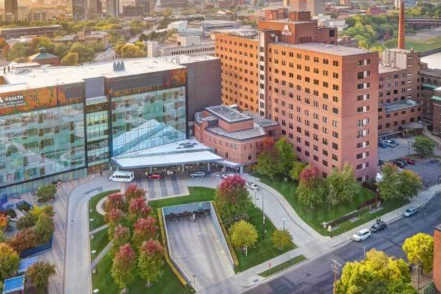 Minnesota
M Health Fairview University of Minnesota Medical Center West Bank
2450 Riverside Avenue Minneapolis, Minnesota 55454
Treatment Programs
- Drug Rehab
- Dual Diagnosis
- +-1
-
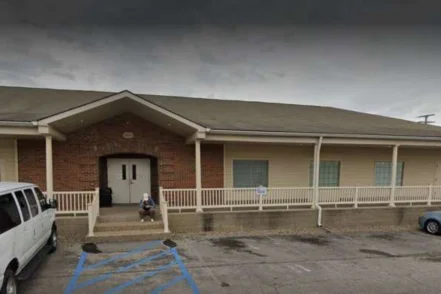 Indiana
LifeSpring Health Systems – Floyd County Office
2820 Grant Line Road, APT 10, New Albany, IN 47150
Treatment Programs
- Dual Diagnosis
- +-2
-
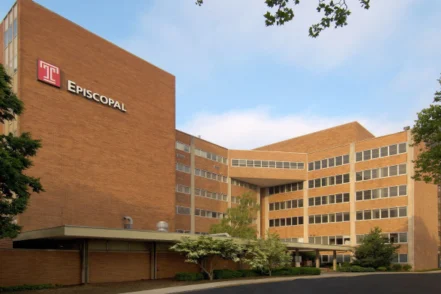 Pennsylvania
Temple University Hospital Episcopal Campus
100 East Lehigh Avenue, Philadelphia, PA 19125
Treatment Programs
- Dual Diagnosis
- Adult Program
- Senior Rehab
- +5
-
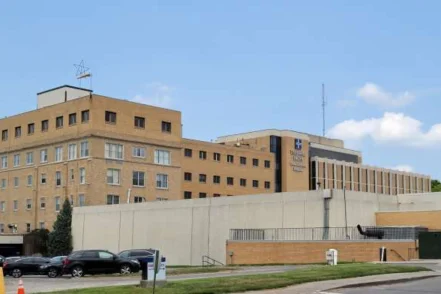 Iowa
IowaUnityPoint Health Iowa Lutheran Hospital
700 East University Avenue Des Moines, Iowa 50316
Treatment Programs
- Alcohol Rehab
- Drug Rehab
- LGBTQ Friendly Rehab
- +0