
Bodybuilding Competition Pressure Can Fuel Addiction
Published July 22, 2026

A bodybuilder’s account of years spent cycling through steroids, growth hormone, and off-label insulin use is a clear illustration of a pattern behavioral treatment centers see across competitive pursuits. The drive among athletes to win or to meet a physical standard can harden into compulsion, and that compulsion can escalate into a full substance use disorder or dependencies that needs dual diagnosis treatment to resolve.
The Bodybuilder’s Story
Jamie Mantzouridis, now 29, started using steroids at 21 after noticing other men at his gym who were larger and more defined, and who told him steroids were how they got there. After that, his first cycle was trenbolone, a powerful compound originally developed for cattle and considered one of the harsher anabolics available.
Over the following years he added growth hormone and insulin. People take insulin to manage their diabetes, but bodybuilders sometimes supplement it with creatine to push carbohydrates into muscle tissue even though it can send a healthy person into a hypoglycemic coma.
However, the turning point came in 2022. After feeling very dizzy, he recalled how he “had to run out and get some sugar because I felt like I was going to collapse.” Mantzouridis pointed out that the moment forced a reckoning: “This is messed up. What am I doing to myself?” After that moment, he stopped using. Now, Mantzouridis works as a nutritionist and online personal trainer to help others navigate fitness goals without the same risks he took on.
Competition Drives Compulsion Toward Addiction
Bodybuilding revolves around a standard that’s never quite reached: more size, more definition, a slightly lower body fat percentage than last time. That structure, chasing a moving target against other competitors, fuels the exact kind of unhealthy environment where compulsive behavior takes root.
Indeed, Mantzouridis has also spoken about the pressure men face around body image. This pressure has intensified with social media and adds a constant, public scoreboard to a pursuit many already have a hard time trying to walk away from.
What starts as a performance strategy to gain an edge can shift into something the person feels they can’t stop, even after the health risks become undeniable. Shifting from a choice tied to competition into a compulsion despite clear harm affects other high-pressure competitive activities like beauty pageants or sports. It’s precisely why clinicians must treat substance use tied to competitive or performance-driven pursuits as a behavioral health issue, not just a physical dependence.
A Broader Picture of Dual Diagnosis
Dual diagnosis, sometimes called a co-occurring disorder, describes a situation where someone experiences both a substance use disorder and a mental or behavioral health condition at the same time. Nevertheless, in cases like this one, the co-occurring condition is more of a compulsive inability to stop chasing a competitive or physical standard even if risking serious harm.
Treating the substance use in isolation without addressing the compulsion driving it often leaves the underlying risk in place. Indeed, someone can complete a program focused only on stopping steroid use and still carry the same all-or-nothing competitive mindset into the next pursuit, physical or otherwise.
Treatment Options for Compulsion and Substance Use
Behavioral inpatient and outpatient treatment centers that specialize in dual diagnosis care typically combine several approaches for cases like this. You’ll find some common approaches below:
- Medical monitoring for the physical effects of anabolic steroids, growth hormone, and insulin that affect the heart, liver and hormone regulation.
- Behavioral therapy to address the all-or-nothing thinking and compulsive drive that often underlies performance-enhancing drug use.
- Individual and group therapy to treat substance use and underlying compulsions as connected, not separate problems.
- Ongoing support for body image, competitive drive, and self-esteem issues that persist well after someone stops using performance-enhancing drugs.
Comprehensive Treatment That Fits Any Lifestyle
Anyone whose relationship with a competitive pursuit, fitness, or performance-enhancing substances and feels out of their control doesn’t need to wait for a health scare to get support.
That’s where we come in. Begin today. Our browsable directory includes behavioral treatment centers and dual diagnosis treatment programs that address substance use and the compulsive patterns that often drive it.
Accordingly, you can call 800-908-4823 (Sponsored) to speak with a specialist about comprehensive mental health and addiction treatment options anywhere in the country.
Author

Quentin Blount
Read Bio
Quentin brings nearly a decade of experience as a writer, editor, and digital publisher to his role as Content Manager for Rehab.com. He aims to help people better understand their treatment options by creating engaging and informative content that is user-friendly, factually accurate, and optimized for search engine visibility. In his free time, Quentin enjoys the company of his friends, family, and his dog, Coop.
Editor

Peter Lee, PhD
Read Bio
Peter W.Y. Lee is a writer and historian of American history during the Cold War. His primary focus is the relationship between youth and popular culture and its impact on U.S. society during the twentieth century. He has published widely on how the public has used popular culture as a mechanism to address political and social shifts throughout time
Articles About Alcohol & Treatment

Social Media Addiction Linked to Co-Occurring Behavioral Risks
Social Media Addiction Linked to Co-Occurring Behavioral Risks Published June 22, 2026 Social media addiction may be functioning as a pathway into other behavioral addictions like gambling, gaming, and shopping among adolescents and young adults, according to a new conceptual review. This latest research adds to the case for treating co-occurring conditions together rather than…
Bodybuilding Competition Pressure Can Fuel Addiction
Bodybuilding Competition Pressure Can Fuel Addiction Published July 22, 2026 A bodybuilder’s account of years spent cycling through steroids, growth hormone, and off-label insulin use is a clear illustration of a pattern behavioral treatment centers see across competitive pursuits. The drive among athletes to win or to meet a physical standard can harden into compulsion,…

Group Therapy Eases Isolation for Co-Occurring Disorders
Group Therapy Eases Isolation for Co-Occurring Disorders Published July 21, 2026 July is Social Wellness Month, and behavioral health providers use the observance to highlight a treatment tool that matters most for people managing co-occurring disorders: connection. For instance, out in Florida, many facilities, such as DeSoto Memorial Hospital’s behavioral health division, focused on how…
Browse Treatment Centers by State
-
 New Jersey
Center for Family Services Building Bridges
180 White Horse Pike Clementon, New Jersey 08021
Treatment Programs
- Dual Diagnosis
- Young Adult Rehab
- Men's Rehab
- +1
-
 Hawaii
Wahiawa Medical Building
302 California Avenue, Suite 212 Wahiawa, Hawaii 96786
Treatment Programs
- Dual Diagnosis
- Young Adult Rehab
- Adult Program
- +3
-
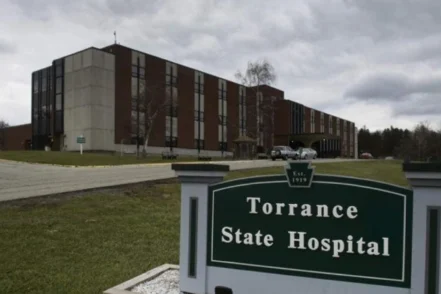 Pennsylvania
Torrance State Hospital Greizman Building
121 Longview Drive Torrance, Pennsylvania 15779
Treatment Programs
- Dual Diagnosis
- +-2
-
 Michigan
Michigan Medicine Burlington Building
325 East Eisenhower Parkway Ann Arbor, Michigan 48108
Treatment Programs
- Dual Diagnosis
- Young Adult Rehab
- Adult Program
- +4