
Minnesota 988 Lifeline Calls Triple Since 2022 Launch
Published July 28, 2026

Calls, texts, and chats to Minnesota’s 988 Suicide and Crisis Lifeline have climbed steadily since the service launched in July 2022, according to new data from the Minnesota Department of Health. Contacts grew from about 25,000 in the program’s first six months to roughly 83,000 in the first half of 2026 alone, more than tripling the pace of the original launch period.
Even though The North Star State ta already offers many effective programs for substance misuse and mental health conditions, the escalation in numbers reflects a growing shortage of mental health providers across the country. The lifeline has now answered more than 370,000 contacts since it began.
The Role of 988
988 exists to support anyone in emotional distress. That includes people whose mental health crises are tangled up with substance use. Crisis lifelines nationally are built to respond to suicide risk, mental health emergencies, and substance use crises alike because in practice these rarely arrive as separate, cleanly divided problems. A person calling about overwhelming anxiety may also use alcohol or drugs to cope, even though this approach rarely works.
Conversely, a person in an addiction crisis often has an underlying or co-occurring mental health condition driving part of the picture.
Dual Diagnosis and 988
This is the core challenge behind dual diagnosis, also called co-occurring disorders. When a mental health condition and a substance use disorder happen at the same time, each makes the other harder to treat if they aren’t addressed together.
Co-occurring disorders are common. Depression, anxiety, PTSD, and bipolar disorder frequently appear alongside substance use disorders, sometimes because a person began using a substance to manage untreated mental health symptoms, and sometimes because the substance use itself worsens or triggers mental health symptoms over time. Treating only one condition while ignoring the other produces worse outcomes than treating both together. That’s why integrated care is the standard recommendation for folks with suspected dual diagnoses.
Rising crisis line usage is one visible sign of a much larger, mostly invisible need. For every contact 988 answers, many more people quietly live with unaddressed mental health and substance use symptoms who haven’t reached out yet. This might be due to stigma, uncertainty about available care, or not knowing that mental health often links to addiction.
Options for Mental Health and Addiction
Residential treatment centers that offer dual diagnosis programming provide structured, around-the-clock care that addresses multiple disorders in the same treatment plan. Outpatient dual diagnosis programs offer a similar integrated approach for people who don’t need residential care but benefit from coordinated treatment. In Minnesota, lawmakers have even started initiatives to make psilocybin treatments available.
Evidence-based therapies commonly use behavioral therapy to identify and change patterns of thinking and emotions that drive both mental health symptoms and substance use. Medications might address psychiatric symptoms and substance use disorders simultaneously under a coordinated care plan.
Mental Health Centers in Minnesota & Beyond
If rising 988 calls reflects anything close to the scale of unmet need it suggests, many Minnesotans experiencing a mental health crisis, a substance use crisis, or both, haven’t yet connected with treatment that addresses their full picture. No matter where you are, if you’re unsure where a co-occurring mental health and substance use concern fits, a dual diagnosis assessment is a reasonable first step.
If you or someone you know needs immediate support for a crisis, call or text 988 anytime, day or night.
For ongoing dual diagnosis treatment and facilities that treat depression, anxiety, or other conditions alongside addiction, call 800-908-4823 (Sponsored) for guidance on comprehensive mental health and addiction treatment options. You can also browse our directory to find verified facilities located anywhere in the country.
Author

Courtney Myers, MS
Read Bio
Courtney Myers has more than 15 years of experience in online writing and editing. Since graduating from N.C. State University with an MS in Technical Communication, she’s helped clients improve their visibility and reach through expert-level content creation. She specializes in addiction recovery and behavioral healthcare topics.
Editor

Peter Lee, PhD
Read Bio
Peter W.Y. Lee is a writer and historian of American history during the Cold War. His primary focus is the relationship between youth and popular culture and its impact on U.S. society during the twentieth century. He has published widely on how the public has used popular culture as a mechanism to address political and social shifts throughout time
Articles About Alcohol & Treatment
Minnesota 988 Lifeline Calls Triple Since 2022 Launch
Minnesota 988 Lifeline Calls Triple Since 2022 Launch Published July 28, 2026 Calls, texts, and chats to Minnesota’s 988 Suicide and Crisis Lifeline have climbed steadily since the service launched in July 2022, according to new data from the Minnesota Department of Health. Contacts grew from about 25,000 in the program’s first six months to…

Former Soccer Players Show Higher Anxiety and Depression Rates
Former Soccer Players Show Higher Anxiety and Depression Rates Published July 27, 2026 New research on former professional soccer players is adding to a growing body of evidence that repetitive head impacts in contact sports may affect mental health well before old age sets in. This finding has implications for how dual diagnosis treatment providers…

Coordinated Care Helps Youth With Co-Occurring Disorders
Coordinated Care Helps Youth With Co-Occurring Disorders Published July 27, 2026 A rehabilitation expert is spotlighting how coordinated, multi-specialist care can better serve children facing both developmental and mental health challenges at once, a model that has clear parallels to dual diagnosis treatment for co-occurring disorders more broadly. Kelly Schneider, a rehabilitation expert at Easterseals…
Browse Treatment Centers by State
-
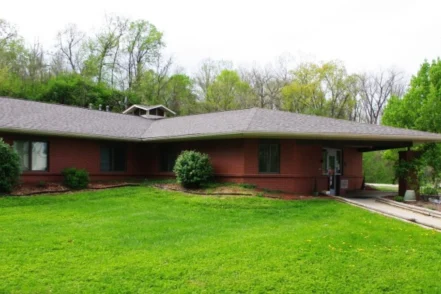 Illinois
Call for Help
9400 Lebanon Road East St. Louis, Illinois 62203
Treatment Programs
- Dual Diagnosis
- Adult Program
- Senior Rehab
- +1
-
 Nevada
Mike O Callaghan Military Medical Center
4700 Las Vegas Boulevard North, Building 1300 Nellis AFB, Nevada 89191
Treatment Programs
- Alcohol Rehab
- Dual Diagnosis
- Drug Rehab
- +1
-
 California
Healthy Partnerships
1286 Callen Street Vacaville, California 95688
Treatment Programs
- Alcohol Rehab
- Dual Diagnosis
- Opioid Addiction
- +4
-
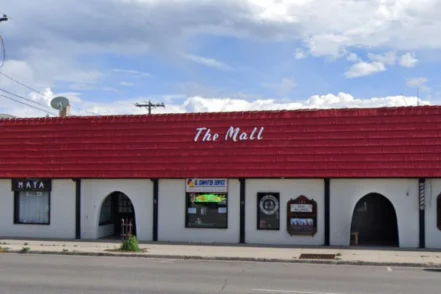 Colorado
Teocalli Treatment Options
123 West Tomichi Avenue, Suite 8 Gunnison, Colorado 81230
Treatment Programs
- Alcohol Rehab
- Dual Diagnosis
- Opioid Addiction
- +4