
Minnesota Bill Would Allow Psilocybin for Mental Health and Addiction Treatment
Published June 12, 2026
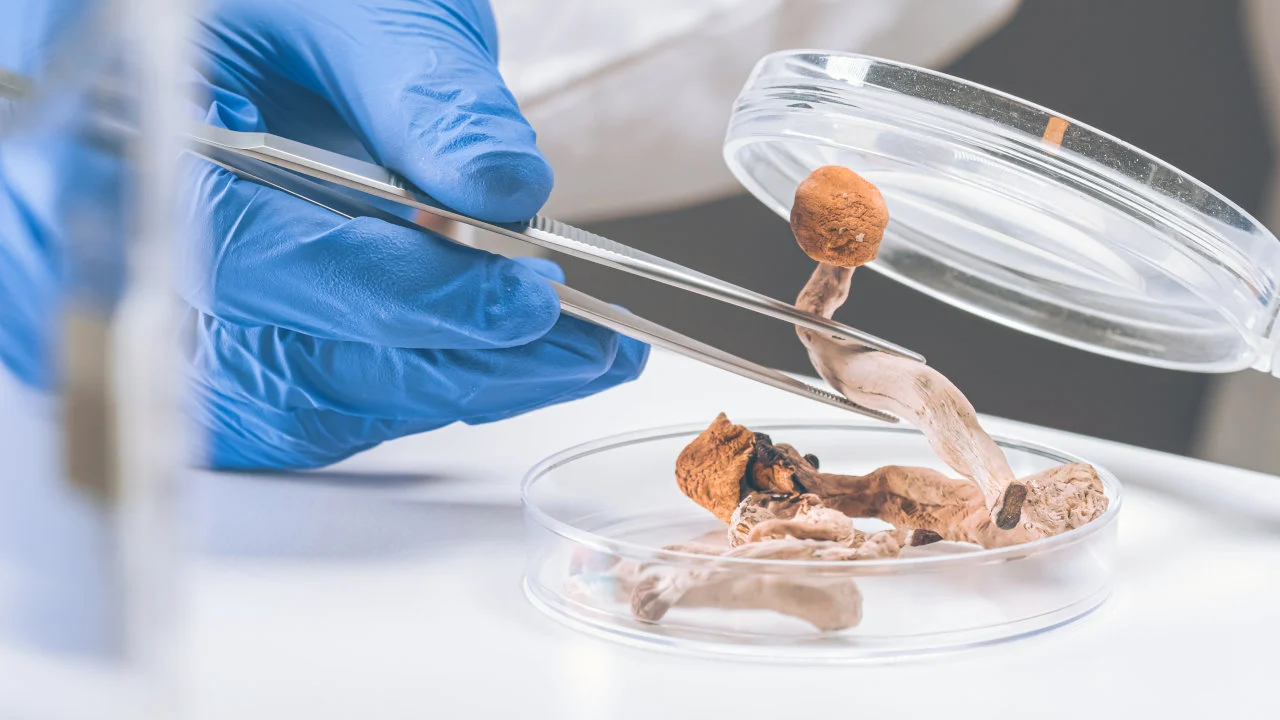
A bill working its way through the Minnesota Legislature could open a new door for mental health and addiction treatment. The bill would allow supervised use of psilocybin, the active compound in psychedelic mushrooms, for veterans with depression and other mental health concerns.
Even though Minnesota already boasts a wide selection of residential and outpatient programs for people of all backgrounds, supporters argue that expanding options for care helps folks for whom existing behavioral health options have failed. However, critics say the science doesn’t support the claims strongly enough to move forward.
The Minnesota Psilocybin Bill
The Minnesota Department of Health’s Psychedelic Medicine Task Force recommended in 2025 that the Legislature create a state-regulated program for the therapeutic use of psilocybin-containing mushrooms.
Now, Rep. Max Rymer (R-North Branch) introduced legislation to authorize limited therapeutic use of psilocybin for adults 21 and older who meet specific eligibility requirements. The state’s Office of Cannabis Management would eventually oversee the program and cap enrollment at 1,000 patients for its first three years. Only authorized clinicians would administer psilocybin in approved medical facilities or private residences under professional supervision.
In part, the bill reflects current federal guidelines that have moved to fast track psilocybin for FDA approval. Crucially, the bill reclassifies psilocybin from a Schedule I controlled substance with high abuse potential and no accepted medical use to a Schedule IV substance to make it available for therapy. Accordingly, anyone who provides psilocybin outside the program could face felony charges, up to two years in jail and a $3,000 fine.
The Mental Health and Addiction Connection
The proposed program is specifically aimed at co-occurring conditions. According to Dr. Jessica Nielson, chair of Minnesota’s Psychedelic Medicine Task Force, research suggests treatment-resistant depression, end-of-life distress and addiction to alcohol and tobacco may respond better to psilocybin than currently available treatments.
This is the core argument for psilocybin as a dual diagnosis treatment tool. Traditional medication and talk therapy leave too many patients behind. Jamie Croyle is Director of the Psychedelic Access Project. She pointed out that thousands of Minnesota veterans live with PTSD or depression and too often try to self-medicate, which typically ends in addiction.
For individuals with co-occurring disorders, the lack of effective options constitutes a serious behavioral health crisis. Integrated treatment that addresses both conditions together to tackle underlying disorders that often fuel each other. Psilocybin proponents argue it should become part of that integrated toolkit.
The Case Against Moving Forward
However, not everyone in the Minnesota Legislature agrees. Rep. Bjorn Olson (R-Fairmont) expressed concern that psilocybin could become “the next wonder drug that will addict an entire generation of service members.” He says legislators needs more proof before he can support the bill.
The lack of evidence remains a major point of concern. Indeed, while preliminary research has shown promising results for psilocybin in treating depression and addiction, the body of evidence pales when compared to counseling and holistic approaches. Critics argue that moving to legalization before that research backs it up creates unforeseen risks, particularly for folks in addiction recovery.
Residential and Outpatient Options Available
For those who can’t wait for legislative outcomes, comprehensive mental health treatment facilities and residential treatment centers offer evidence-based care today. Programs often combine psychiatric care, individual and group therapy and addiction medicine to treat the whole person.
Counseling commonly used in dual diagnosis treatment include behavioral therapy and motivational interviewing for substance use. Medication-assisted treatment has also proven to reduce withdrawal symptoms and cravings to allow counseling to become more effective.
The question now before Minnesota lawmakers is whether psilocybin-assisted therapy deserves a place in that integrated care model.
Don’t Delay
If you or a loved one has PTSD, depression, or addiction, you don’t have to wait for psilocybin to be approved. Reach out now to mental health treatment facilities and behavioral treatment centers that specialize in integrated care.
Consider calling 800-908-4823 (Sponsored) to find dual diagnosis treatment programs throughout the nation, or simply browse our directory for programs that fit your condition and circumstances.
Author

Courtney Myers, MS
Read Bio
Courtney Myers has more than 15 years of experience in online writing and editing. Since graduating from N.C. State University with an MS in Technical Communication, she’s helped clients improve their visibility and reach through expert-level content creation. She specializes in addiction recovery and behavioral healthcare topics.
Editor

Peter Lee, PhD
Read Bio
Peter W.Y. Lee is a writer and historian of American history during the Cold War. His primary focus is the relationship between youth and popular culture and its impact on U.S. society during the twentieth century. He has published widely on how the public has used popular culture as a mechanism to address political and social shifts throughout time
Articles About Alcohol & Treatment

Minnesota 988 Lifeline Calls Triple Since 2022 Launch
Minnesota 988 Lifeline Calls Triple Since 2022 Launch Published July 28, 2026 Calls, texts, and chats to Minnesota’s 988 Suicide and Crisis Lifeline have climbed steadily since the service launched in July 2022, according to new data from the Minnesota Department of Health. Contacts grew from about 25,000 in the program’s first six months to…

Former Soccer Players Show Higher Anxiety and Depression Rates
Former Soccer Players Show Higher Anxiety and Depression Rates Published July 27, 2026 New research on former professional soccer players is adding to a growing body of evidence that repetitive head impacts in contact sports may affect mental health well before old age sets in. This finding has implications for how dual diagnosis treatment providers…

Coordinated Care Helps Youth With Co-Occurring Disorders
Coordinated Care Helps Youth With Co-Occurring Disorders Published July 27, 2026 A rehabilitation expert is spotlighting how coordinated, multi-specialist care can better serve children facing both developmental and mental health challenges at once, a model that has clear parallels to dual diagnosis treatment for co-occurring disorders more broadly. Kelly Schneider, a rehabilitation expert at Easterseals…
Browse Treatment Centers by State
-
 Minnesota
Minnesota Alternative Minneapolis
7766 Highway 65 Ne Minneapolis, Minnesota 55432
Treatment Programs
- Alcohol Rehab
- Opioid Addiction
- Drug Rehab
- +4
- Minnesota
Twin Cities Recovery Project Inc.
3400 East Lake Street, Suite 100, Minneapolis, MN 55406
Treatment Programs
- Dual Diagnosis
- Alcohol Rehab
- Opioid Addiction
- +1
-
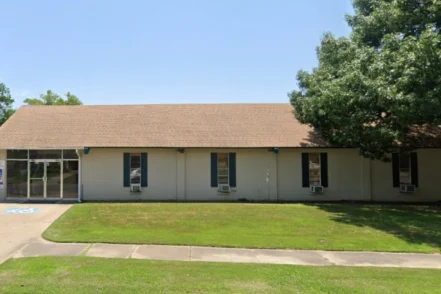 Oklahoma
MONARCH Muskogee
501 Fredonia Street Muskogee, Oklahoma 74403
Treatment Programs
- Alcohol Rehab
- Dual Diagnosis
- Opioid Addiction
- +3
-
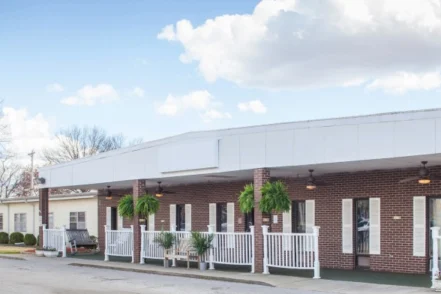 Alabama
Cypress Grove Care & Rehab Center
<p>200 S Alabama St<br /> Muscle Shoals, Alabama 35661</p>
Treatment Programs
- +-3