
Maine Center Expands Family Mental Health Treatment Access
Published August 4, 2026

Access to mental health treatment in central Maine got a little easier this summer. Maine Children’s Home, a Waterville nonprofit founded in 1899, has opened a new Center for Families that brings four family-focused programs into a single building. They aim to shorten the distance between a family’s first contact and the care they actually need.
The center opened to clients in the Lunder Building in their Waterville campus. The program joins the other services available for people of all ages in The Pine Tree State, with a special emphasis on helping vulnerable families find access to care.
The Center Brings Programs Together
Four programs now share the space. They cover counseling, targeted case management, adoption services and support for pregnant and parenting teens and young adults.
The Family Counseling Center is a state-licensed outpatient mental health facility providing counseling to individuals, couples, children and families. Coordinated case management helps youth and families navigate resources when a child is dealing with behavioral health needs, intellectual disabilities or significant medical conditions.
The renovation modernized roughly 7,600 square feet with trauma-informed spaces for clinical counseling. Maine Children’s Home serves close to 3,000 folks of all ages and backgrounds each year.
Coordination Matters for Behavioral Health
Executive Director Daniel Booth described the practical benefit in physical terms. A program director can hand a client off to a counselor down the hallway rather than referring them to a separate building and hoping the appointment happens.
That handoff problem isn’t a minor logistical detail. Families who need more than one service often lose contact with the system between referrals. Each additional step becomes a potential gap where someone disengages.
Booth also noted the great demand for counseling in the area and across the state, given the shortage of providers across the nation. Indeed, Maine Children’s Home’s counselor headcount had dwindled over the previous two years, and many Maine children lack access to care. The new space is intended to support rehiring and increase capacity, which determines whether shorter waitlists actually follow.
Understanding Dual Diagnosis
Co-occurring disorders, also called dual diagnosis, describe a person living with both a mental health condition and a substance use disorder. The pairing is common rather than unusual, and it is often what sits underneath a family in crisis.
Integrated treatment matters because treating one condition while ignoring the other tends to fail. Untreated depression, anxiety or trauma drives substance use, and continued substance use undermines mental health treatment. Programs that address both together, with clinical staff who communicate about the same patient, produce better retention and outcomes than parallel services that never talk to each other.
For families, the relevant question when evaluating any behavioral treatment center is whether it can assess and treat both sides, or if it’ll hand off one of them.
Treatment Options for Mental Health and Addiction
Care for mental health and co-occurring conditions runs along a continuum.
Outpatient counseling is the most common entry point, with weekly or biweekly sessions while the person continues working, parenting or attending school. Intensive outpatient and partial hospitalization programs add structure and more hours per week without requiring residence. Residential treatment centers provide 24-hour care for people whose symptoms or safety needs exceed what outpatient support can hold.
Case management sits alongside all of these. This service connects a family to housing, benefits, school supports and specialty care and is frequently the difference between a treatment plan on paper and one that happens.
Funding Behind the Expansion
Several recent grants support the work moving into the center. The Doree Taylor Charitable Foundation donated to expand access to mental health services for people experiencing poverty. A grant from the Maine Charity Foundation Fund of the Maine Community Foundation supports prenatal and parenting education and community resources for pregnant and parenting teens and young adults. The Bangor Savings Bank Foundation funds the center’s healing garden for clients.
Booth credited the grants for directly supporting work in the new center by improving access to mental health care, parenting support and coordinated services.
Comprehensive Treatment in Maine & Beyond
If you’re looking for care that covers both mental health and substance use, a short list of questions separates integrated programs from those that only claim to be.
- Inquire if the facility assesses for co-occurring disorders at intake or after admission.
- Ask whether psychiatric and substance use clinicians are on the same treatment team.
- Look into the levels of care the organization offers directly, and where it refers out.
- Ask for the current wait time for a first appointment, and confirm accepted insurance, including MaineCare, before you commit.
Our browsable directory lists mental health treatment facilities, behavioral treatment centers and dual diagnosis programs by location, so you can compare what is available near you and check services before making a call.
You can also dial 800-908-4823 (Sponsored) to speak with an expert about treatment options.
Author

Terri Beth Miller, PhD
Read Bio
Terri Beth received her PhD in English literature from the University of Tennessee Knoxville and is an educator and disability studies scholar. For more than a decade, she has written extensively in the fields of mental health and addiction recovery and fiercely advocates for the destigmatization of mental illness.
Editor

Peter Lee, PhD
Read Bio
Peter W.Y. Lee is a writer and historian of American history during the Cold War. His primary focus is the relationship between youth and popular culture and its impact on U.S. society during the twentieth century. He has published widely on how the public has used popular culture as a mechanism to address political and social shifts throughout time
Articles About Alcohol & Treatment
Maine Center Expands Family Mental Health Treatment Access
Maine Center Expands Family Mental Health Treatment Access Published August 4, 2026 Access to mental health treatment in central Maine got a little easier this summer. Maine Children’s Home, a Waterville nonprofit founded in 1899, has opened a new Center for Families that brings four family-focused programs into a single building. They aim to shorten…

North Carolina Eating Disorder Program Adds On-Site Depression Care
North Carolina Eating Disorder Program Adds On-Site Depression Care Published August 4, 2026 Treating co-occurring disorders in one place rather than two is the practical problem behind a change announced by The Emily Program in North Carolina in late July. The organization now offers Spravato, the brand name for esketamine nasal spray, at its adult…
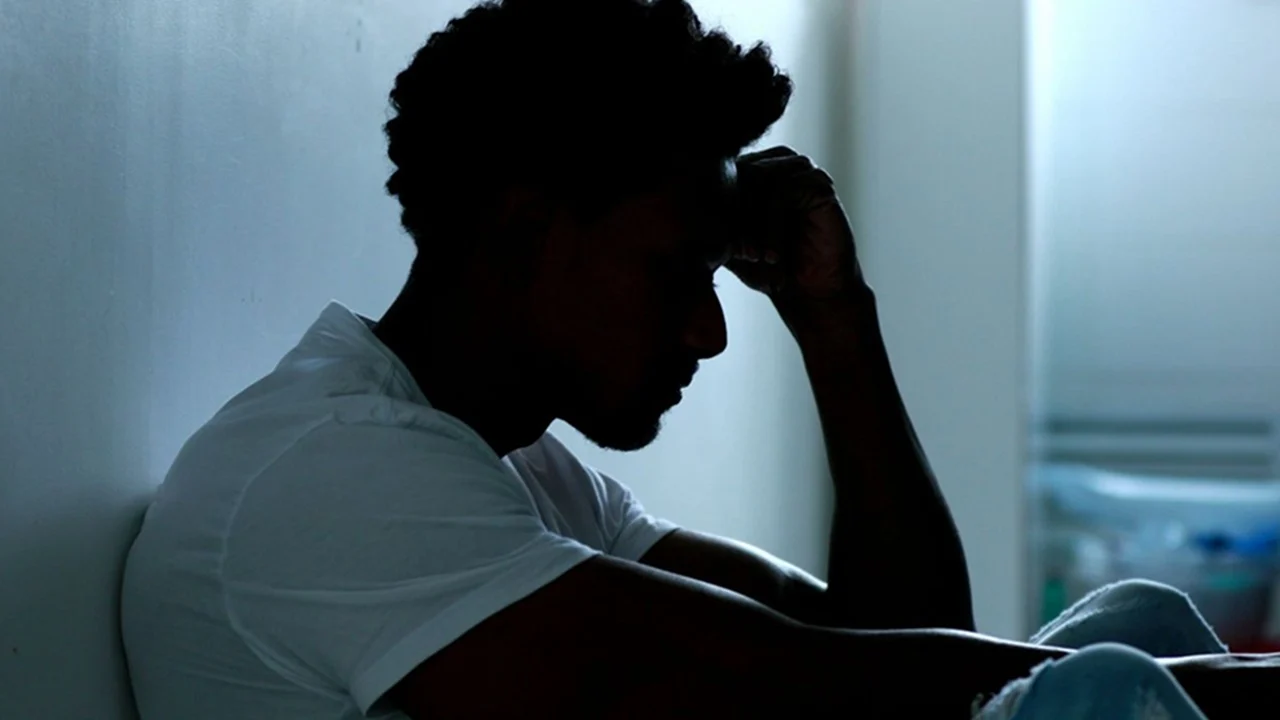
34% of US Adults With Mental Illness Received ‘Minimally Adequate Care’
34% of US Adults With Mental Illness Received ‘Minimally Adequate Care’ Published August 3, 2026 Most U.S. adults with a psychiatric disorder now reach mental health treatment of some kind. Far fewer receive enough care to meet a minimum standard of adequacy. Researchers found that even though the number of co-occurring disorders declined overall since…
Browse Treatment Centers by State
-
 Mississippi
Life Help Region VI Garden Park
2713 Highway 82 East Greenwood, Mississippi 38930
Treatment Programs
- Dual Diagnosis
- Adult Program
- Senior Rehab
- +2
-
 California
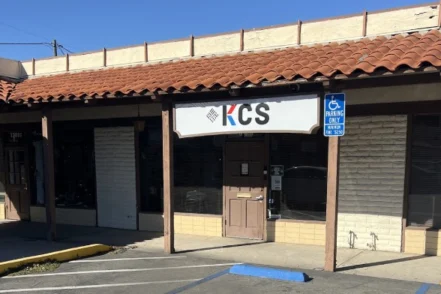
KC Services Garden Grove
12531 Harbor Blvd, Suite G Garden Grove, California 92840
Treatment Programs
- Alcohol Rehab
- Dual Diagnosis
- Opioid Addiction
- +5
-
 Missouri
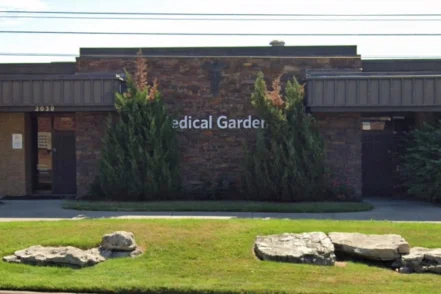
Mercy Clinic Psychology Medical Garden
2030 South National Avenue, Suite 105 Springfield, Missouri 65804
Treatment Programs
- Alcohol Rehab
- Dual Diagnosis
- Opioid Addiction
- +5
-
 Arizona
Lifewell Behavioral Wellness – Pinchot Gardens
40 East Mitchell Drive, # 100, Phoenix, AZ 85012
Treatment Programs
- Alcohol Rehab
- Dual Diagnosis
- Opioid Addiction
- +3