
California Budget Cuts May Threaten Mental Health Crisis Response
Published June 2, 2026

The proposed state 2026-27 budget for California puts pressure on mental health treatment facilities and crisis response programs statewide, as Governor Gavin Newsom’s spending plan would eliminate state funding for mobile behavioral health crisis teams.
The Golden State features a wide range of comprehensive treatment programs for anyone with addiction concerns, with new centers opening in northern and southern regions. The cornerstone of the state’s approach to community-based care has always been behavioral health teams that drew from a wide range of backgrounds and disciplines. Now, that foundation may be at risk.
Beginning in April 2027, Newsom’s May Revision eliminates $169 million in state funding for mobile teams that respond to people experiencing a mental health crisis. The proposal would make mobile crisis response an optional, county-funded benefit. Mental health advocates and county officials say this move could unravel years of progress in keeping people out of emergency rooms, jails and hospitals.
Connecting Mental Health and Addictions
The stakes are especially high for people living with co-occurring disorders who rely on these teams as a first point of contact with the treatment system. Mobile crisis responders regularly encounter individuals dealing with serious mental illness and substance use disorders that require integrated care to treat effectively.
One example: a 40-year-old recovering alcoholic diagnosed with schizophrenia, PTSD, depression, and ADHD credited Lake County’s mobile crisis team with saving his life multiple times. For folks like him, a mobile crisis team is often the bridge to residential treatment centers and ongoing behavioral health services.
These teams meet people at their homes, schools and workplaces. Everyone receives care regardless of income or insurance status. Though it started as a Medi-Cal benefit for low-income residents, teams respond to all, from the uninsured to those with private insurance.
Both Sides Have Their Say
The debate reflects genuine tension between fiscal reality and the demand for behavioral health services. Other states have already experienced steep budget cuts on the federal and local level, with no easy solutions in sight.
Supporters of the budget change argue the timing is driven by circumstances outside the state’s control. State officials noted that the expiration of the federal match means a projected state budget shortfall of $3 billion for 2027, and $22 billion the following year. The administration has framed the shift as the “most sustainable path forward” for the program.
Critics, however, say the costs of cutting now will far exceed the savings. The proposed shift would shoulder counties with up to $130 million per year to sustain programs. For many, it opens a gap they can’t fill. County health leaders warn this’ll create a patchwork system where wealthier counties maintain services while lower-income counties have to shut their programs down.
In San Diego County alone, officials face a $24 million budget hit. Since 2021, the number of mobile crisis response teams in the county has increased to 44, and 98% of calls receive a response in under an hour.
Behavioral Health Treatment Centers Feel the Ripple
The cuts don’t stop with the mobile cuts. The proposed 2026-27 budget includes no additional major state funds for behavioral health overall, while also facing pressure from federal spending reductions. Millions in lost Medi-Cal reimbursements threaten to weaken the capacity of community-based behavioral health services.
Advocates for behavioral treatment centers point out that mobile crisis teams serve as a critical feeder into the broader system by connecting people to detox programs, outpatient counseling, and inpatient care when needed. Dismantling that infrastructure could mean more visits to through emergency rooms without ever connecting to longer-term support.
The impact is already being felt elsewhere in California’s behavioral health network where shortages in mental health providers have affected vulnerable populations. The “California Peer Run Warm Line,” a statewide mental health resource, started laying off nearly 200 employees due to millions in lost state funding.
Understanding Dual Diagnosis & Integrated Care
Many people reached by mobile crisis teams are not experiencing a single condition in isolation. Dual diagnoses are common among groups like veterans and teens and require simultaneous treatment to achieve lasting recovery. When crisis response teams are cut, people with co-occurring conditions are the most likely to fall through the gaps.
Evidence-based therapies used in comprehensive mental health treatment, coupled with holistic approaches, are most effective when folks connect to services early. This is precisely what crisis response teams make possible.
Treatment Options for Mental Health and Addiction
For individuals and families affected by these changes, private and nonprofit mental health treatment facilities offer multiple services that don’t depend on state budget cycles:
- Residential treatment centers that provide around-the-clock care for those with severe mental health conditions or co-occurring disorders
- Outpatient and intensive outpatient programs (IOP) for individuals who need structured support while living at home
- Dual diagnosis treatment programs that address mental health and substance use simultaneously
- Medication-assisted treatment (MAT) for co-occurring addiction and psychiatric conditions
If you or a loved one needs help navigating mental health treatment facilities or finding dual diagnosis care, call our helpline at 800-908-4823 (Sponsored) for guidance on options in your area. Our directory also features care centers throughout California and across the country.
Author

Eric Owens
Read Bio
Eric Owens has been a writer and editor for various businesses as well as his own successful websites. He has extensive experience creating content in the health and wellness space and the sustainability space. He holds a bachelor degree in Philosophy which helped him with presenting complex information in a simple way that all audiences can understand.
Editor

Peter Lee, PhD
Read Bio
Peter W.Y. Lee is a writer and historian of American history during the Cold War. His primary focus is the relationship between youth and popular culture and its impact on U.S. society during the twentieth century. He has published widely on how the public has used popular culture as a mechanism to address political and social shifts throughout time
Articles About Alcohol & Treatment

Mental Health Risk Rises With Long-Term Air Pollution Exposure
Mental Health Risk Rises With Long-Term Air Pollution Exposure Published September 18, 2026 The factors that shape mental health are more varied than most people expect. A systematic review and meta-analysis found that long-term exposure to common air pollutants is associated with increased risks of suicide, whether one attempts to take their own life or…

HHS Awards $383M for Mental Health Treatment and Crisis Care
HHS Awards $383M for Mental Health Treatment and Crisis Care Published September 18, 2026 The federal government distributed its largest mental and behavioral health crisis funds for 2026. On September 8 the Department of Health and Human Services and SAMHSA announced $383.4 million in new grants. The Grant Money The awards split three ways. To…

Anxiety Treatment Study Posts 5.1 Point GAD Symptom Drop
Anxiety Treatment Study Posts 5.1 Point GAD Symptom Drop Published September 17, 2026 A late-stage clinical trial delivered strong anxiety treatment results, with potential for those with anxiety and addictions. Definium Therapeutics announced that its Phase 3 Panorama study of DT120 ODT, an orally disintegrating formulation of LSD, met its primary endpoint in adults with…
Browse Treatment Centers by State
-
 California
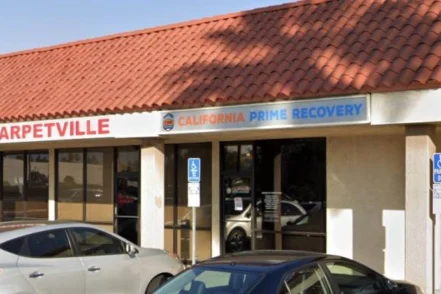
California Prime Recovery
17330 Newhope Street, suite a, Fountain Valley, CA 92708
Treatment Programs
- Alcohol Rehab
- Opioid Addiction
- Drug Rehab
- +11
-
 California
Oficina Hispana San Diego Sur
<p>1177 3rd Avenue<br /> Chula Vista, California 91913</p>
Treatment Programs
- +-3
-
 Ohio
OhioRedmond House
1989 West Broad Street Columbus, Ohio 43223
Treatment Programs
- Dual Diagnosis
- Adult Program
- Senior Rehab
- +0
- California
Shasta Options
1905 Park Marina Drive Redding, California 96001
Treatment Programs
- Dual Diagnosis
- +-2