
1 in 3 Addiction Programs Offers No Mental Health Assessment
Published July 31, 2026

Integrated care is the clinical standard for co-occurring disorders, but a new national study suggests a large share of addiction treatment programs aren’t built to deliver it. Roughly a third of outpatient facilities surveyed offered no mental health assessments at all.
The lack of mental health services reflects a growing gap in the country between those who have mental health conditions and those who can access it. This matters directly for anyone comparing behavioral treatment centers for someone living with a substance use disorder and a mental health condition.
The study was headed by Jemima A. Frimpong of New York University Abu Dhabi with co-authors at California State University Fullerton and Texas A&M University. The team analyzed 3,764 outpatient facilities using SAMHSA’s 2023 National Substance Use and Mental Health Services Survey.
Integration Matters for Co-Occurring Disorders
Co-occurring disorders, often called dual diagnosis, describe a substance use disorder and a mental health condition present at the same time. Depression, anxiety, PTSD, bipolar disorder and ADHD most commonly appear alongside addiction.
Integrated treatment addresses both in one plan with one clinical team, like tackling depression and opioid use. The alternative, treating them in sequence or in separate places, tends to leave whichever condition goes unaddressed free to undermine progress on the other.
The Study’s Findings
The headline number is the assessment gap. Despite serving populations with high rates of comorbidity, 33% of the facilities in the sample offered no mental health assessments.
Program type made a substantial difference. Opioid treatment programs, the federally regulated clinics that dispense methadone, served more clients with co-occurring disorders than other outpatient facilities and were more than 2x as likely to provide comprehensive integration at 43% compared with 20% among non-OTPs.
Ownership, Accreditation, and Payment Track With Integration
The researchers used regression modeling to identify the facility characteristics associated with higher levels of integration across the full sample.
Private non-profit and public ownership, accreditation from The Joint Commission, acceptance of private insurance, and a higher volume of clients with co-occurring conditions all represented positive predictors. CARF accreditation, Medicaid acceptance, and a location in the Midwest associated with lower odds of integrated care.
The team broke the sample apart by program type to go into detail.
- Medicaid acceptance specifically lowered the odds of integration among opioid treatment programs, such as an addiction stemming from trauma.
- CARF accreditation was a negative predictor for OTPs but a positive one for other outpatient facilities.
- A midwestern location that uses Medicaid managed care reduced integration odds only for OTPs, while a higher state-level share of adults with a drug use disorder raised the likelihood of integration among non-OTPs.
The authors frame these factors as the organizational and financial structures that shape final treatment plans. Closing the gap means addressing regulatory and payment barriers rather than exhorting individual programs to do better.
Study Limitations
This is a cross-sectional analysis of survey data from a single year, so it describes associations rather than causes. It doesn’t establish why Medicaid acceptance or CARF accreditation tracked with lower integration. The researchers offer plausible explanations, such as reimbursement rules, differences in the populations served, and how each accrediting body has differing standards.
It’s also worth being precise about the study’s measurements. The survey captures whether services are offered, not how well providers deliver it. A facility can report offering mental health assessment regarding and still perform unevenly, while a facility without formal integration may refer effectively to an outside provider when depression or other condition triggers an overdose.
Nevertheless, the absence of any mental health assessment is a meaningful signal for families comparing options.
Questions to Ask When Comparing Programs
Research like this informs patients and loved ones so you know what to ask about. When evaluating mental health treatment facilities or addiction programs for someone with a possible dual diagnosis, consider the following:
- Does the program conducts a mental health assessment at intake, and who performs it
- Is psychiatric care delivered on site or by referral, and how the two teams communicate
- Is a prescriber on staff for psychiatric medication alongside any medication for addiction
- Which accrediting bodies does the facility holds and what services that accreditation actually covers
- Ask how the program handles a mental health crisis during treatment rather than discharging the client
Treatment Options for Mental Health and Addiction
Integrated programs typically combine evidence-based therapies with medication management where appropriate. Group behavioral therapy is common, trauma-focused approaches are used when PTSD is present, and psychiatric medication may run alongside medications for opioid or alcohol use disorder.
Level of care ranges from outpatient counseling to residential treatment centers. The right fit depends on symptom severity, safety and how much structure a person needs rather than on a preference for the most intensive option available.
Comprehensive Treatment for All
If you’re looking for dual diagnosis treatment, the assessment question is the fastest way to sort programs. A facility that screens for mental health conditions at intake has at least built the front door for integrated care.
Our browsable directory can help you compare mental health treatment facilities, behavioral treatment centers, and dual diagnosis programs by location, level of care, accreditation and clinical specialty. You can also call 800-908-4823 (Sponsored) to speak with an expert and compare options.
Author

Courtney Myers, MS
Read Bio
Courtney Myers has more than 15 years of experience in online writing and editing. Since graduating from N.C. State University with an MS in Technical Communication, she’s helped clients improve their visibility and reach through expert-level content creation. She specializes in addiction recovery and behavioral healthcare topics.
Editor

Peter Lee, PhD
Read Bio
Peter W.Y. Lee is a writer and historian of American history during the Cold War. His primary focus is the relationship between youth and popular culture and its impact on U.S. society during the twentieth century. He has published widely on how the public has used popular culture as a mechanism to address political and social shifts throughout time
Articles About Alcohol & Treatment

Springfield, Missouri Approves $500K Mental Health Treatment Resource Map
Springfield, Missouri Approves $500K Mental Health Treatment Resource Map Published October 2, 2026 The city of Springfield has allocated $500,000 to create a map of mental health treatment and substance use resources in the city. To be clear, the state of Missouri has plenty of options for folks dealing with additions, but local recovery advocates…

Stone County, Mississippi Program Now Serves Women Only
Stone County, Mississippi Program Now Serves Women Only Published October 2, 2026 A church out in Mississippi changed its recovery program recently just for women. The Church of Turning Points in Stone County split its Life Recovery Program to create a women-only meeting. The group gathers each Thursday evening at 6:30 at the Sunflower Community…

UC San Diego Awarded $12.6 Million for Dual Diagnosis Research
UC San Diego Awarded $12.6 Million for Dual Diagnosis Research Published October 1, 2026 A new $12.6 million federal investment in addiction science could change how we use dual diagnosis treatment. Researchers at UC San Diego in California received the five-year award from the National Institute on Drug Abuse to launch the Polysubstance Addiction Research…
Browse Treatment Centers by State
-
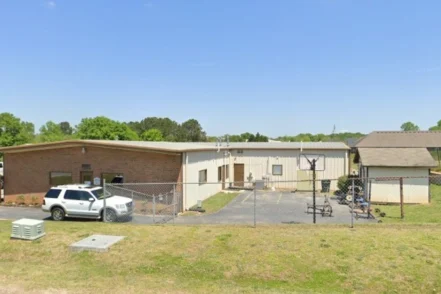 Georgia
Project ADAM
112 Lanthier, Winder, GA 30680
Treatment Programs
- Alcohol Rehab
- Drug Rehab
- Young Adult Rehab
- +3
-
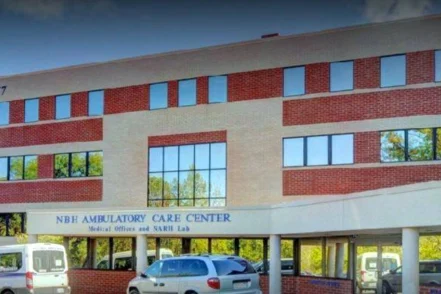 Massachusetts
SaVida Health North Adams
77 Hospital Avenue North Adams, Massachusetts 01247
Treatment Programs
- Alcohol Rehab
- Dual Diagnosis
- Opioid Addiction
- +4
-
 Florida
The Salvation Army Adams Place
609 North 7th Street Fort Pierce, Florida 34950
Treatment Programs
- Alcohol Rehab
- Drug Rehab
- Adult Program
- +2
-
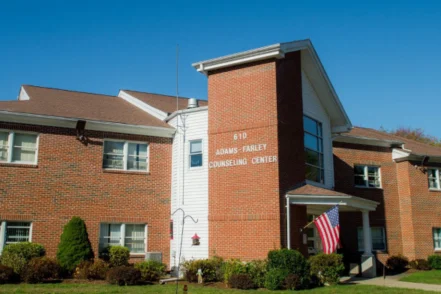 Rhode Island
East Bay Center Adams Farley Counseling
610 Wampanoag Trail Riverside, Rhode Island 02915
Treatment Programs
- Dual Diagnosis
- Young Adult Rehab
- Adult Program
- +1