
About Warren State Hospital
Warren State Hospital is a public psychiatric hospital in Warren, Pennsylvania, providing long term inpatient mental health treatment for adults with serious mental illness. The hospital specializes in co-occurring disorders, integrating evidence based psychiatric care with substance abuse services in a structured, 24/7 therapeutic setting.
Warren State Hospital serves individuals who need intensive, extended treatment through a comprehensive approach that combines clinical care with psychosocial rehabilitation, vocational training, education and recreational programming.
Co-Occurring Disorder Treatment in Northwestern Pennsylvania
Warren State Hospital’s core mission centers on treating adults with serious mental illness and co-occurring substance use disorders. The hospital provides integrated dual diagnosis care that addresses both psychiatric symptoms and addiction within a safe, hospital based environment designed for stabilization and long term recovery.
Treatment combines individual and group therapy, evidence based interventions and medication assisted treatment tailored to each patient’s needs. Sessions target underlying mental health conditions while building coping skills and relapse prevention strategies, with progress supported by a full continuum of psychosocial and vocational rehabilitation services.
Specialized DBT Unit for Women With Borderline Personality Disorder
The hospital operates an Emotional Regulation Unit exclusively for women diagnosed with borderline personality disorder. This specialty program uses dialectical behavioral therapy interventions delivered by a team trained at the Marsha Linehan Institute, focusing on emotional regulation, distress tolerance and interpersonal effectiveness through structured skills practice.
Accessing Care at Warren State Hospital
Warren State Hospital serves Northwestern Pennsylvania counties, including Erie, Crawford, Mercer, Venango, Clarion and others, with admissions coordinated through referral from community inpatient psychiatric hospitalizations. The facility features patient advocacy through an independent External Advocate and Human Rights Committee. The hospital accepts Medicaid and Medicare for eligible patients.
If you or a loved one needs long term psychiatric treatment with co-occurring disorder support, contact Warren State Hospital to learn about the referral process.
Addiction Treatment Programs

Dual Diagnosis
A dual diagnosis, when you have mental health and substance use concerns, can make recovery harder. Be sure to choose a rehab in Pennsylvania that can address both issues. Part of treatment will include managing your mental health symptoms so you aren’t tempted to use substances to self-medicate. This can be done without counseling and medication.

Adult Program
If you’re an adult struggling with substance use, consider an adult program for rehab in Pennsylvania. These treatment programs offer detox, inpatient treatment, and outpatient care tailored to the specific needs and challenges of adults.

Senior Rehab
A senior rehab in Pennsylvania focuses on the physical and mental challenges older individuals face, helping them overcome obstacles to their long-term recovery. These treatment programs offer detox, inpatient treatment, and outpatient care tailored to the unique needs and challenges of older adults, such as chronic pain, mental health concerns, and more.

Young Adult Rehab
Those who join a young adult rehab program in Pennsylvania are given training in key life skills to help them transition to adulthood. These treatment programs offer detox, inpatient treatment, and outpatient care tailored to the unique needs and challenges of young adults.
Insurance Coverage

Medicaid
If you qualify in Pennsylvania, Medicaid is one of your options when it comes to paying for rehab. Programs that accept Medicaid can offer any level of care, including detox, inpatient, and outpatient. Your out-of-pocket costs, if any, are likely to be very low.

Private insurance
One option for paying for rehab in Pennsylvania is using private insurance. Plans vary, so be sure to contact your insurance company to find out coverage details and what copayments or deductibles you might be responsible for.

Self-pay options
Self-pay is an option for paying for rehab in Pennsylvania that maximizes your ability to choose the treatment center. You can use a medical loan, write a check, or electronically send money to the center. Payment arrangements may vary depending on the type of treatment

Financial aid
One way to pay for rehab in Pennsylvania is to use financial aid programs if you qualify. You can pay for detox, inpatient treatment, or outpatient care using scholarships or grants from the treatment center or from local organizations.

Medicare
Medicare is a good way to pay for substance use treatment in Pennsylvania. You’ll want to find a treatment center that accepts your Medicare plan and find out details about coverage and out-of-pocket costs.

Military insurance
For those with military insurance, using your coverage to pay for treatment in Pennsylvania can make rehab more accessible. Different plans have different coverage levels, so be sure to check with your insurance company for details. You may be responsible for certain costs, such as copayments and deductibles.
Levels of Care
- 1
Inpatient Rehab
For many people, it’s important to focus entirely on recovery without distractions, and inpatient treatment in Pennsylvania gives you that opportunity. Building a new life for yourself is challenging, and the focused, uninterrupted treatment you receive during inpatient care can help you lay that foundation.
Therapies

Cognitive Behavior Therapy
Cognitive behavioral therapy (CBT) in Pennsylvania helps you address the thinking patterns that are holding you back from a better life. Learning which thought distortions you are most susceptible to can help you challenge unhelpful thoughts, create better interpretations of situations, and choose healthier responses.

Dialectical Behavior Therapy
Dialectical behavioral therapy (DBT) in Pennsylvania gives you the confidence to overcome challenges that are holding you back from a better life. Learning to develop a healthier mindset through stress management skills gives you the ability to create better circumstances in your life, and choose healthier responses to challenges.

Experiential Therapy
Sometimes trauma and emotions are buried deeply, and experiential therapy in Pennsylvania is a non-traditional therapy that can allow you to work through them. During treatment, you may take part in art projects, musical expression, or physical challenges like an obstacle course. These allow you to process emotions in a non-traditional way.

Group Therapy
You’re not alone as you work through addiction in Pennsylvania. Group therapy will help you connect with others in similar positions so you can support and encourage each other. Some of the topics covered in group therapy include overcoming shame and guilt, improving communication, developing healthy coping skills, and building a support network.

Individual Therapy
Talking about what you’ve experienced is an important way to heal, and individual therapy in Pennsylvania gives you that opportunity. Individual therapy sessions generally last 60 minutes and may include discussing a specific issue, education about specific topics, or developing life skills.

Trauma Therapy
Trauma-informed therapy in Pennsylvania is led by a professional who facilitates clients sharing about their experiences and emotions. Trauma-informed therapy is a normal part of evidence-based treatment programs and may be a part of inpatient treatment, outpatient care, or both. Methods include sharing of experiences, peer support, mindfulness practices, and more.
Location
Contact Warren State Hospital

 Sponsored
Treatmentcentersdirectory.com regularly reviews this listing for accuracy but changes may occur between updates. For the most up-to-date information, please contact Warren State Hospital.
Top Drug Rehab Centers in Pennsylvania
-
 Pennsylvania
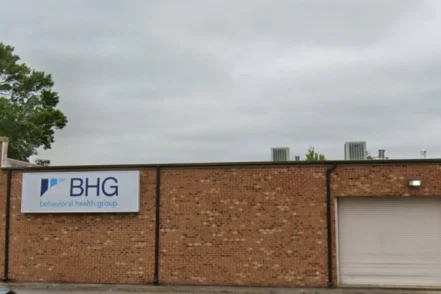
Behavioral Health Group Chesapeake Treatment Center
3322 Western Branch Boulevard, Suite A Irwin, Pennsylvania 23321
-
 Pennsylvania
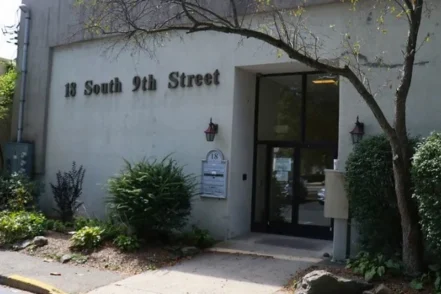
A Better Today Stroudsburg
18 South 9th Street Stroudsburg, Pennsylvania 18360
-
 Pennsylvania
Gateway Rehab Green Tree
1016 Greentree Road, Suite 300 Pittsburgh, Pennsylvania 15220
-
 Pennsylvania
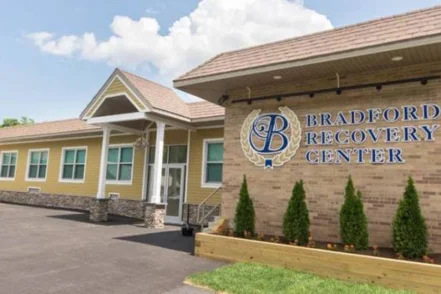
Bradford Recovery Center
64 School Street Millerton, Pennsylvania 16936
-
 Pennsylvania
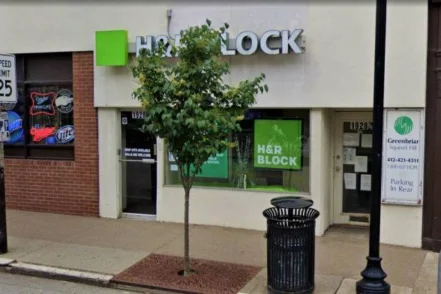
Greenbriar Treatment Center Squirrel Hill
1928 Murray Avenue Pittsburgh, Pennsylvania 15217
-
 Pennsylvania
Alcohol and Drug Abuse Services Bradford
2 Main Street, Suite 600 Bradford, Pennsylvania 16701
-
 Pennsylvania
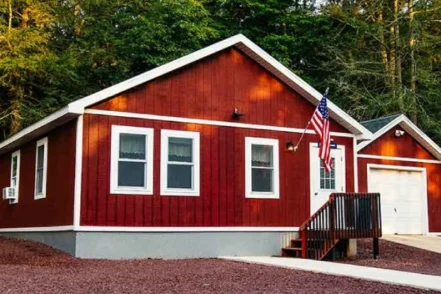
Huntington Creek Recovery Center
890 Bethel Hill Road Shickshinny, Pennsylvania 18655
-
 Pennsylvania
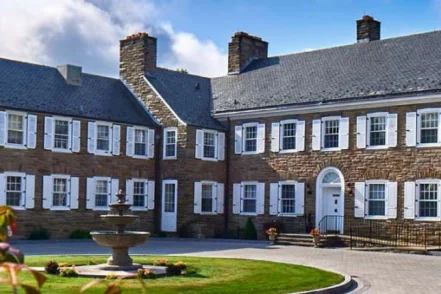
Geisinger Marworth
100 Lily Lake Road Waverly, Pennsylvania 18471
-
 Pennsylvania
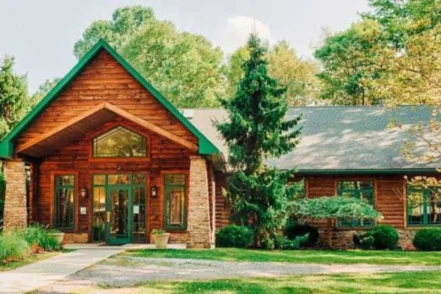
St Josephs Institute
134 Jacobs Way Port Matilda, Pennsylvania 16870
- Pennsylvania
Tadiso
1425 Beaver Avenue Pittsburgh, Pennsylvania 15233
-
 Pennsylvania
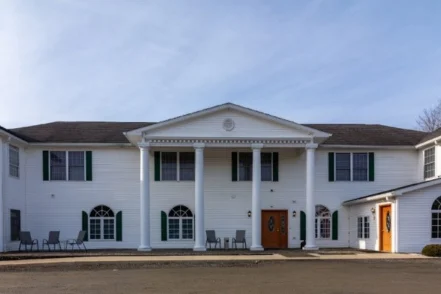
Avenues Recovery Center at Lake Ariel
50 Industrial Park Way Lake Ariel, Pennsylvania 18436
-
 Pennsylvania
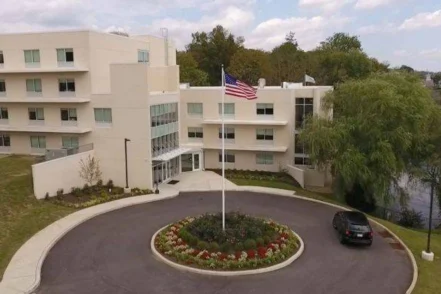
Recovery Centers of America at Devon
235 West Lancaster Avenue Devon, Pennsylvania 19333
-
 Pennsylvania
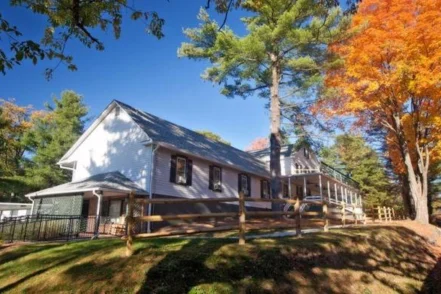
Pocono Mountain Recovery Center
3437 Route 715 Henryville, Pennsylvania 18332
- Pennsylvania
Serenity at Summit Outpatient
702 Hyde Park Doylestown, Pennsylvania 18902
-
 Pennsylvania
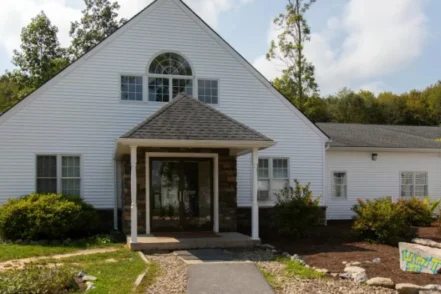
White Deer Run – Allenwood
360 White Deer Run Road, Allenwood, PA 17810
-
 Pennsylvania
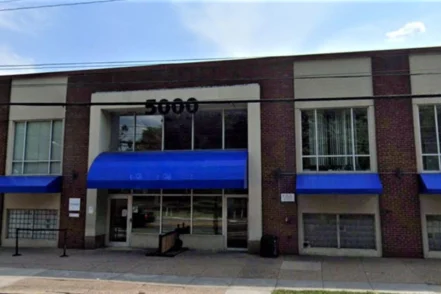
Merakey Parkside Recovery
5000 Parkside Avenue, Suite 9000 Philadelphia, Pennsylvania 19131
Other Popular Pennsylvania Cities
Browse by Pennsylvania cities
- Mahanoy City
- Malvern
- Marienville
- Mc Connellsburg
- Mcconnellsburg
- McKeesport
- Meadville
- Mechanicsburg
- Media
- Mercer
- Middleburg
- Middletown
- Mifflintown
- Milford
- Millerton
- Milton
- Monessen
- Monroeville
- Montgomery
- Montrose
- Morgantown
- Morrisville
- Mount Gretna
- Mount Joy
- Mount Pleasant
- Mount Pocono
- Mountville
- Munhall