
About Gaudenzia – Washington House
The care at Gaudenzia Washington House is low-intensity residential treatment. It’s an addiction treatment center in Philadelphia, Pennsylvania.
The house takes women only, and also accepts pregnant women.
A Women Only Halfway House
Gaudenzia runs the house for women who have a substance use disorder and a co-occurring mental health condition. Their provide care that is trauma and culture informed.
It’s also CARF accredited.
Counseling and Group Work
Individual and group counseling are both part of the program, where residents meet and work with the same people every time, providing recovery comfort.
For affording care, the house accepts most Medicaid plans, some commercial insurance and county funding. The staff can help women figure out affording their care.
Addiction Treatment Programs

Alcohol Rehab
Facilities that offer alcohol rehab in Pennsylvania can give you the skills and tools you need to break free from alcohol use disorder. These treatment programs offer detox, inpatient treatment, and outpatient care. You may receive individual, group, and family counseling, peer support, and classes in essential life skills.

Dual Diagnosis
Co-occurring disorders treatment means substance use and a second condition get attention in the same program, and it is offered here for women.

Opioid Addiction
If you’re ready to overcome opioid addiction, a high-quality rehab in Pennsylvania can give you the tools you need. The rehab program may use multiple approaches, including nutrition, psychology, holistic methods, and support groups. These tools help you build a substance-free lifestyle and move into long-term recovery.

Drug Rehab
The goal of a drug rehab in Pennsylvania is to give you the tools and skills you need to achieve long-term recovery. These treatment programs offer detox, inpatient treatment, and outpatient care. You may receive individual, group, and family counseling, peer support, and classes in essential life skills.

Adult Program
If you’re an adult struggling with substance use, consider an adult program for rehab in Pennsylvania. These treatment programs offer detox, inpatient treatment, and outpatient care tailored to the specific needs and challenges of adults.

Women's Rehab
Residential care at this Philadelphia County house is for women only, and the treatment is sex-specific, covering substance use alongside co-occurring conditions.

Young Adult Rehab
Those who join a young adult rehab program in Pennsylvania are given training in key life skills to help them transition to adulthood. These treatment programs offer detox, inpatient treatment, and outpatient care tailored to the unique needs and challenges of young adults.

Criminal Justice Involved Program
Washington House offers a specialized residential track for individuals involved with the criminal justice system, integrating substance use treatment with recovery education and case management to support reintegration.
Women's Program
The program is for women only, with sex-specific care, and it serves people in Philadelphia County who have substance use and co-occurring disorders.
Aftercare
Recovery-focused programming at Washington House emphasizes sustained sobriety and community reintegration, preparing residents in Philadelphia for continued support beyond the residential treatment phase.
Substance Use Disorder Treatment
Insurance Coverage

Medicaid
Medicaid plans are accepted, and the program can assist with county funding.

Self-pay options
Self-pay is an option for paying for rehab in Pennsylvania that maximizes your ability to choose the treatment center. You can use a medical loan, write a check, or electronically send money to the center. Payment arrangements may vary depending on the type of treatment

Private insurance
Certain types of commercial insurance are accepted, along with Medicaid plans.

Financial aid
County funding assistance is available, and Medicaid plans plus some commercial insurance are accepted.

Sliding scale payment assistance
How do you pay for rehab in Pennsylvania? A good option is to look for programs with a sliding scale payment plan. Centers make lower fee arrangements for those in need based on income and family size. You may need to provide documentation.

Medicare
Medicare is a good way to pay for substance use treatment in Pennsylvania. You’ll want to find a treatment center that accepts your Medicare plan and find out details about coverage and out-of-pocket costs.
Levels of Care
- 1
Inpatient Rehab
Washington House provides low-intensity residential substance use treatment, and residents live on site rather than traveling in for sessions each day.
- 2
Aftercare Support
During aftercare in Pennsylvania, each client is connected to specific resources and support organizations depending on their individual needs. Aftercare may include ongoing counseling, additional life-skills training, peer support, and recovery support groups.
- 3
Sober Living Homes
Overcoming substance use is a lifelong process. Sober living in Pennsylvania gives you a safe living environment so you can start building your new life. Sober living may provide access to ongoing counseling, additional life-skills training, peer support, and recovery support groups.
Therapies

Experiential Therapy
Sometimes trauma and emotions are buried deeply, and experiential therapy in Pennsylvania is a non-traditional therapy that can allow you to work through them. During treatment, you may take part in art projects, musical expression, or physical challenges like an obstacle course. These allow you to process emotions in a non-traditional way.

Family Therapy
Your family can be an important part of your support network, but you may have to work through conflict and broken relationships first. Family therapy in Pennsylvania gives you that opportunity. Family therapy can mean addressing uncomfortable and challenging issues, but having a professional therapist facilitating the sessions makes it easier for everyone to share honestly and improve their relationships.

Group Therapy
You’re not alone as you work through addiction in Pennsylvania. Group therapy will help you connect with others in similar positions so you can support and encourage each other. Some of the topics covered in group therapy include overcoming shame and guilt, improving communication, developing healthy coping skills, and building a support network.

Individual Therapy
Talking about what you’ve experienced is an important way to heal, and individual therapy in Pennsylvania gives you that opportunity. Individual therapy sessions generally last 60 minutes and may include discussing a specific issue, education about specific topics, or developing life skills.

Trauma Therapy
Trauma-informed therapy in Pennsylvania is led by a professional who facilitates clients sharing about their experiences and emotions. Trauma-informed therapy is a normal part of evidence-based treatment programs and may be a part of inpatient treatment, outpatient care, or both. Methods include sharing of experiences, peer support, mindfulness practices, and more.
Individual Counseling
Washington House offers one-on-one counseling sessions as part of its residential program, helping clients address substance use patterns alongside case management and psychiatric support when needed.
Group Counseling
Group-based counseling forms a core part of the therapeutic-community model at Washington House, giving residents in Philadelphia a structured setting to process recovery alongside peers facing similar challenges.
Family Counseling
Family counseling is available to residents at Washington House, supporting communication and relationship repair as clients work through long-term residential substance use treatment.
Relapse Prevention
Recovery education at Washington House includes relapse prevention training, equipping residents with strategies to identify triggers and maintain sobriety after completing the residential program.
Anger Management
Anger management is part of the recovery education curriculum at Washington House, addressing emotional regulation skills often needed by residents with substance use and co-occurring stressors.
Life Skills Training
Life skills training at Washington House prepares residents for community reintegration, covering practical daily living skills alongside substance use recovery education in the Philadelphia program.
Case Management
Case management services at Washington House help coordinate medical, psychiatric, and community resources, supporting residents through long-term residential treatment and transition planning.
Trauma-Informed Care
Accreditations

Location
Contact Gaudenzia – Washington House


 Sponsored
Treatmentcentersdirectory.com regularly reviews this listing for accuracy but changes may occur between updates. For the most up-to-date information, please contact Gaudenzia – Washington House.
Top Drug Rehab Centers in Pennsylvania
-
 Pennsylvania
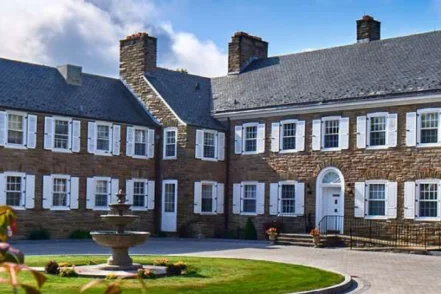
Geisinger Marworth
12 Lily Lake Road, Waverly, PA 18471
-
 Pennsylvania
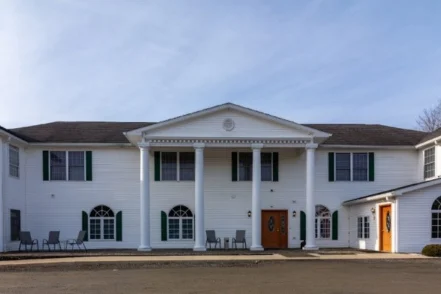
Avenues Recovery Center at Lake Ariel
50 Industrial Park Road, Lake Ariel, PA 18436
-
 Pennsylvania
Serenity at Summit Outpatient (Closed)
702 Hyde Park Doylestown, Pennsylvania 18902
-
 Pennsylvania
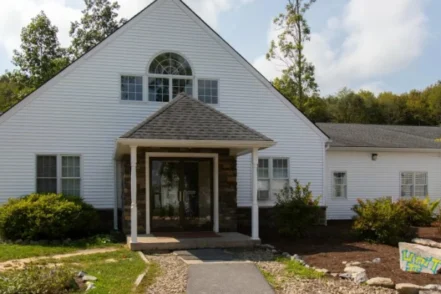
White Deer Run – Allenwood
360 White Deer Run Road, Allenwood, PA 17810
-
 Pennsylvania
Behavioral Health Group Chesapeake Treatment Center
3322 Western Branch Boulevard, Suite A Irwin, Pennsylvania 23321
-
 Pennsylvania
Huntington Creek Recovery Center
890 Bethel Hill Road, Shickshinny, PA 18655
-
 Pennsylvania
St. Joseph Institute
134 Jacobs Way, Port Matilda, PA 16870
-
 Pennsylvania
Gateway Rehab Green Tree
1016 Greentree Road, Pittsburgh, PA 15220
-
 Pennsylvania
Recovery Centers of America at Devon
235 West Lancaster Avenue, Devon, PA 19333
-
 Pennsylvania
Merakey Parkside Recovery
5000 Parkside Avenue, Suite 9000 Philadelphia, Pennsylvania 19131
-
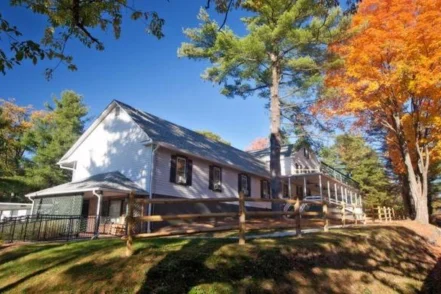 Pennsylvania
Pocono Mountain Recovery
3437 Pennsylvania 715, Henryville, PA 18332
-
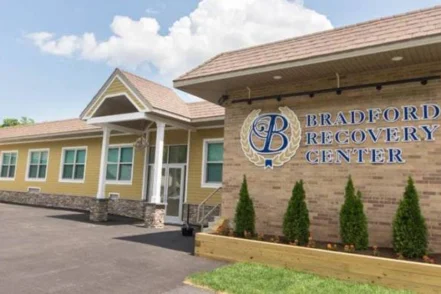 Pennsylvania
Bradford Recovery Center
64 School Street, Millerton, PA 16936
-
 Pennsylvania
Greenbriar Treatment Center Squirrel Hill
Murray Avenue, Pittsburgh, PA 15217
- Pennsylvania
Alcohol and Drug Abuse Services Bradford
2 Main Street, Suite 600 Bradford, Pennsylvania 16701
- Pennsylvania
Tadiso
1425 Beaver Avenue Pittsburgh, Pennsylvania 15233
Other Popular Pennsylvania Cities
Browse by Pennsylvania cities
- Mahanoy City
- Malvern
- Marienville
- Mc Connellsburg
- Mcconnellsburg
- McKeesport
- Meadville
- Mechanicsburg
- Media
- Mercer
- Middleburg
- Middletown
- Mifflintown
- Milford
- Millerton
- Milton
- Monessen
- Monroeville
- Montgomery
- Montrose
- Morgantown
- Morrisville
- Mount Gretna
- Mount Joy
- Mount Pleasant
- Mount Pocono
- Mountville
- Munhall
FAQs
Is Gaudenzia Washington House an inpatient or outpatient program?
Residential. The house provides low-intensity residential substance use treatment and co-occurring disorders treatment. A person lives at the house while getting care for substance use and for a second condition at the same time.
Does the house take Medicaid plans?
Yes. Medicaid plans are accepted. Certain types of commercial insurance are accepted as well, and the program can assist with county funding for people who need it.
Who does Gaudenzia Washington House serve?
The house serves women in Philadelphia County who have substance use and co-occurring disorders. It is a women’s rehab program, so the setting and the counseling are designed around women.
What kinds of counseling does the house offer?
Individual and group counseling are both part of the program, along with trauma-informed care and culture-informed care. Sex-specific care is also listed among the approaches used here.