
About Holcomb Behavioral Health Systems
Chimes Holcomb Behavioral Health Systems in Exton, also known as Valley Creek Crisis Center, is a Chester County behavioral health provider offering crisis response and short term stabilization for adults.
The location provides walk in crisis evaluation, voluntary crisis residential care and support for individuals managing mental health concerns, substance use and cooccurring disorders.
Their approach is consumer driven and recovery oriented, focused on resolving acute crises and helping clients return safely to their communities.
Adult Crisis Stabilization
The Exton location specializes in crisis focused behavioral health care, including walk in evaluations available daily from 7:00 AM to 11:00 PM.
Adults age 18 and older can access the voluntary Adult Crisis Residential Program, a short term residential option positioned as a less restrictive alternative to inpatient psychiatric hospitalization.
Care emphasizes goal development, safety planning and timely community reintegration in a comfortable, homelike setting.
Clinicians work alongside clients to address acute concerns, build coping strategies and connect them with appropriate aftercare resources.
Cooccurring and Community Based Support
Beyond crisis stabilization, the Holcomb system supports individuals navigating cooccurring mental health and substance use challenges.
The Exton site also references a Bridge Medication Program and connects clients to Chester County’s broader crisis network.
Access and Getting Started
Services are delivered in person at 469 Creamery Way in Exton, serving Chester County residents through walk in and residential access points.
The broader Holcomb Behavioral Health Systems network is accredited by The Joint Commission.
Payment options may include self pay and additional financial assistance pathways, with specifics confirmed at intake.
Addiction Treatment Programs

Alcohol Rehab
Facilities that offer alcohol rehab in Pennsylvania can give you the skills and tools you need to break free from alcohol use disorder. These treatment programs offer detox, inpatient treatment, and outpatient care. You may receive individual, group, and family counseling, peer support, and classes in essential life skills.

Dual Diagnosis
A dual diagnosis, when you have mental health and substance use concerns, can make recovery harder. Be sure to choose a rehab in Pennsylvania that can address both issues. Part of treatment will include managing your mental health symptoms so you aren’t tempted to use substances to self-medicate. This can be done without counseling and medication.

Opioid Addiction
If you’re ready to overcome opioid addiction, a high-quality rehab in Pennsylvania can give you the tools you need. The rehab program may use multiple approaches, including nutrition, psychology, holistic methods, and support groups. These tools help you build a substance-free lifestyle and move into long-term recovery.

Young Adult Rehab
Those who join a young adult rehab program in Pennsylvania are given training in key life skills to help them transition to adulthood. These treatment programs offer detox, inpatient treatment, and outpatient care tailored to the unique needs and challenges of young adults.

Adult Program
If you’re an adult struggling with substance use, consider an adult program for rehab in Pennsylvania. These treatment programs offer detox, inpatient treatment, and outpatient care tailored to the specific needs and challenges of adults.

Men's Rehab
Men’s rehab programs in Pennsylvania can help men make healthier life choices and avoid common mistakes. These treatment programs offer detox, inpatient treatment, and outpatient care tailored to the unique needs and challenges men face, which may include questions about careers, fatherhood, family relationships, emotional vulnerability, and more.

Women's Rehab
Women’s rehab programs in Pennsylvania address the unique needs of women in a safe, gender-specific environment. These treatment programs offer detox, inpatient treatment, and outpatient care tailored to the unique needs and challenges of women. They generally also include life skills training tailored to the client’s needs.

Outpatient Substance Use Services
Holcomb offers outpatient substance use disorder services for children, adults, and families, delivered through community-based counseling and coordinated care from its Exton office.
Outpatient Mental Health Services
Outpatient mental health treatment at Holcomb Behavioral Health Systems addresses co-occurring conditions alongside substance use care, supporting Chester County residents through integrated behavioral health services.
Medication-Assisted Treatment
Holcomb Behavioral Health Systems lists medication-assisted treatment among its continuum of substance use services, pairing medication management with counseling for individuals in outpatient care.
Crisis Intervention Services
Crisis intervention services are available for individuals experiencing a behavioral health crisis, reflecting Holcomb’s commitment to responsive, community-based care in the Chester County area.
Prevention and Education Programs
Chester County Prevention Services, coordinated through Holcomb, delivers evidence-based prevention programs and student assistance services to schools and communities throughout the county.
Psychiatric Rehabilitation Program
Holcomb’s psychiatric rehabilitation services support individuals managing mental health conditions alongside substance use, offered as part of its outpatient continuum in Exton, PA.
Insurance Coverage

Medicaid
If you qualify in Pennsylvania, Medicaid is one of your options when it comes to paying for rehab. Programs that accept Medicaid can offer any level of care, including detox, inpatient, and outpatient. Your out-of-pocket costs, if any, are likely to be very low.

Private insurance
One option for paying for rehab in Pennsylvania is using private insurance. Plans vary, so be sure to contact your insurance company to find out coverage details and what copayments or deductibles you might be responsible for.

Self-pay options
Self-pay is an option for paying for rehab in Pennsylvania that maximizes your ability to choose the treatment center. You can use a medical loan, write a check, or electronically send money to the center. Payment arrangements may vary depending on the type of treatment

Financial aid
One way to pay for rehab in Pennsylvania is to use financial aid programs if you qualify. You can pay for detox, inpatient treatment, or outpatient care using scholarships or grants from the treatment center or from local organizations.

Sliding scale payment assistance
How do you pay for rehab in Pennsylvania? A good option is to look for programs with a sliding scale payment plan. Centers make lower fee arrangements for those in need based on income and family size. You may need to provide documentation.

Medicare
Medicare is a good way to pay for substance use treatment in Pennsylvania. You’ll want to find a treatment center that accepts your Medicare plan and find out details about coverage and out-of-pocket costs.

Military insurance
For those with military insurance, using your coverage to pay for treatment in Pennsylvania can make rehab more accessible. Different plans have different coverage levels, so be sure to check with your insurance company for details. You may be responsible for certain costs, such as copayments and deductibles.
Levels of Care
- 1
Inpatient Rehab
For many people, it’s important to focus entirely on recovery without distractions, and inpatient treatment in Pennsylvania gives you that opportunity. Building a new life for yourself is challenging, and the focused, uninterrupted treatment you receive during inpatient care can help you lay that foundation.
- 2
Outpatient Rehab
Holcomb Behavioral Health Systems provides outpatient drug and alcohol treatment from its Exton, Pennsylvania office, combining individual, group, and family counseling with medication management for substance use disorders.
Therapies

Cognitive Behavior Therapy
Cognitive behavioral therapy (CBT) in Pennsylvania helps you address the thinking patterns that are holding you back from a better life. Learning which thought distortions you are most susceptible to can help you challenge unhelpful thoughts, create better interpretations of situations, and choose healthier responses.

Family Therapy
Family therapy is included among Holcomb Behavioral Health Systems’ outpatient services, addressing relational dynamics that affect substance use and mental health recovery for clients and their families.

Group Therapy
Group therapy sessions are provided through Holcomb’s outpatient drug and alcohol treatment program, allowing clients in Chester County to build peer support alongside clinical guidance.

Individual Therapy
Holcomb Behavioral Health Systems offers individual counseling as part of its outpatient substance use and mental health services at the Exton, Pennsylvania location, supporting personalized recovery goals.

Trauma Therapy
Trauma-informed therapy in Pennsylvania is led by a professional who facilitates clients sharing about their experiences and emotions. Trauma-informed therapy is a normal part of evidence-based treatment programs and may be a part of inpatient treatment, outpatient care, or both. Methods include sharing of experiences, peer support, mindfulness practices, and more.
Medication Management
Holcomb provides medication management services integrated with outpatient substance use and psychiatric care, helping clients at the Exton office monitor and adjust prescribed treatments.
Psychiatric Rehabilitation Services
Psychiatric Rehabilitation Services (PRS) support individuals with co-occurring mental health needs, offered by Holcomb Behavioral Health Systems as part of its community-based continuum of care.
Behavioral Health Rehabilitation Services
Behavioral Health Rehabilitation Services (BHRS) are available through Holcomb, providing structured behavioral support for children, adults, and families in Chester County.
Case Management
Case management services help coordinate care across Holcomb’s outpatient, psychiatric, and substance use programs, ensuring continuity for clients served at the Exton, PA office.
Accreditations


Location
Contact Holcomb Behavioral Health Systems


 Sponsored
Treatmentcentersdirectory.com regularly reviews this listing for accuracy but changes may occur between updates. For the most up-to-date information, please contact Holcomb Behavioral Health Systems.
Top Drug Rehab Centers in Pennsylvania
-
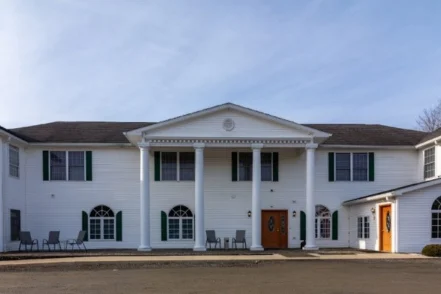 Pennsylvania
Avenues Recovery Center at Lake Ariel
50 Industrial Park Road, Lake Ariel, PA 18436
-
 Pennsylvania
Gateway Rehab Green Tree
1016 Greentree Road, Pittsburgh, PA 15220
-
 Pennsylvania
Alcohol and Drug Abuse Services Bradford
2 Main Street, Suite 600 Bradford, Pennsylvania 16701
-
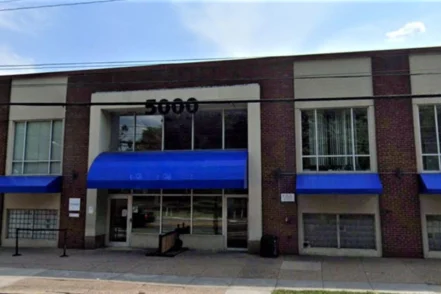 Pennsylvania
Merakey Parkside Recovery
5000 Parkside Avenue, Suite 9000 Philadelphia, Pennsylvania 19131
-
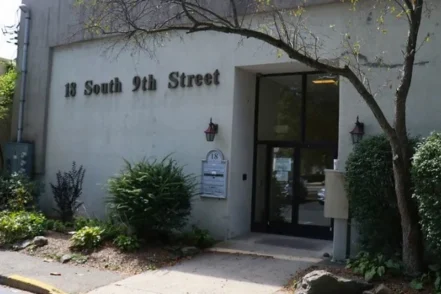 Pennsylvania
A Better Today Stroudsburg
18 South 9th Street Stroudsburg, Pennsylvania 18360
-
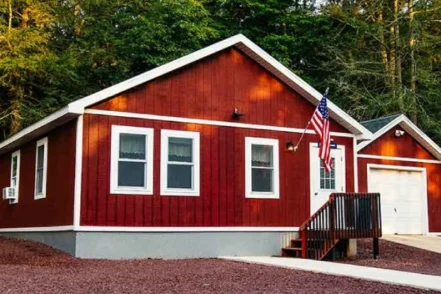 Pennsylvania
Huntington Creek Recovery Center
890 Bethel Hill Road, Shickshinny, PA 18655
-
 Pennsylvania
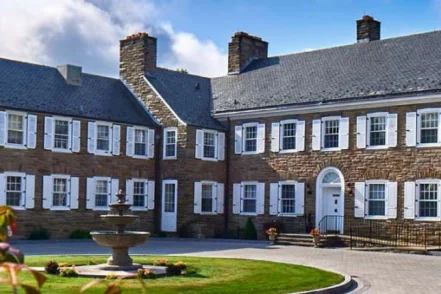
Geisinger Marworth
12 Lily Lake Road, Waverly, PA 18471
-
 Pennsylvania
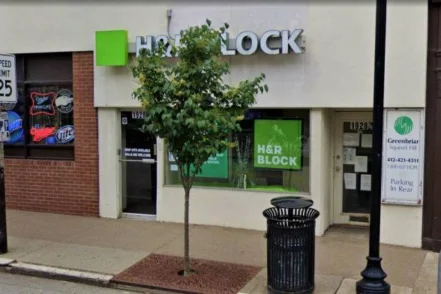
Greenbriar Treatment Center Squirrel Hill
Murray Avenue, Pittsburgh, PA 15217
-
 Pennsylvania
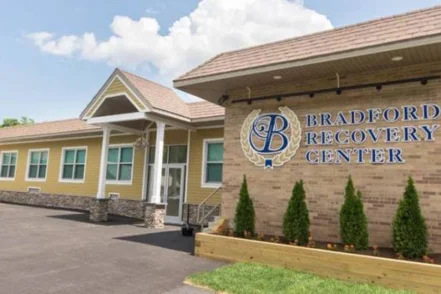
Bradford Recovery Center
64 School Street, Millerton, PA 16936
-
 Pennsylvania
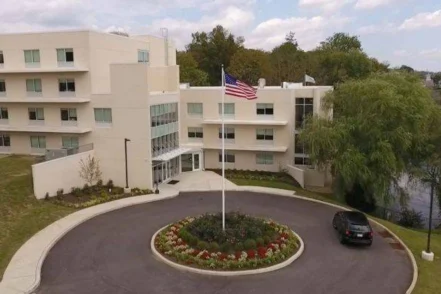
Recovery Centers of America at Devon
235 West Lancaster Avenue, Devon, PA 19333
-
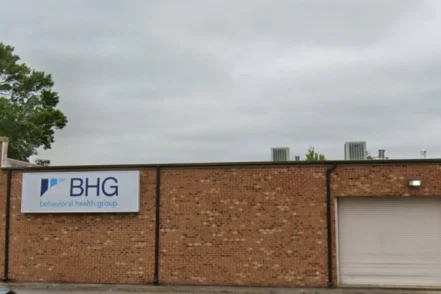 Pennsylvania
Behavioral Health Group Chesapeake Treatment Center
3322 Western Branch Boulevard, Suite A Irwin, Pennsylvania 23321
-
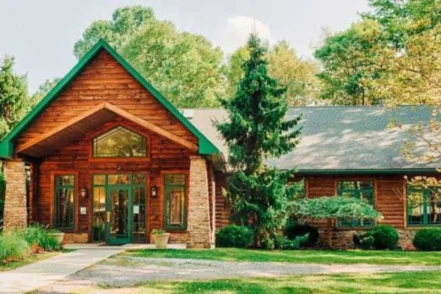 Pennsylvania
St. Joseph Institute
134 Jacobs Way, Port Matilda, PA 16870
- Pennsylvania
Serenity at Summit Outpatient
702 Hyde Park Doylestown, Pennsylvania 18902
-
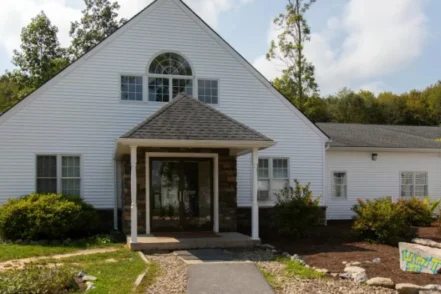 Pennsylvania
White Deer Run – Allenwood
360 White Deer Run Road, Allenwood, PA 17810
- Pennsylvania
Tadiso
1425 Beaver Avenue Pittsburgh, Pennsylvania 15233
-
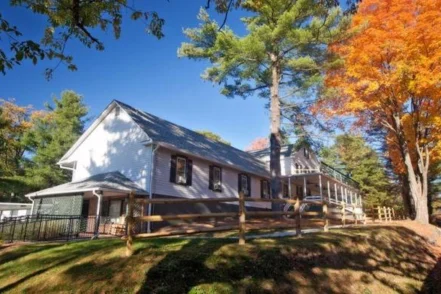 Pennsylvania
Pocono Mountain Recovery
3437 Pennsylvania 715, Henryville, PA 18332
Other Popular Pennsylvania Cities
Browse by Pennsylvania cities
- Mahanoy City
- Malvern
- Marienville
- Mc Connellsburg
- Mcconnellsburg
- McKeesport
- Meadville
- Mechanicsburg
- Media
- Mercer
- Middleburg
- Middletown
- Mifflintown
- Milford
- Millerton
- Milton
- Monessen
- Monroeville
- Montgomery
- Montrose
- Morgantown
- Morrisville
- Mount Gretna
- Mount Joy
- Mount Pleasant
- Mount Pocono
- Mountville
- Munhall