
Tallahassee Woman Turns Loss Into Mental Health Care for Families
Published June 23, 2026

Access to personalized mental health treatment is attracting fresh attention in Tallahassee, where psychiatric nurse practitioner Trish Allmon has built a practice around a simple belief. Recovery from mental illness and addiction takes more than a rushed appointment.
Florida already features many strong inpatient and outpatient care centers for mental and behavioral health conditions. However, many times people believe that having depression or anxiety exists separately from substance abuse. Allmon’s story shows how often families touched by substance use end up navigating mental health care at the same time.
Connecting Mental Health & Addiction
Trish Allmon owns and operates Serene Restoration for individuals with mental health conditions. She grew up alongside her brother Andrew as he struggled with substance use, which shaped her drive to help families facing similar challenges. She described her fear that came with loving someone in active addiction as she watched reckless behavior and braced for a phone call that could bring the worst news. Andrew died in a motorcycle incident back in 2020. Allmon, now a psychiatric nurse practitioner, describes the work she does each day as a tribute to him.
That overlap between addiction and mental health is common. Substance use often sits alongside depression, anxiety, trauma or grief, and families are frequently the ones holding everything together while a loved one tries to cope. Comprehensive behavioral health treatment can meet people at exactly that intersection.
Personalized Mental Health Treatment Matters
Allmon launched Serene Restoration after recognizing how many people needed steadier, more individualized support than brief medication visits allow. “I believe people with mental illness need more than 15 minutes in and out,” she observed. Serene Restoration features psychiatric care, family consultations and special programs for military members.
This kind of comprehensive approach matters because mental health conditions rarely show up in isolation. Care that makes room for family, follow-up and the whole person tends to serve folks better than treatment squeezed into a short slot. For someone juggling a mental health diagnosis, chronic pain, and substance use problems, that continuity can make the difference between staying in treatment and falling through the cracks.
Explaining Dual Diagnosis
Serene Restoration is just one center, but the problem persists nationwide. When someone lives with both a mental health condition and a substance use disorder, clinicians call it a dual diagnosis or co-occurring disorder. Treating both conditions together, rather than one at a time, usually gives people a stronger footing in recovery.
Programs built for co-occurring disorders coordinate psychiatric care, therapy and medication-assisted treatment under a single plan so the two conditions don’t work against each other.
Treatment Options in Tallahassee and Beyond
Comprehensive care spans several levels. Residential treatment centers offer structured, round-the-clock support, while outpatient programs let people stay at home and keep working or caring for family.
In either option, evidence-based behavioral therapy and trauma-focused therapy are common building blocks, often paired with medication management handled. Allmon’s relationship-centered model reflects one end of that spectrum that blends consistent contact and family involvement.
Families looking for help can compare mental health treatment centers, search dual diagnosis treatment programs, and find facilities that treat depression and addiction together. The right fit depends on the diagnosis and the level of care needed to address any co-occurring conditions.
Our treatment centers directory makes it easy to compare mental health and addiction treatment facilities in your area. Browse the listings to find programs that handle co-occurring conditions or call 800-908-4823 (Sponsored) to chat with an expert and explore local options.
Author

Quentin Blount
Read Bio
Quentin brings nearly a decade of experience as a writer, editor, and digital publisher to his role as Content Manager for Rehab.com. He aims to help people better understand their treatment options by creating engaging and informative content that is user-friendly, factually accurate, and optimized for search engine visibility. In his free time, Quentin enjoys the company of his friends, family, and his dog, Coop.
Editor

Peter Lee, PhD
Read Bio
Peter W.Y. Lee is a writer and historian of American history during the Cold War. His primary focus is the relationship between youth and popular culture and its impact on U.S. society during the twentieth century. He has published widely on how the public has used popular culture as a mechanism to address political and social shifts throughout time
Articles About Alcohol & Treatment

Mental Illness is the World’s Leading Cause of Disability, Study Finds
Mental Illness is the World’s Leading Cause of Disability, Study Finds Published June 23, 2026 Mental illness and disorders are now the leading cause of disability around the world, a finding that points to a widening gap between the need for mental health treatment and the care actually available. A major new analysis estimates nearly…
Tallahassee Woman Turns Loss Into Mental Health Care for Families
Tallahassee Woman Turns Loss Into Mental Health Care for Families Published June 23, 2026 Access to personalized mental health treatment is attracting fresh attention in Tallahassee, where psychiatric nurse practitioner Trish Allmon has built a practice around a simple belief. Recovery from mental illness and addiction takes more than a rushed appointment. Florida already features…

UCLA Study Ties Teen Substance Use to Higher Suicide Risk
UCLA Study Ties Teen Substance Use to Higher Suicide Risk Published June 22, 2026 For families weighing how to help a teenager with drug issues, a new UCLA study delivers a clear message. Substance use and mental health are deeply connected, and treating them together through dual diagnosis treatment can safely enhance their recovery. The…
Browse Treatment Centers by State
-
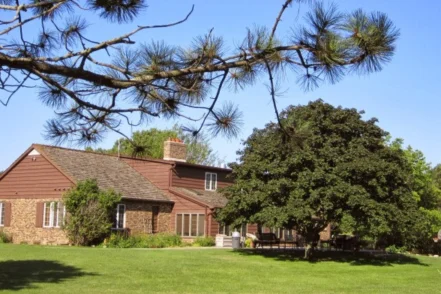 South Dakota
Tallgrass Recovery
27048 Tallgrass Avenue Sioux Falls, South Dakota 57108
Treatment Programs
- Alcohol Rehab
- Drug Rehab
- Adult Program
- +3
-
 Alabama
AltaPointe Talladega Outpatient
10 Bemiston Avenue Talladega, Alabama 35160
Treatment Programs
- Dual Diagnosis
- Young Adult Rehab
- Adult Program
- +1
-
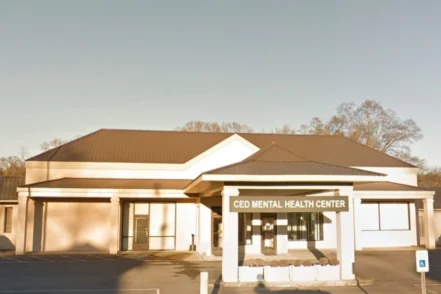 Alabama
CED Mental Health Center Attalla
425 5Th Avenue Nw Attalla, Alabama 35954
Treatment Programs
- Alcohol Rehab
- Dual Diagnosis
- Opioid Addiction
- +5
-
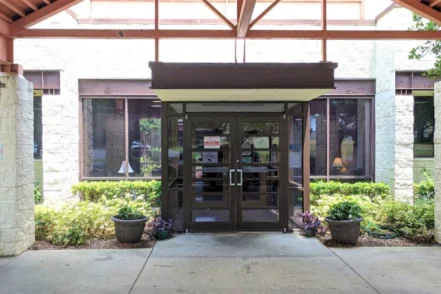 Florida
LifeStream Behavioral Center Tally Road
2020 Tally Road Leesburg, Florida 34748
Treatment Programs
- Drug Rehab
- Dual Diagnosis
- Young Adult Rehab
- +1