
SAMHSA Survey Shows Co-Occurring Disorders Declined Since 2021
Published August 3, 2026

Rates of co-occurring disorders have declined. SAMHSA released the results of its 2025 National Survey on Drug Use and Health on July 27, and the data show drops in the combination of mental illness and substance use disorder across both youth and adult populations. This shift matters for anyone searching for dual diagnosis treatment.
The survey draws on self-reported responses from more than 60,000 people and comprises the federal government’s primary data on mental health conditions, substance use, treatment and recovery. The 2025 release marks the fifth consecutive year of comparable data, allowing for an unbroken trend analysis.
Declining Co-Occurring Conditions
Among adolescents aged 12 to 17, SAMHSA reported declines in past-year major depressive episode, major depressive episode with severe impairment, co-occurring major depressive episode and substance use disorder and co-occurring major depressive episode with severe impairment and substance use disorder.
Among adults 18 and older, declines appeared in major depressive episodes and serious mental illnesses with and without severe impairment, including substance use disorders.
SAMHSA described the youth findings as especially notable. They stated that for people aged 12 to 17 and 18 to 25, all key indicators in the annual report declined.
Suicide indicators moved in the same direction. In 2025, 2.6 million teens had serious thoughts of suicide. An estimated 1.3 million, or 5.1%, made a plan, and 738,000, or 2.9%, made an attempt.
Treatment Engagement and Recovery Numbers
A co-occurring disorder, also called dual diagnosis, means a person has both a mental health condition and a substance use disorder at the same time. The two interact. Untreated depression or anxiety raises the risk of substance use, and substance use worsens psychiatric symptoms and trauma. That’s why treating one and ignoring the other tends to produce poor results.
Integrated treatment addresses both conditions in the same plan with the same clinical team, rather than sequencing them. That structural difference separates a dual diagnosis program from a general addiction program that happens to have a therapist on staff.
The survey also measured the demographics receiving care. In 2025, 27% of adolescents received mental health treatment, as did 22% of adults.
The recovery figures are larger than many readers expect. More than 22 million Americans reported being in recovery from addiction, and more than 44 million reported being in recovery from mental illness.
Some Numbers Moved the Wrong Way
The report isn’t uniformly positive, and SAMHSA relayed that directly. Alongside the declines, the agency identified increases in past-month nicotine vaping and past-month marijuana use.
Substance use overall remains widespread. More than half of people aged 12 and older used nicotine, alcohol or an illicit drug in the past month, with alcohol accounting for most of that. Among current drinkers, 44% took part in binge drinking in 2025. Past-month binge drinking stood at 19.5%, down from nearly 22% in 2021.
Broader substance use indicators mostly held steady or improved between 2021 and 2025, including significant declines in past-month tobacco, cigarette, and alcohol use, past-year misuse of prescription opioids and tranquilizers, and past-year initiation of nicotine vaping and marijuana use and other substances.
Declining prevalence doesn’t mean declining need. Roughly 20% of adults still received mental health treatment in the past year, and co-occurring conditions remain common enough that integrated capacity matters at every level of care.
For families comparing options, the practical question is whether a facility can treat both conditions concurrently rather than referring one out.
Comprehensive Treatment in Every Neighborhood
When comparing dual diagnosis programs, ask whether psychiatric and addiction care are delivered by one integrated team, any group therapies offered, whether medication management is available on site, and how the program handles Medicaid and private insurance.
Our online directory lists mental health and behavioral treatment centers by location, including programs that treat co-occurring disorders.
You can also dial 800-908-4823 (Sponsored) to speak with an expert for local resources and treatment options.
Author

Quentin Blount
Read Bio
Quentin brings nearly a decade of experience as a writer, editor, and digital publisher to his role as Content Manager for Rehab.com. He aims to help people better understand their treatment options by creating engaging and informative content that is user-friendly, factually accurate, and optimized for search engine visibility. In his free time, Quentin enjoys the company of his friends, family, and his dog, Coop.
Editor

Peter Lee, PhD
Read Bio
Peter W.Y. Lee is a writer and historian of American history during the Cold War. His primary focus is the relationship between youth and popular culture and its impact on U.S. society during the twentieth century. He has published widely on how the public has used popular culture as a mechanism to address political and social shifts throughout time
Articles About Alcohol & Treatment

Springfield, Missouri Approves $500K Mental Health Treatment Resource Map
Springfield, Missouri Approves $500K Mental Health Treatment Resource Map Published October 2, 2026 The city of Springfield has allocated $500,000 to create a map of mental health treatment and substance use resources in the city. To be clear, the state of Missouri has plenty of options for folks dealing with additions, but local recovery advocates…

Stone County, Mississippi Program Now Serves Women Only
Stone County, Mississippi Program Now Serves Women Only Published October 2, 2026 A church out in Mississippi changed its recovery program recently just for women. The Church of Turning Points in Stone County split its Life Recovery Program to create a women-only meeting. The group gathers each Thursday evening at 6:30 at the Sunflower Community…

UC San Diego Awarded $12.6 Million for Dual Diagnosis Research
UC San Diego Awarded $12.6 Million for Dual Diagnosis Research Published October 1, 2026 A new $12.6 million federal investment in addiction science could change how we use dual diagnosis treatment. Researchers at UC San Diego in California received the five-year award from the National Institute on Drug Abuse to launch the Polysubstance Addiction Research…
Browse Treatment Centers by State
-
 North Carolina
Anuvia Prevention and Recovery Samuel Billings Center
429 Billingsley Road Charlotte, North Carolina 28211
Treatment Programs
- Alcohol Rehab
- Dual Diagnosis
- Opioid Addiction
- +5
-
 Virginia
Good Samaritan Ministries
2307 Hull Street Richmond, Virginia 23224
Treatment Programs
- Drug Rehab
- Adult Program
- Men's Rehab
- +0
-
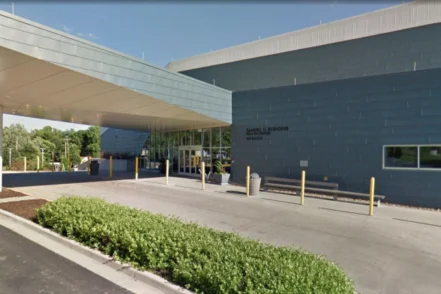 Missouri
Mental Health Clinic of Samuel Rodgers
825 Euclid Avenue Kansas City, Missouri 64124
Treatment Programs
- Dual Diagnosis
- Adult Program
- Senior Rehab
- +1
-
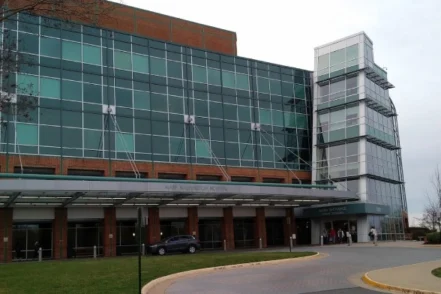 Virginia
Mary Washington Behavioral Health
621 Emancipation Highway, 201, Fredericksburg, VA 22401
Treatment Programs
- Young Adult Rehab
- Drug Rehab
- Addiction Medicine
- +2