
New App Supports Student Mental Health Treatment After Crisis
Published June 11, 2026

A University of Virginia researcher is developing an app designed to improve mental health treatment for students after a psychiatric crisis. The app can close the communication gap between hospital emergency departments, families and schools.
While Virginia already boasts many strong recovery services for young people, too many youths still fall through the cracks. The initiative puts a needed spotlight on one of the most overlooked moments in behavioral health care: what happens to young people after the emergency room.
Mental Health Treatment Breaks Down After a Crisis
Dr. Lora Henderson Smith leads the Promoting Healthy and Supportive Experiences in Schools (PHASES) Lab at UVA. Her team focuses on supporting K–12 students returning to school after a mental health crisis. Henderson Smith points to a significant increase in young people visiting emergency departments for mental health-related reasons.
But the ER visit is only the beginning. Henderson Smith notes that most youngsters discharged from the emergency department after a mental health issue go directly home and are often back in school the very next day.
That re-entry moment is where the behavioral health system most often fails. Schools receive little if any communication from hospitals about what a student experienced or what ongoing mental health treatment they may need. The shortage in mental health providers throughout the country, especially for teens, plus the lack of communication means parents are left navigating outpatient referrals, therapy options and school accommodations largely on their own.
“Emergency departments are not designed to provide treatment to children who are in a mental health crisis,” Henderson Smith noted. “They’re designed for assessment and triaging and getting them to where they need to go.”
Mental Health Treatment Must Continue After the ER
Among her duties, Henderson Smith trains school mental health professionals and develops interventions to bridge the gap between education and health care. Here, her current project features an app that promotes communication between the hospital system, families and schools.
The app is precisely where comprehensive mental health treatment becomes essential. Students with the highest level of need may be transferred to residential treatment centers. But the majority return home and to school without intensive services. Without further care, underlying conditions like depression can fuel substance misuse or lead to further complications like social media addiction as a means to cope.
Henderson Smith emphasized that students who aren’t admitted to inpatient care still need support outside the hospital, such as aftercare programs or check-ins with primary care providers. Plus, all students return to school. That universal return to the classroom is why her research treats schools as a primary site of prevention and early intervention for anxiety, depression and trauma.
Integrated Behavioral Health Care Closes the Gap
For many families, this story feels familiar. A child experiences a crisis. Hours pass in an emergency department. They’re stabilized, discharged and then returned to the same environment without a clear handoff to ongoing mental health treatment.
Integrated behavioral health care changes that outcome. When hospitals, outpatient facilities and schools coordinate care, young people receive consistent support across every setting. School mental health counselors, social workers and psychologists can apply evidence-based approaches including behavioral therapy (CBT) and trauma-informed practices to support students so their conditions don’t worsen.
The UVA research team is currently networking with school mental health professionals, emergency department clinicians, youth and families. Even with the app, they want to better assist students as they transition back to school – even if it’s just getting tips on how to improve their diets.
Families Can Get Involved
Henderson Smith prioritized high school students who have experienced at least one mental health-related emergency department visit. She also asked their parents to participate in focus groups that will directly shape the app’s development. Parents’ stress can impact their kids’ mental health, which makes their input vital.
“We are all about making the transition back to school after a mental health crisis more successful,” Henderson Smith relayed. She urged families not to let stigma stand in the way of participating.
Finding Mental Health Treatment Centers Anywhere
If your child or loved one is navigating a mental health crisis or stepping down from an inpatient stay, connecting with the right comprehensive care program is essential. The best mental health treatment facilities offer coordinated support that addresses both immediate stabilization and longer-term behavioral health needs — exactly the kind of continuity Dr. Henderson Smith’s research is working to build.
Call 800-908-4823 (Sponsored) or search our directory to find mental health treatment facilities, dual diagnosis treatment programs or residential treatment centers in your area.
Author

Nikki Wisher, BA
Read Bio
Nikki Wisher is an Atlanta-based content writer who specializes in health and wellness. After earning her BA in English, she has been writing in the health and wellness space for over a decade, with credits ranging from addiction recovery to fitness to aesthetics and skin care. This includes her inclusive running blog forallrunners.com.
Editor

Peter Lee, PhD
Read Bio
Peter W.Y. Lee is a writer and historian of American history during the Cold War. His primary focus is the relationship between youth and popular culture and its impact on U.S. society during the twentieth century. He has published widely on how the public has used popular culture as a mechanism to address political and social shifts throughout time
Articles About Alcohol & Treatment

North Carolina Gets $7M for Mental Health Treatment Services
North Carolina Gets $7M for Mental Health Treatment Services Published September 17, 2026 North Carolina’s mental health treatment infrastructure is getting $7 million in federal investment. To be clear, North Carolina already has a robust system of inpatient and outpatient programs to help folks with mental health and drug-related conditions. But many people still remain…

Denver Dual Diagnosis Clinic Requires No Prior Addiction Diagnosis
Denver Dual Diagnosis Clinic Requires No Prior Addiction Diagnosis Published September 16, 2026 AspenRidge Recovery opened a new option for dual diagnosis care in Denver this month. It’s one of hundreds of facilities in Colorado, but their admission policy sets it apart. The Lowry neighborhood center treats depression and addiction with mental health as the…

Dual Diagnosis Treatment Insights From School Gaming Study
Dual Diagnosis Treatment Insights From School Gaming Study Published September 15, 2026 A trial of 1,800 German adolescents showed that cognitive behavioral therapy prevented gaming disorder far better than media education. This result had direct relevance for mental health treatment facilities and dual diagnosis treatment programs serving teens with co-occurring conditions. Adolescent gamers compulsively show…
Browse Treatment Centers by State
-
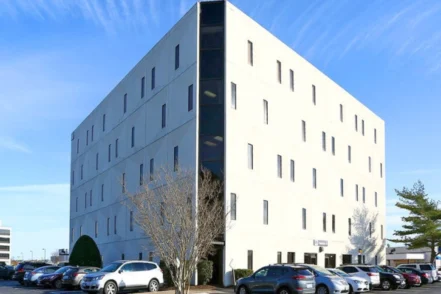 Virginia
Adult Outpatient Services Virginia Beach
297 Independence Blvd, Suite 126 Virginia Beach, Virginia 23462
Treatment Programs
- Alcohol Rehab
- Dual Diagnosis
- Opioid Addiction
- +5
-
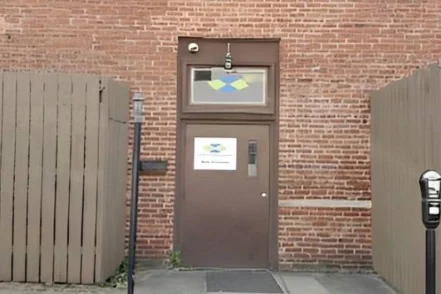 Pennsylvania
Accessible Recovery Services New Castle
125 East North Street, Suite 123A New Castle, Pennsylvania 16101
Treatment Programs
- Opioid Addiction
- Drug Rehab
- Adult Program
- +3
-
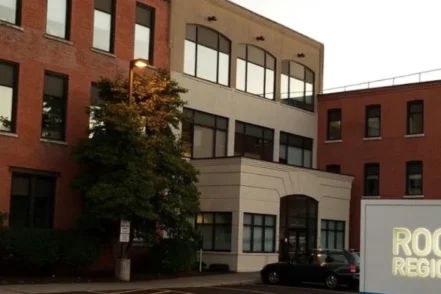 New York
Evelyn Brandon Health Center
81 Lake Avenue, Rochester, NY 14608
Treatment Programs
- Alcohol Rehab
- Dual Diagnosis
- Opioid Addiction
- +10
-
 California
Legacy Village McDonald Way
1001 McDonald Way Bakersfield, California 93309
Treatment Programs
- Alcohol Rehab
- Dual Diagnosis
- Opioid Addiction
- +4