
HHS Awards $383M for Mental Health Treatment and Crisis Care
Published September 18, 2026
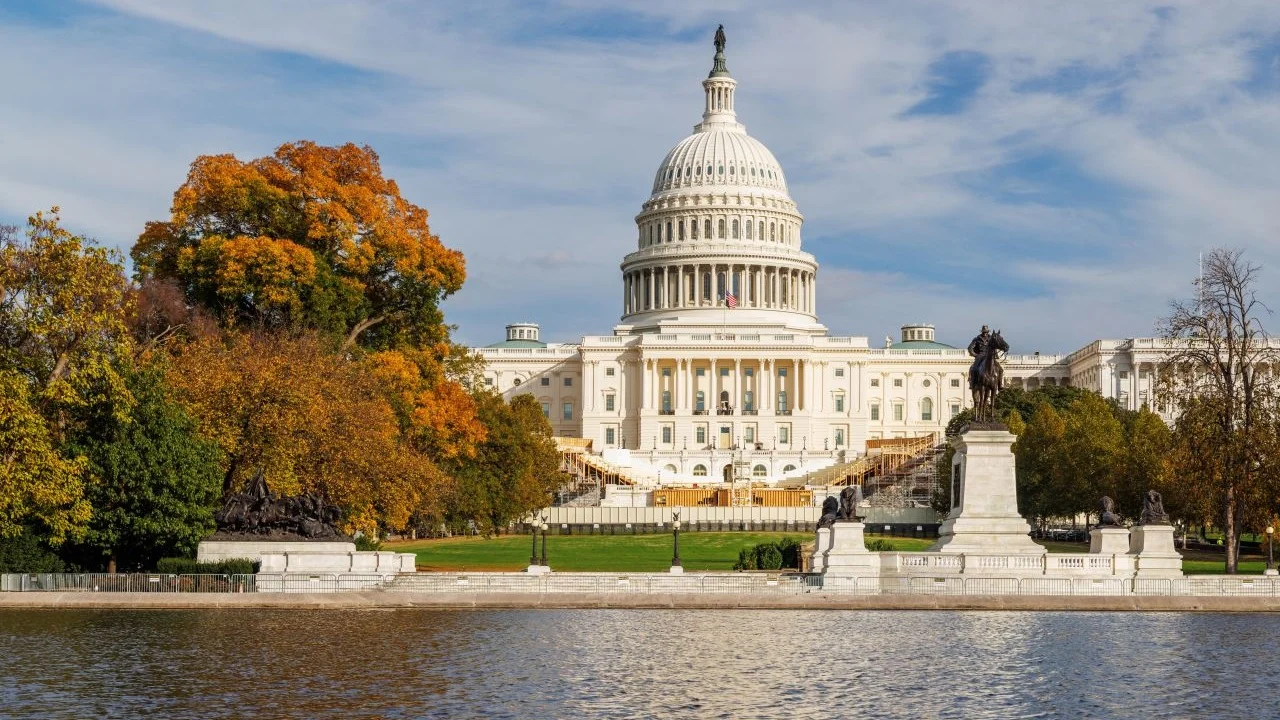
The federal government distributed its largest mental and behavioral health crisis funds for 2026. On September 8 the Department of Health and Human Services and SAMHSA announced $383.4 million in new grants.
The Grant Money
The awards split three ways. To commemorate 988 Day, $205.8 million goes directly into 988 for state and local agencies to improve local technology and response; $19.9 million for tribal 988 response; $13.9 million for suicide prevention among American Indian and Alaska Native youth through age 24; and $12.4 million for mobile crisis team partnerships.
The substance use treatment and prevention program totals $81.4 million and covers rural emergency medical services training at $13.4 million, community overdose prevention at $10.6 million, family drug courts at $7.4 million, residential treatment for pregnant and postpartum women at $6.1 million, much more for youths, emergency department, Native Americans and other specific causes.
The mental health allotment of $50 million funds childhood trauma treatment, school and family networks, early diversion programs that route people away from jail and into community care, tribal systems of care and assertive community treatment teams for those with serious mental illness.
988 & Crisis Response
“988 has become a critical front door to behavioral health care for millions of Americans, but answering the call is only the beginning,” noted SAMHSA Principal Deputy Assistant Secretary Christopher Carroll.
The expansion acknowledges that an answered call is only as good as what it connects to. Mobile units are needed more than ever as mental health provider gaps widen. Mobile crisis teams connect a person from a moment of crisis with actual mental health treatment instead of an emergency room or a jail cell.
Relating Mental Health to Addictions
The grants show the urgency of mental health conditions and substance use disorders by funding dual-diagnosis early diversion for people with co-occurring disorders and residential care for pregnant and postpartum women with drug addictions.
That’s integrated care in a nutshell. Someone whose depression and opioid use feed each other does poorly in a program that treats only one.
Treatment Approaches for Co-Occurring Conditions
Effective programs for co-occurring conditions combine psychiatric evaluation, medication management, behavioral therapy and coordinated substance use treatment. Residential programs provide 24/7 structure while outpatient options let people keep working and living at home.
The right level of care depends on symptom severity, safety and home support. That’s what the crisis and diversion grants are all about.
Mental Health Treatment in All Locations
People with mental health conditions, addiction or both know that this funding means more crisis options and better care on the way. When researching mental health treatment facilities, look for behavioral treatment centers that can evaluate co-occurring conditions and offer integrated treatment under one roof.
Our completely browsable directory lets you compare mental health treatment programs by level of care, specialty, and location. Call 800-908-4823 (Sponsored) to speak with an expert on finding comprehensive mental health and addiction treatment.
Author

Nikki Wisher, BA
Read Bio
Nikki Wisher is an Atlanta-based content writer who specializes in health and wellness. After earning her BA in English, she has been writing in the health and wellness space for over a decade, with credits ranging from addiction recovery to fitness to aesthetics and skin care. This includes her inclusive running blog forallrunners.com.
Editor

Peter Lee, PhD
Read Bio
Peter W.Y. Lee is a writer and historian of American history during the Cold War. His primary focus is the relationship between youth and popular culture and its impact on U.S. society during the twentieth century. He has published widely on how the public has used popular culture as a mechanism to address political and social shifts throughout time
Articles About Alcohol & Treatment

Mental Health Risk Rises With Long-Term Air Pollution Exposure
Mental Health Risk Rises With Long-Term Air Pollution Exposure Published September 18, 2026 The factors that shape mental health are more varied than most people expect. A systematic review and meta-analysis found that long-term exposure to common air pollutants is associated with increased risks of suicide, whether one attempts to take their own life or…
HHS Awards $383M for Mental Health Treatment and Crisis Care
HHS Awards $383M for Mental Health Treatment and Crisis Care Published September 18, 2026 The federal government distributed its largest mental and behavioral health crisis funds for 2026. On September 8 the Department of Health and Human Services and SAMHSA announced $383.4 million in new grants. The Grant Money The awards split three ways. To…

Anxiety Treatment Study Posts 5.1 Point GAD Symptom Drop
Anxiety Treatment Study Posts 5.1 Point GAD Symptom Drop Published September 17, 2026 A late-stage clinical trial delivered strong anxiety treatment results, with potential for those with anxiety and addictions. Definium Therapeutics announced that its Phase 3 Panorama study of DT120 ODT, an orally disintegrating formulation of LSD, met its primary endpoint in adults with…
Browse Treatment Centers by State
-
 Wisconsin
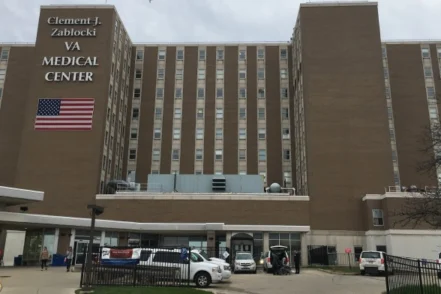
Milwaukee VA Medical Center Clement J Zablocki VA Medical Center
5000 West National Avenue Milwaukee, Wisconsin 53295
Treatment Programs
- Alcohol Rehab
- Dual Diagnosis
- Opioid Addiction
- +6
-
 Colorado
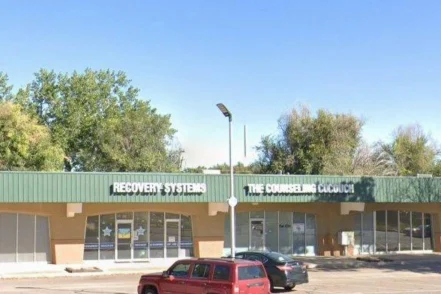
Recovery Systems PC
839 South Circle Drive, Colorado Springs, CO 80910
Treatment Programs
- Alcohol Rehab
- Dual Diagnosis
- Opioid Addiction
- +9
-
 Missouri
Truman Medical Center Lakewood Medical Medical Detox Services
7900 Lees Summit Road Kansas City, Missouri 64139
Treatment Programs
- Alcohol Rehab
- Opioid Addiction
- Drug Rehab
- +4
-
 Illinois
AMITA Health Saints Mary and Elizabeth Medical Center Chicago Saint Mary Campus
2233 West Division Street Chicago, Illinois 60622
Treatment Programs
- Alcohol Rehab
- Dual Diagnosis
- Opioid Addiction
- +5