
Deep TMS Offers a Lesser-Known Path in Addiction Recovery
Published July 10, 2026
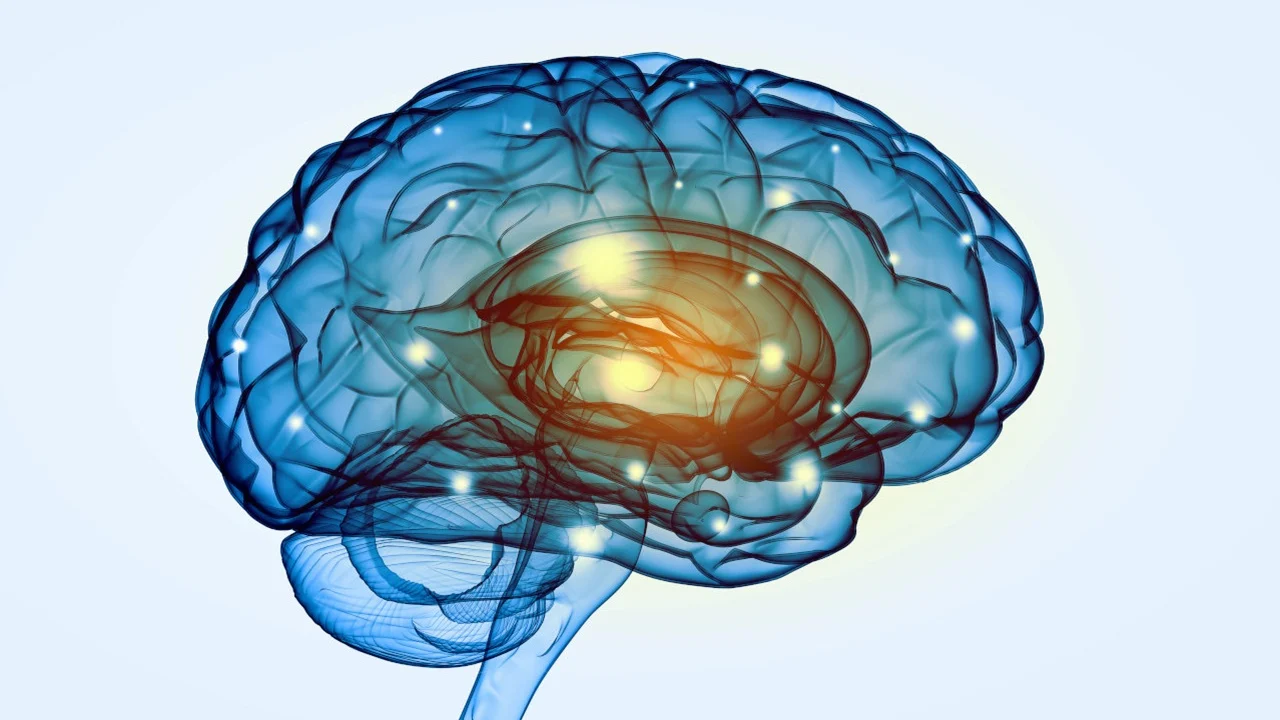
A brain-stimulation therapy that many Americans have never heard of draws new attention for its potential to treat addiction and mood disorders together. Deep transcranial magnetic stimulation, or Deep TMS, is the only device of its kind cleared for an addiction indication and joins other brain stimulation programs for dual diagnosis treatment.
Mental Health Linked to Addictions
Depression, anxiety, OCD, and substance use disorders often travel together. When a person lives with both a mental health condition and addiction, treating only one side tends to leave the other to undermine progress. That’s why comprehensive, integrated behavioral health care matters. Furthermore, therapies that reach several of these conditions are worth knowing about.
Deep TMS is a noninvasive treatment that uses magnetic pulses delivered through patented coils fitted into a helmet, reaching wider and deeper brain regions than first-generation TMS. The FDA cleared Deep TMS for major depressive disorder in 2013, obsessive-compulsive disorder in 2018, and an expanded indication for anxious depression. In 2020 it became the first TMS device cleared for an addiction indication, as an aid for short-term smoking cessation in adults.
Deep TMS Works for Addiction
For smoking cessation, Deep TMS uses a coil designed to stimulate the bilateral insula and prefrontal cortex, brain areas tied to craving and self-control. In the pivotal double-blind, sham-controlled trial of 262 adults, the continuous quit rate was 17.1% with active treatment compared with 7.9% with a sham. People who completed the protocol had a quit rate of 28.4% versus 11.7%.
A typical course runs 18 sessions over six weeks, each about 18 minutes, paired with brief counseling. Deep TMS may be covered by various insurance providers as well.
Let’s be precise about what that means. Deep TMS is cleared as an aid for short-term smoking cessation, not a guaranteed cure, and nicotine dependence is a substance use disorder in its own right.
Researchers are also studying Deep TMS for other psychiatric, neurological, and addiction conditions, though those uses don’t have clearance yet. However, given the shortage of mental health providers across the country, innovative procedures like Deep TMS may play pivotal roles in closing those gaps, especially among vulnerable communities.
Dual Diagnosis & Treatment
In a larger context, many folks have a dual diagnosis, also called co-occurring disorders. In these cases, patients live with mental health and substance use disorders at the same time. At times, people try to self-medicate through drugs, but that usually only makes the conditions worse.
Integrated treatment addresses both together rather than in sequence because each can feed the other. A platform cleared across depression, anxious depression, OCD, and a nicotine-addiction indication is a good illustration of why behavioral health and addiction care increasingly overlap.
Deep TMS doesn’t replace the core of comprehensive care. Most people benefit from a combination of approaches, which can include evidence-based therapies such as behavior therapy, medication-assisted treatment, and peer support.
Clinicians generally add neurostimulation like Deep TMS when standard inpatient or outpatient options haven’t brought enough relief, particularly for treatment-resistant depression or persistent cravings. It’s noninvasive, requires no anesthesia and has mild side effects such as brief scalp discomfort or headache.
Comprehensive Care Available
If you’re weighing options for co-occurring depression and addiction, look for programs that offer integrated dual diagnosis treatment and can explain how newer tools like Deep TMS fit alongside therapy and medication.
That’s where we come in. Our browsable treatment centers directory can help you find mental health and behavioral health facilities, including dual diagnosis programs that treat depression and addiction together.
You can also call 800-908-4823 (Sponsored) to speak with a specialist for free and confidential resources at any time.
Author

Quentin Blount
Read Bio
Quentin brings nearly a decade of experience as a writer, editor, and digital publisher to his role as Content Manager for Rehab.com. He aims to help people better understand their treatment options by creating engaging and informative content that is user-friendly, factually accurate, and optimized for search engine visibility. In his free time, Quentin enjoys the company of his friends, family, and his dog, Coop.
Editor

Peter Lee, PhD
Read Bio
Peter W.Y. Lee is a writer and historian of American history during the Cold War. His primary focus is the relationship between youth and popular culture and its impact on U.S. society during the twentieth century. He has published widely on how the public has used popular culture as a mechanism to address political and social shifts throughout time
Articles About Alcohol & Treatment
Deep TMS Offers a Lesser-Known Path in Addiction Recovery
Deep TMS Offers a Lesser-Known Path in Addiction Recovery Published July 10, 2026 A brain-stimulation therapy that many Americans have never heard of draws new attention for its potential to treat addiction and mood disorders together. Deep transcranial magnetic stimulation, or Deep TMS, is the only device of its kind cleared for an addiction indication…

Blue Space Therapy Supports Dual Diagnosis Recovery
Blue Space Therapy Supports Dual Diagnosis Recovery Published July 9, 2026 For people in dual diagnosis treatment, healing often happens as much outside the therapy room as inside it. A growing number of programs are turning to what researchers call blue space therapy. This involves structured time near the sea, rivers, or lakes to help…

Rumination Turns Caregiver Anxiety Into Deeper Distress, Study Finds
Rumination Turns Caregiver Anxiety Into Deeper Distress, Study Finds Published July 9, 2026 Caring for a loved one with dementia takes a heavy mental toll, and new research helps explain how everyday worries can harden into something more serious. A Virginia Tech study points to rumination, the habit of replaying the same distressing thoughts, as…
Browse Treatment Centers by State
-
 Missouri
TMS Institute of America
10420 Old Olive Street Road, Suite 104 Saint Louis, Missouri 63141
Treatment Programs
- Drug Rehab
- +-2
-
 California
Iris Healing Center TMS
20300 Ventura Blvd, Suite 275 Woodland Hills, California 91364
Treatment Programs
- Drug Rehab
- Adult Program
- Men's Rehab
- +1
-
 Oregon
Achieve TMS Center Beaverton
1675 SW Marlow Avenue, Suite 309 Beaverton, Oregon 97225
Treatment Programs
- Drug Rehab
- +-2
-
 New York
Brain Body Medical
15 East 40th Street, 201, New York, NY 10016
Treatment Programs
- Dual Diagnosis
- Alcohol Rehab
- Opioid Addiction
- +0