
Blue Space Therapy Supports Dual Diagnosis Recovery
Published July 9, 2026

For people in dual diagnosis treatment, healing often happens as much outside the therapy room as inside it. A growing number of programs are turning to what researchers call blue space therapy. This involves structured time near the sea, rivers, or lakes to help people cope with trauma, anxiety and addiction at the same time.
This holistic approach is still emerging but is drawing attention from clinicians who treat mental health and substance use together.
Mental Health and Addictions Connected
Trauma and addiction have close ties. People, such as veterans who live through combat, abuse, loss, or prolonged stress carry a higher risk of developing a substance use disorder. All too often, substances become a way to manage symptoms that never saw treatment, even though self-medication rarely works.
A recent report on blue space therapy illustrates the pattern through the people it profiles. A military veteran living with post-traumatic stress disorder who reached a suicidal crisis and a program founder who has spoken about her own experience with burnout and addiction both benefitted from blue space.
Their stories reflect what behavioral health providers see regularly, that mental health conditions like depression and addiction frequently travel together and are most effectively addressed as a pair.
Blue Space Therapy
The idea builds on the concept of the “blue mind,” popularized by marine biologist Wallace J. Nichols in his 2014 book of the same name. Proponents say time in and around water can calm the nervous system. Some research has linked it to lower levels of the stress hormone cortisol.
In practice, blue space programs take many forms. Turn to Starboard, a UK charity led by Sally Terry, uses sailing to support veterans. One of the treatment centers in California, Waves of Recovery in Los Angeles, offers surf therapy that runs alongside conventional treatment centers, and Inner Depths, led by psychiatrist and former combat veteran Dr. James Jung, uses freediving for trauma recovery.
The number of such programs has grown from roughly 50 in 2022 to more than 100 today. As Jung frames it, recovery from trauma is leaning into a process, not a destination.
How Dual Diagnosis Treatment Fits In
Dual diagnosis treatment, sometimes called integrated care for co-occurring disorders, addresses mental health and substance use disorders in the same coordinated plan. This matters because treating only the addiction can leave the underlying trauma or anxiety intact and vice versa.
Water-based programs are best understood as a complement within this model, not a replacement for it. They may help people regulate stress, reconnect with others and stay engaged, while clinical care does the core work.
Evidence-based care for co-occurring trauma and addiction typically includes talk therapies such as behavioral therapy and eye movement desensitization and reprocessing (EMDR), often combined with medication management and peer support.
Care is delivered across a range of settings. Options range from residential treatment centers for folks who need structure and monitoring to outpatient programs for those with more stability at home. An approach like blue space therapy can sit alongside any of these as an adjunct that supports the broader plan.
Comprehensive Treatment Everywhere
If you or someone you love manages mental health conditions and/or substance use disorders, start today. Look for programs that treat co-occurring disorders together rather than one at a time.
That’s where we come in. Our searchable directory allows you to compare mental health treatment facilities and behavioral treatment centers, including options that accept Medicaid. Or, feel free to call 800-908-4823 (Sponsored) to speak with an expert and explore facilities anywhere in the country.
Author

Nikki Wisher, BA
Read Bio
Nikki Wisher is an Atlanta-based content writer who specializes in health and wellness. After earning her BA in English, she has been writing in the health and wellness space for over a decade, with credits ranging from addiction recovery to fitness to aesthetics and skin care. This includes her inclusive running blog forallrunners.com.
Editor

Peter Lee, PhD
Read Bio
Peter W.Y. Lee is a writer and historian of American history during the Cold War. His primary focus is the relationship between youth and popular culture and its impact on U.S. society during the twentieth century. He has published widely on how the public has used popular culture as a mechanism to address political and social shifts throughout time
Articles About Alcohol & Treatment
Blue Space Therapy Supports Dual Diagnosis Recovery
Blue Space Therapy Supports Dual Diagnosis Recovery Published July 9, 2026 For people in dual diagnosis treatment, healing often happens as much outside the therapy room as inside it. A growing number of programs are turning to what researchers call blue space therapy. This involves structured time near the sea, rivers, or lakes to help…

Rumination Turns Caregiver Anxiety Into Deeper Distress, Study Finds
Rumination Turns Caregiver Anxiety Into Deeper Distress, Study Finds Published July 9, 2026 Caring for a loved one with dementia takes a heavy mental toll, and new research helps explain how everyday worries can harden into something more serious. A Virginia Tech study points to rumination, the habit of replaying the same distressing thoughts, as…

Disaster Resource Loss Linked to Poor Child Mental Health
Disaster Resource Loss Linked to Poor Child Mental Health Published July 8, 2026 A new study offers a reminder that mental health rarely exists in isolation, a principle at the heart of dual diagnosis treatment. A team at the University of Nebraska Medical Center found that children’s mental health may be indirectly harmed by what…
Browse Treatment Centers by State
-
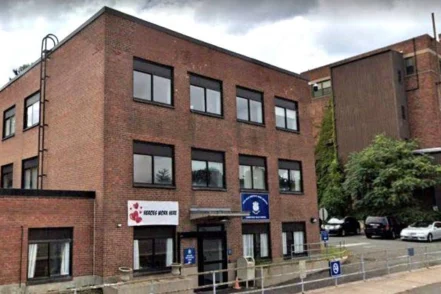 Connecticut
Blue Hills Hospital Hartford Campus
500-Vine Street Hartford, Connecticut 06112
Treatment Programs
- Alcohol Rehab
- Dual Diagnosis
- Opioid Addiction
- +4
-
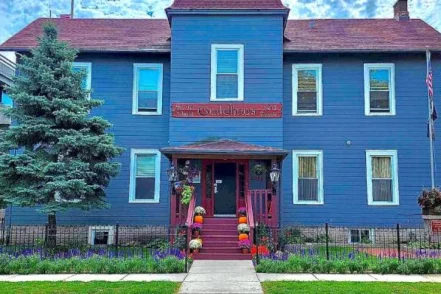 Illinois
Guildhaus
2413 Canal Street Blue Island, Illinois 60406
Treatment Programs
- Men's Rehab
- +-2
-
 North Carolina
First at Blue Ridge
32 Knox Road Ridgecrest, North Carolina 28770
Treatment Programs
- Alcohol Rehab
- Dual Diagnosis
- Opioid Addiction
- +4
-
 Pennsylvania
Blueprints for Addiction Recovery
222 South Market Street, Suite 202 Elizabethtown, Pennsylvania 17022
Treatment Programs
- Alcohol Rehab
- Dual Diagnosis
- Opioid Addiction
- +4