
California Taps 112 Community Groups for $21M Behavioral Health Push
Published November 6, 2026

California just invested $21 million into local programs to battle opioids. The Department of Health Care Services announced October 30 that 112 community organizations will deliver prevention, education and connections to behavioral health treatment under the Opioid and Stimulant Use Disorder Prevention and Education Program.
“California is acting with urgency to save lives and strengthen communities,” Governor Gavin Newsom proclaimed.
$21 Million Behavioral Health Investment
Starting on September 1 and running throughout the next year, the awarded organizations will run activities tailored to their communities The list includes outreach and education campaigns on opioid and stimulant risks, naloxone workshops and town halls co-designed with community leaders.
The organizations will also build referral pathways with healthcare providers, schools, tribes, faith-based groups and prevention organizations.
DHCS Director Michelle Baass noted the funding lets trusted organizations reduce stigma and guide residents into care on their own turf.
One Year of Results
The program already has a track record. From September 2024 to September 2025, it delivered treatment and support across California:
- 28,109 patients received opioid treatment services
- 6,713 patients received treatment for stimulant abuse
- 24,274 patients received recovery housing, peer coaching and job hunting
- 14,090 new patients started medications for opioid use disorder
- 164,349 people, including 11,029 school-aged youth, received prevention education
Stimulant Use
The program’s scope reaches beyond opioids to stimulants such as methamphetamine and cocaine. There’s also new synthetic drugs that have worsened the crisis. That gap makes behavioral therapies and wraparound support especially important.
Co-occurring conditions like depression, anxiety, and post-traumatic stress disorder are common among people with opioid or stimulant use disorders, and treating only one side of the problem tends to produce weaker results. Integrated dual diagnosis care remains the standard comprehensive treatment.
The need is broad. Nearly a third of American adults know someone who has died of a drug overdose, and 50% have a family member or close friend who has been or is currently addicted to drugs.
California’s Wider Push on Treatment Access
It’s all part of a larger state strategy. California offers CalRx-branded over-the-counter naloxone at a lower price. The Naloxone Distribution Project provides free kits to eligible entities, kits that have reversed more than 460,000 overdoses.
In 2022, Newsom signed SB 184, requiring treatment facilities to offer medications directly or maintain an effective referral process. In 2024, he added hospital beds for drug disorder care. The Tribal MAT Project, MAT Access Points, and the California Hub and Spoke System continue to widen access for people with multiple disorders.
Help Beyond The Golden State
This community-based approach shows that care is possible and reachable right in your own backyard.
To get started, search our directory for mental health facilities and behavioral treatment centers.
You can also call 800-908-4823 (Sponsored) to chat with experts and explore local options.
Author

Quentin Blount
Read Bio
Quentin brings nearly a decade of experience as a writer, editor, and digital publisher to his role as Content Manager for Rehab.com. He aims to help people better understand their treatment options by creating engaging and informative content that is user-friendly, factually accurate, and optimized for search engine visibility. In his free time, Quentin enjoys the company of his friends, family, and his dog, Coop.
Editor

Peter Lee, PhD
Read Bio
Peter W.Y. Lee is a writer and historian of American history during the Cold War. His primary focus is the relationship between youth and popular culture and its impact on U.S. society during the twentieth century. He has published widely on how the public has used popular culture as a mechanism to address political and social shifts throughout time
Articles About Alcohol & Treatment

California Taps 112 Community Groups for $21M Behavioral Health Push
California Taps 112 Community Groups for $21M Behavioral Health Push Published November 6, 2026 California just invested $21 million into local programs to battle opioids. The Department of Health Care Services announced October 30 that 112 community organizations will deliver prevention, education and connections to behavioral health treatment under the Opioid and Stimulant Use Disorder…

Henrico County, Virginia Wins $1.7M Grants for Recovery Programs
Henrico County, Virginia Wins $1.7M Grants for Recovery Programs Published November 6, 2026 People in Henrico County, Virginia, living with addiction got a boon recently when the county secured $1.7 million from the Virginia Opioid Abatement Authority for 2027. It’s the largest award Henrico has seen to date. The funding will support 13 initiatives covering…

Tradeswomen in Recovery Find Support Off the Job and On
Tradeswomen in Recovery Find Support Off the Job and On Published November 5, 2026 A 12-step meeting at a national construction conference clearly shows that addiction recovery belongs in the workforce. At this year‘s Tradeswomen Build Nations convention in Houston, attendees saw how trade leaders believed that workers’ mental and behavioral health were top priority…
Browse Treatment Centers by State
-
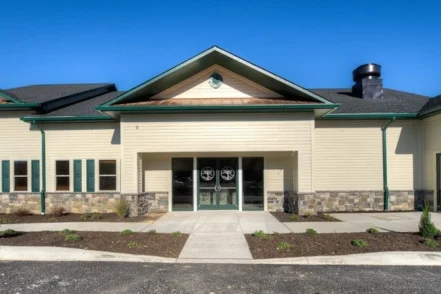 Pennsylvania
Bowling Green Brandywine Treatment Center
1375 Newark Road Kennett Square, Pennsylvania 19348
Treatment Programs
- Dual Diagnosis
- Drug Rehab
- Adult Program
- +3
-
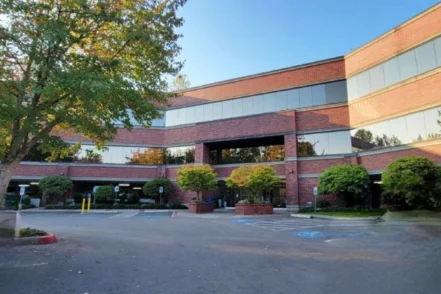 Washington
Meier Clinics – Mental Health
22232 17th Avenue Southeast, #302, Bothell, WA 98021
Treatment Programs
- Dual Diagnosis
- Young Adult Rehab
- Adult Program
- +3
-
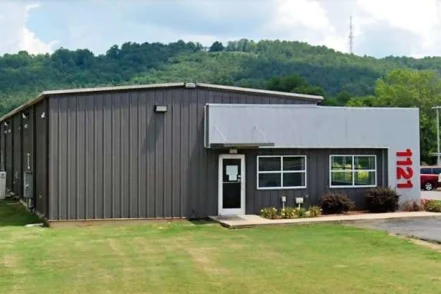 Alabama
Behavioral Health Group Gadsden Treatment Center
1121 Gardner Street Gadsden, Alabama 35901
Treatment Programs
- Drug Rehab
- Opioid Addiction
- Dual Diagnosis
- +2
-
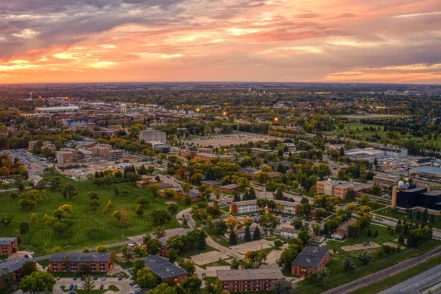 North Dakota
Ruth Meiers Adolescent Center
770 South 14th Street, Grand Forks, ND 58201
Treatment Programs
- Dual Diagnosis
- Young Adult Rehab
- LGBTQ Friendly Rehab
- +1